
TL;DR
- Rock-type Pokémon deal 4x super-effective damage against Moltres’s Fire/Flying typing
- Raid Hour events provide maximum capture opportunities between 6-7 PM local time
- Avoid Grass, Bug, Steel, and Fighting types due to vulnerability to Moltres’s attacks
- Team coordination and proper move selection significantly increase success rates
- Mega Evolutions and weather boosts can dramatically improve battle performance
The legendary Fire/Flying Pokémon returns to five-star raids for a limited engagement from October 2-9, presenting both challenge and opportunity for dedicated trainers seeking to expand their collection.
Pokémon Go continues its tradition of rotating legendary encounters, with Moltres making another appearance as part of seasonal events. As one of the original Kanto legendary birds alongside Articuno and Zapdos, this fiery avian has been a raid staple since its 2017 debut. Whether you’re completing your Pokédex or farming candy for power-ups, strategic preparation is essential for victory.
Moltres raids commence on October 2 at 1 PM Pacific Time (4 PM Eastern Time), concluding precisely one week later on October 9 at the same hour. While raid spawns occur randomly throughout the day, the game’s notification system alerts players to nearby gym activity, ensuring you won’t miss local opportunities.
For optimal capture chances, mark your calendar for Wednesday, October 7 during the weekly Raid Hour. From 6-7 PM local time, gyms predominantly feature Moltres raids, creating concentrated battle windows perfect for multiple attempts.
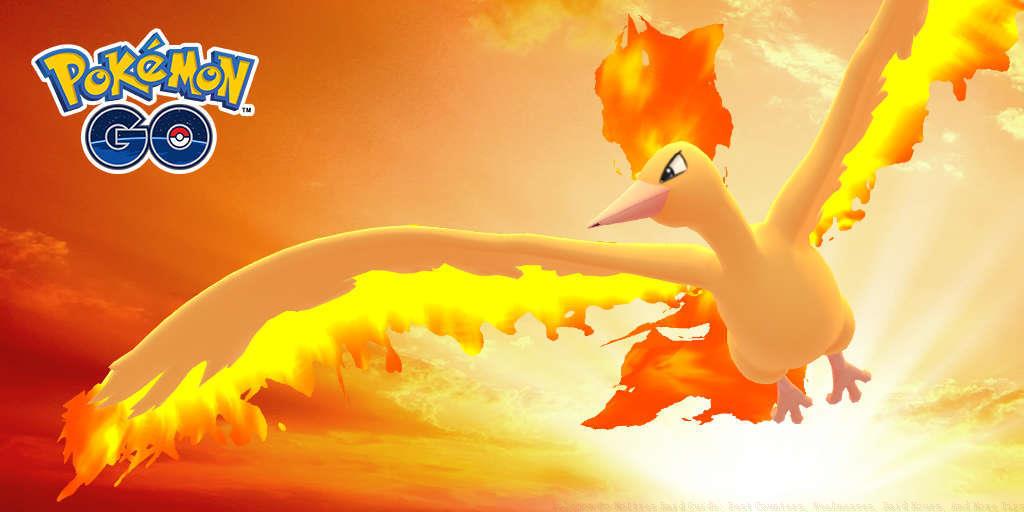
Moltres
Understanding type advantages is crucial when facing Moltres. Its dual Fire/Flying typing creates a critical vulnerability to Rock-type attacks, which deal quadruple super-effective damage due to both types sharing this weakness. Additionally, Rock Pokémon naturally resist Fire and Flying moves, providing exceptional survivability during extended engagements.
Rock-type specialists should form your primary assault team. Rhyperior with Smack Down and Rock Wrecker, Tyranitar utilizing Smack Down and Stone Edge, Rampardos with its massive attack stat, and Terrakion wielding Smack Down and Rock Slide deliver devastating performance. For maximum efficiency, prioritize Pokémon with fast Rock-type moves to exploit the damage multiplier.
Water-type alternatives provide reliable secondary options, dealing double super-effective damage while resisting Fire attacks. Mega Blastoise becomes exceptionally potent if you’ve accumulated sufficient mega energy, while Kyogre with Waterfall and Surf, Swampert using Water Gun and Hydro Cannon, and Palkia with Aqua Tail offer substantial damage output. Consider weather conditions—rain boosts Water-type moves while partly cloudy weather enhances Rock-type attacks.
Electric-type support completes your strategic options, targeting Moltres’s Flying half for double super-effective damage. While generally less durable, Zekrom with Charge Beam and Wild Charge, Raikou utilizing Thunder Shock and Wild Charge, and Electivire with Thunder Shock and Wild Charge can deliver significant burst damage before fainting.
Pokemon Go News & Announcements
Strategic type avoidance is equally important as selecting proper counters. Several Pokémon types suffer extreme disadvantages against Moltres’s movepool, potentially costing you the battle through premature fainting and lost damage output.
Grass and Bug Pokémon face double vulnerability to both Fire and Flying attacks, making them exceptionally fragile choices. Even powerful Grass types like Venusaur or Bug specialists like Scizor will struggle to survive more than a few attacks.
Steel-type Pokémon, while normally defensive powerhouses, absorb super-effective damage from Fire moves. Similarly, Fighting types take increased damage from Flying attacks, though dual-types like Terrakion (Rock/Fighting) can mitigate this weakness through their secondary typing.
Advanced trainers should consider move-set variations—Moltres may know Ancient Power, which could threaten your Rock-type counters. Always check your team’s individual moves and consider having backup options ready. Team coordination through apps like Discord can ensure proper type coverage and maximize your success rate.
Action Checklist
- Assemble Rock-type team with Smack Down fast moves and Rock-type charged moves
- Coordinate with local trainers via Discord or Facebook groups for Wednesday Raid Hour
- Check weather for Rock (partly cloudy) or Water (rain) boosts
- Avoid bringing Grass, Bug, Steel, or pure Fighting types
- Prepare backup teams with Water and Electric types for extended battles
No reproduction without permission:SeeYouSoon Game Club » Pokemon Go Moltres Raid Guide: Best Counters, Weaknesses, Raid Hours, And More Tips Master Moltres raids with optimal counters, timing strategies, and advanced battle techniques for guaranteed success