
A deep dive into Pokelawls’s response to LGBTQ+ representation in Rainbow Six Siege and why inclusivity matters in modern gaming
Pokelawls Weighs In: A Streamer’s Perspective on Rainbow Six’s LGBTQ+ Representation
A recent social media critique targeting Ubisoft’s inclusion of LGBTQ+ personas in Rainbow Six Siege has prompted a thoughtful rebuttal from prominent Twitch broadcaster Pokelawls, sparking a wider conversation about diversity in virtual spaces.
Content creator Pokelawls has challenged the vocal criticism directed at game studios for integrating LGBTQ+ characters into titles like Rainbow Six Siege.
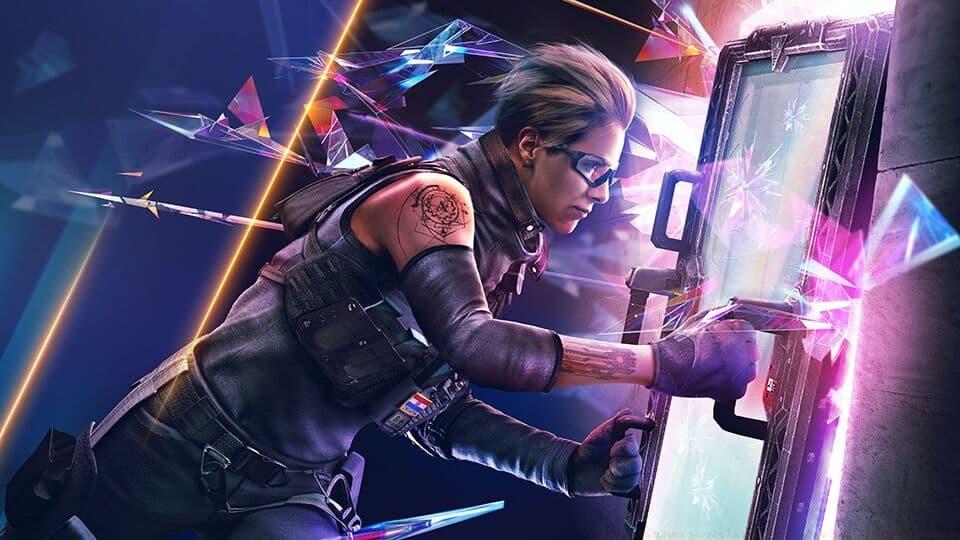
The gaming landscape is evolving, with major franchises such as Apex Legends and Rainbow Six Siege actively weaving LGBTQ+ narratives into their character lore. This shift, while celebrated by many, has encountered resistance from a segment of players. Ubisoft’s tactical shooter became a focal point last year following the debut of Operator Flores, whose openly gay identity was confirmed in-game. This revelation was met with mixed reactions. Shortly after, the introduction of Osa, a transgender character whose biography details her personal journey, amplified the debate. After encountering a TikTok video condemning these creative choices, Pokelawls directly addressed the critics during a live stream, advocating for a more empathetic and less reactionary viewpoint.
 Ubisoft
Osa’s in-game biography provides narrative depth by exploring her experiences with gender transition.
The TikTok clip in question, viewed live on stream, specifically criticized the developer’s decision to feature LGBTQ+ Operators. The video’s caption argued, “Now they give their virtual things pronouns and gender,” ending with the advice, “don’t make real s**t out of it.”
Pokelawls responded pointedly: “Bro, why you mad about it?” He elaborated, “Here’s the take, okay; yes, this happens a lot. Sometimes, you’ll be doing your thing and, boom, the thing that you do will change something to be more attractive to things that have nothing to do with you, and it’ll bother you because it’s like ‘what does that have to do with me?'” He then offered clear advice: “Here’s what you should do. Shut the f**k up, and just move on. Talking about it is cringe. It’s okay to be confused ‘why is this in a game, what does it have to do with me,’ that’s okay, that’s part of growing and learning. It’s part of the change that happens where you have to figure out ‘oh, they’re trying to make a group of people happy.’ It shouldn’t affect you at all.” His stance was unequivocal: “If they make a gay character or a character has a gay skin, who gives a f**k! You going to be mad now there’s a gay skin? You can’t play the game anymore? Who gives a f**k?” He concluded with personal reflection: “You know what? For me, I used to see it sometimes and be like ‘why are they doing that?’ but then you grow and realize, oh s**t, if I was gay I’d be happy. There’s nothing wrong with it, the game isn’t dumb. More people are happy, why are you mad? It’s not worth being mad.” As Ubisoft expands the Rainbow Six universe with titles like Extraction, the industry will be watching to see if this commitment to diverse representation continues. The franchise’s very name seems to invite this conversation.
Understanding the Backlash: Common Pitfalls and Why Representation Matters
The resistance to LGBTQ+ characters often stems from a few common misunderstandings. First, some players operate under the false assumption that a character’s background directly alters gameplay mechanics or competitive balance. In reality, a character’s sexual orientation or gender identity in a tactical shooter like Siege is purely narrative flavor; it doesn’t change hitboxes, weapon stats, or ability cooldowns. The core gameplay loop remains untouched.
Practical Tip for Players: If a character’s backstory bothers you, focus on their tactical kit. Analyze Osa’s transparent shield utility or Flores’s remote explosive device for strategic advantage, not her personal journey. Separating narrative from mechanics is a key skill for maintaining a positive gaming mindset.
Second, there’s a frequent mistake in conflating personal preference with objective game design criticism. Saying “I don’t connect with this story” is different from claiming “this story shouldn’t exist.” The former is a subjective experience; the latter seeks to limit content for others. For developers, adding diverse representation is an optimization strategy for player retention and community growth, making a wider audience feel welcome and invested in the game world.
The Bigger Picture: Inclusivity as an Industry Trend
Ubisoft’s approach with Rainbow Six Siege is not an outlier but part of a deliberate, industry-wide movement. Competitors like Respawn Entertainment with Apex Legends have successfully integrated LGBTQ+ legends such as Bloodhound (non-binary) and Valkyrie (bisexual) without compromising their game’s competitive integrity or massive popularity. This demonstrates that inclusivity and commercial success are not mutually exclusive.
For the advanced player or community member, understanding this trend is crucial. Games are global products serving audiences of all backgrounds. Representation allows players to see facets of their own identity reflected in the heroes they play, deepening emotional investment. This doesn’t detract from the game; it adds a rich layer of world-building that can coexist perfectly with tight, competitive gameplay. The future of live-service games depends on building broad, inclusive communities, not narrow ones.
No reproduction without permission:SeeYouSoon Game Club » Pokelawls slams people hating on Rainbow Six’s LGBTQ characters A deep dive into Pokelawls's response to LGBTQ+ representation in Rainbow Six Siege and why inclusivity matters in modern gaming