
TL;DR
- Multiplayer requires enabling before world creation and supports 4 players on consoles or 32 on Steam
- Invite codes regenerate each session and are accessible only in multiplayer-enabled worlds
- Steam offers dedicated servers while Xbox/PS5/Windows use peer-to-peer connections
- Cross-play is currently limited between platforms but may expand in future updates
- Advanced co-op features include shared progression, base permissions, and collaborative Pal breeding
Venturing into Palworld’s survival landscape becomes significantly more manageable when you team up with allies. The game’s cooperative mechanics transform solo struggles into shared adventures where you can distribute tasks and combine strengths.
Navigating Palworld’s multiplayer system requires understanding platform-specific limitations and setup procedures. While the game offers robust co-op functionality, the interface doesn’t always clearly explain the connection process. This comprehensive guide details how to establish multiplayer sessions across Steam, PlayStation 5, Xbox consoles, and Windows PC, including the distinct cooperative capabilities available on each platform.
When initiating multiplayer in Palworld, you face two primary approaches. You can establish your own persistent world and invite companions through a relatively simple hosting method. From the main world selection interface, opt for “create a new world” and then activate the “multiplayer” toggle. Since this setting defaults to disabled, you must manually enable it for every new co-op world you generate. After configuring these settings, proceed with standard game initialization.
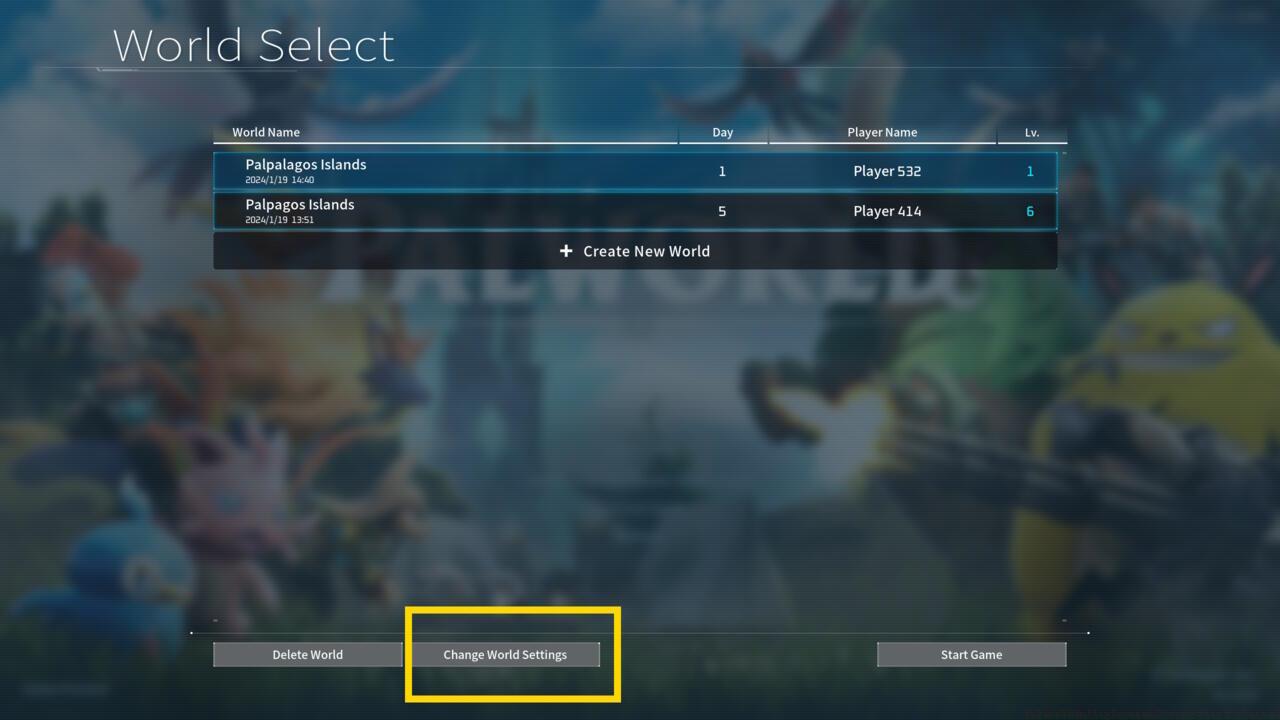
World configuration modifications are exclusively available from the pre-game menu interface.
Critical decision point: you must determine your playstyle preference before launching any game session. The parameters you establish during new world creation remain fixed throughout that particular gameplay instance.
If you accidentally begin a single-player session and wish to convert it to multiplayer, highlight your saved world and select “Change world settings” before loading the game. Alternatively, you can enter a friend’s invitation code directly from the title screen to join their active world.
Remember: world configuration adjustments are permanently locked once gameplay commences.
Console players on Xbox, PlayStation 5, and Windows PC editions are restricted to four-player co-op sessions maximum. However, Steam versions provide access to dedicated server functionality capable of supporting up to 32 simultaneous participants.
When utilizing invitation codes for world access, you’ll need external communication channels to receive codes from friends. Your personal invite code becomes available in the options menu, but only within worlds where multiplayer functionality has been activated. Locate the eye-shaped icon to display your current session code, then distribute this to your intended co-op partners.
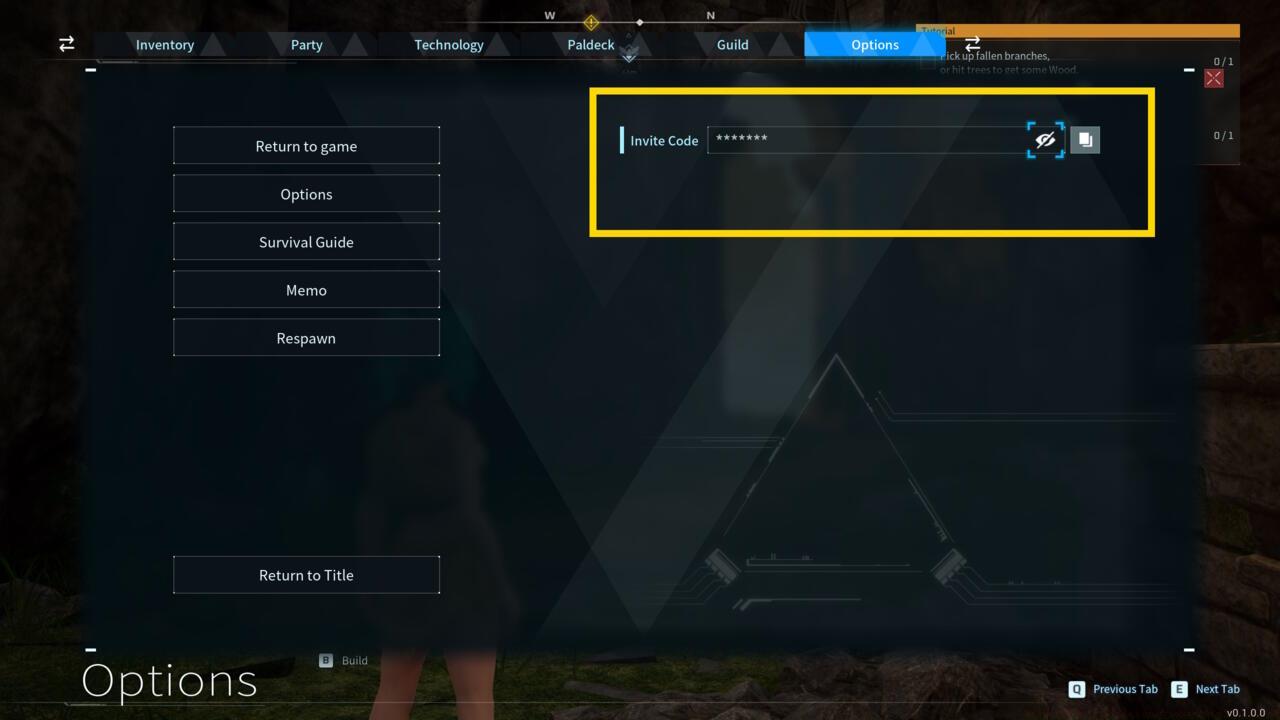
Invitation codes exclusively appear in multiplayer-enabled environments—verify your settings if codes remain invisible.
Important reminder: invitation codes display exclusively in multiplayer-configured worlds, so double-check your settings if codes fail to appear.
Each new gaming session generates a fresh invitation code, requiring you to repeat the distribution process every time you and your companions plan to play together.
Pro tip: Establish a dedicated communication channel like Discord to streamline code sharing, as codes change frequently. Many experienced players create private server communities with persistent invitation systems to avoid this repetitive process.
Beyond basic connection mechanics, Palworld’s cooperative mode offers sophisticated gameplay systems that reward coordinated team play. Understanding these advanced features can dramatically enhance your multiplayer experience.
Resource distribution becomes crucial in co-op sessions. Designate specialized roles among team members—one player focuses on mining, another on cultivation, while others handle construction or exploration. This division of labor accelerates progression and ensures comprehensive resource coverage.
Base construction takes on new dimensions in multiplayer. You can establish permission systems controlling building access, create shared storage facilities, and design collaborative defense strategies against hostile creatures. Coordinated base layouts that accommodate multiple players’ needs will significantly improve your collective survival chances.
Combat coordination transforms Palworld’s battle dynamics. Develop specialized Pal teams that complement each other’s strengths—some players might focus on offensive Pals while others specialize in support or defensive creatures. Team-based capture strategies allow you to surround and weaken powerful Pals more effectively than solo attempts.
Shared progression systems mean that certain achievements and world states synchronize across all participants. However, inventory and captured Pals typically remain individual possessions, creating interesting resource trading dynamics between players.
Currently, Palworld maintains platform-segregated multiplayer ecosystems. Steam players cannot join Xbox or PlayStation sessions directly, though this may evolve through future updates as the game continues development.
Steam’s dedicated server option represents the most robust multiplayer implementation, supporting larger communities and persistent worlds. These servers remain active continuously, allowing players to join and contribute to shared progression regardless of the host’s online status.
Console and Windows Store editions utilize peer-to-peer connectivity, meaning the host player must be online and active for others to access their world. This architecture explains the four-player limitation on these platforms.
Looking ahead, developers have indicated interest in expanding cross-platform capabilities. Monitoring official patch notes and community announcements will keep you informed about compatibility developments. For comprehensive gaming strategies beyond multiplayer, consult our Complete Guide for detailed tactical approaches.
Optimization consideration: Lower-population sessions (2-4 players) typically experience smoother performance and fewer synchronization issues than max-capacity servers.
Action Checklist
- Enable multiplayer toggle during world creation
- Retrieve invite code from options menu in multiplayer world
- Establish external communication channel for code sharing
- Configure role specialization and base permissions with team
- Monitor official updates for cross-platform compatibility expansions
No reproduction without permission:SeeYouSoon Game Club » Palworld Multiplayer And Cross-Play Explained Master Palworld multiplayer with platform-specific guides, invite codes, and advanced co-op strategies