
How Overwatch 2’s 5v5 shift creates a damage-centric meta where every role becomes playmakers
The 5v5 Paradigm Shift: From Team Shields to Individual Impact
The transition from Overwatch’s 6v6 to Overwatch 2’s 5v5 format represents more than a simple player reduction—it’s a fundamental redesign of the game’s tactical core. Early feedback from professional players who participated in the Overwatch League playtest indicates a seismic shift in priority: damage output is becoming the universal currency of success.
Insights from the OWL playtest reveal that Overwatch 2 inherently encourages a damage-focused approach for every player, regardless of their selected role.While removing one tank per team might appear to be a minor numerical change, the ripple effects completely alter strategic flow. Veteran caster Matt ‘Mr X’ Morello and Atlanta Reign tank specialist Blake ‘Gator’ Scott observed that the reduced team size creates tangible space for individual agency. This isn’t just about dealing more damage; it’s about each point of damage carrying significantly higher strategic weight.Previous discussions highlighted community concerns regarding support role adjustments, perceived similarities to fast-paced shooters like Call of Duty, and potential advantages for flex support players. However, the most exciting revelation for aggressive players is the validation that offensive contributions will define all roles in the sequel.Mr X summarized the new philosophy succinctly: “With one less player, it gives everybody a little bit more freedom to do more damage and be more offensive-minded.” This freedom stems from reduced visual clutter, fewer defensive cooldowns to burn through, and a clearer path to securing eliminations.
Gator elaborated on this feeling from a tank player’s perspective, noting a critical distinction: “It feels like the damage you do just kind of matters more… you’re extremely rewarded for every bit of damage you do.” This highlights a move away from damage as mere ‘ultimate charge farming’ toward damage as a direct win condition.
Role Identity Evolution: Tanks, Supports, and the New Playmaker Mentality
Gator’s experience as a top-tier Overwatch League professional reinforces that this isn’t a subjective feeling but a measurable design outcome. The tank role transforms from being the primary damage sponge to an offensive initiator whose cooldowns create kill opportunities.
 Blizzard Entertainment
Zenyatta exemplifies the hybrid damage-support playstyle that will thrive. This evolution is most pronounced for support heroes. The analysts specifically explored how increased damage importance redefines support priorities. They contrasted this against Overwatch 1, where Gator described poke damage as primarily a tool for “building up a support ult” and Mr X characterized a support’s view as often “staring at my two tanks and shooting them in the back.” Overwatch 2 dismantles this passive dynamic.
Gator believes Overwatch 2 creates “more opportunity for people to just make plays,” which he illustrated with a concrete example: Ana can now aggressively use her Biotic Grenade to anti-heal enemies instead of reserving it solely for healing burst on allies. This single ability choice encapsulates the role shift—from reactive sustain to proactive fight-winning.
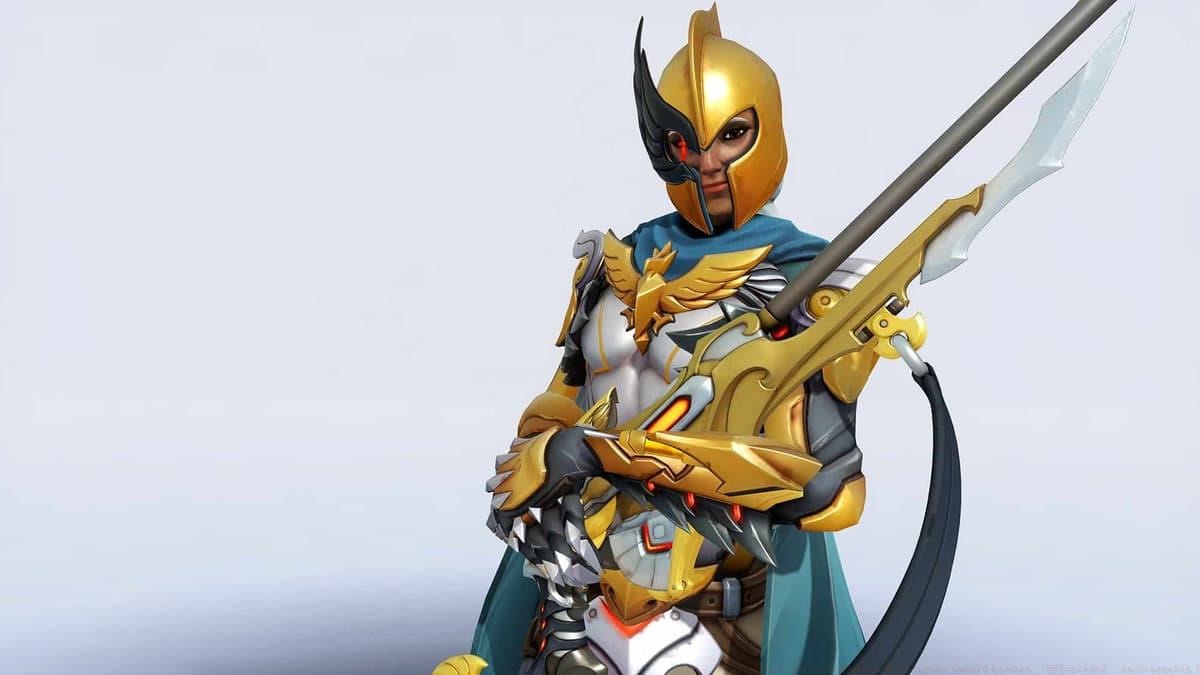 Blizzard Entertainment
Ana’s playmaking potential skyrockets with offensive grenade prioritization. The removal of one tank creates a domino effect. Less aggregate shield health means less time spent ‘poking’ shields down. Fewer allies to heal reduces pure healing throughput requirements. These changes collectively funnel value toward actions that directly eliminate opponents. Gator extended this logic to meta predictions, expressing excitement for the potential return of compositions built around lower healing output: “I would love to see some of those lower-healing comps come back, which I think is very likely.” This suggests heroes like Zenyatta and Lucio, who supplement healing with speed and damage, are poised for a resurgence.
Practical Tip for Supports: Start practicing your offensive aim and cooldown usage in the training range. Your value in OW2 will be measured by your fight-swinging sleeps, anti-nades, and discord-assisted eliminations as much as by your healing numbers.
Meta Projections and Practical Adaptation Guide
The collective insights point toward a faster, more volatile, and ultimately more individually rewarding Overwatch experience. The meta won’t just be ‘DPS-filled’—it will be ‘playmaker-focused,’ where every role has clear moments to single-handedly clutch a round.
Optimization Tips for Advanced Players:
1. Track Enemy Cooldowns Aggressively: With one less tank, key defensive abilities (like Sigma’s Kinetic Grasp or D.Va’s Defense Matrix) are on longer rotations. Timing your aggression around these windows is crucial.
2. Master Flank Angles: Reduced team size means map control is more fragmented. Learning unconventional angles on heroes like Ana, Baptiste, or even Zarya can create devastating picks.
3. Resource Allocation Shift: Invest ultimate abilities and powerful cooldowns into securing kills, not just sustaining your team. A support ultimate used to enable a push is often better than one used to prevent a wipe.
Overwatch 2 Season 20 update patch notes: New hero, aim assist buff & more
New Overwatch 2 feature could change competitive forever
Overwatch 2 players can’t believe these OP Damage heroes got another buff
The ‘Related’ articles above hint at the continuous evolution of the game. As new heroes are added and balance changes roll out, the core 5v5 DPS-centric philosophy will remain the foundation. Adapting your mindset from ‘what is my role’s job?’ to ‘how can I secure the next kill?’ is the key to thriving in Overwatch 2.
No reproduction without permission:SeeYouSoon Game Club » Overwatch pros explain why players should be more ‘DPS-minded’ in Overwatch 2 How Overwatch 2's 5v5 shift creates a damage-centric meta where every role becomes playmakers