
A French cosplayer’s stunning Ashe transformation reveals why this low-pick-rate hero dominates the cosplay scene
The Ashe Paradox: Low Play Rate, High Cosplay Appeal
French artist Claire Obscure delivers a masterful interpretation of Ashe, transforming the Deadlock Gang leader from digital pixels into tangible artistry that challenges conventional gaming metrics.
Overwatch presents a fascinating statistical contradiction with Ashe. While her in-game selection rate languishes at approximately 2% over recent months, her representation within cosplay communities flourishes disproportionately. This disparity stems from character design elements that translate exceptionally well to physical representation, despite gameplay mechanics that may limit her competitive viability. Her 51% win rate indicates solid performance potential, yet this doesn’t correlate with player adoption frequency.
The cosplay community’s embrace of Ashe demonstrates how visual design often outweighs gameplay popularity when selecting character subjects. Notable creators like Melamori, Kaito, and Lil-Batz have previously established high standards for Ashe interpretations, creating a rich tradition that new artists like Claire Obscure both honor and advance. This phenomenon reveals an important insight: cosplay selection criteria frequently prioritize distinctive aesthetics, narrative presence, and costuming potential over meta-game considerations or pick rate statistics.
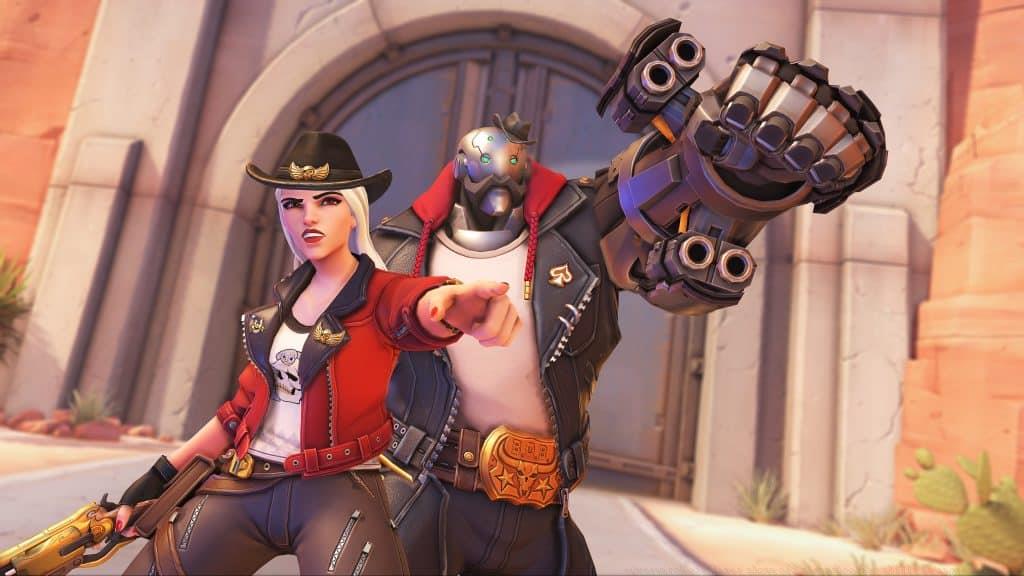 Blizzard Entertainment
Ashe’s distinctive visual design, featuring Western-inspired apparel and detailed weaponry, provides exceptional material for cosplay adaptation despite her niche gameplay status.
Claire Obscure enters this established tradition following her acclaimed World of Warcraft Alexstrasza interpretation, bringing sophisticated fabrication techniques and meticulous attention to texture and proportion. Her transition between fantasy genres showcases versatile craftsmanship capable of honoring Blizzard’s distinct artistic styles while injecting personal artistic signature.
Claire Obscure’s Masterclass in Character Translation
Claire’s Ashe interpretation demonstrates professional-grade costume translation, capturing nuanced details that distinguish exceptional cosplay from merely good attempts. Her execution balances screen accuracy with practical wearability—a challenge many cosplayers underestimate when recreating video game characters originally designed without physical constraints.
Key costume elements receive meticulous treatment: the rustic combat gear shows appropriate weathering and texture variation, the wide-brimmed hat maintains structural integrity while allowing visibility, and signature red lipstick matches Ashe’s distinctive in-game palette. However, the most technically impressive element remains The Viper rifle replica—a prop requiring understanding of both aesthetics and ergonomics since it must appear functional while remaining manageable for photography and convention navigation.
The weapon’s long-distance specialization in gameplay parallels its cosplay representation challenge: creating a prop that appears lethal and substantial without being unwieldy. Claire’s solution likely involves lightweight materials like EVA foam or 3D-printed components combined with strategic weighting—techniques developed through experience with complex projects like her Alexstrasza wings.
Platform documentation through Instagram reveals Claire’s process-oriented approach, showing work-in-progress stages that educate aspiring cosplayers. This transparency builds community while demonstrating that exceptional results emerge from systematic construction rather than magical talent—an important perspective for newcomers who might feel intimidated by finished displays.
Deconstructing the Perfect Cosplay: Key Elements Breakdown
Claire’s passion manifests through consistent quality across projects, with each cosplay demonstrating learned refinements from previous endeavors. This progressive improvement model represents professional artistic development—each project incorporates lessons that elevate subsequent work.
Her Ashe interpretation potentially represents a technical peak thus far, synthesizing fabric manipulation skills, prop fabrication expertise, and character embodiment developed through multiple Blizzard universe projects. This trajectory suggests even more ambitious future projects, possibly involving mechanical elements, lighting integration, or interactive components that push cosplay beyond static representation.
The community anticipation for Claire’s future work stems from this demonstrated growth pattern. Each project raises expectations while expanding technical possibilities, creating a virtuous cycle where audience engagement fuels artistic ambition. This dynamic differs fundamentally from casual cosplay, representing professional artistic practice within a popular culture context.
Three common mistakes undermine otherwise competent Overwatch cosplays: inaccurate material choices that don’t drape or reflect light properly, proportion errors that distort the character’s silhouette, and overlooked detailing like proper weathering or accessory integration. Claire’s work avoids these pitfalls through methodical reference analysis and material testing—processes she likely documents in her social media workflow posts.
Practical Guide: Creating Your Own Authentic Overwatch Cosplay
For cosplayers inspired by Claire Obscure’s work, achieving similar quality requires systematic approach rather than innate talent. Begin with exhaustive reference gathering—collect screenshots, model viewers, and official artwork from multiple angles to understand the character’s design language. Overwatch characters particularly benefit from Blizzard’s extensive promotional materials and high-resolution model resources.
Material selection proves critical: leather alternatives like pleather or vinyl must balance appearance with breathability, while weapon props require lightweight cores like PVC or foam that can be detailed without becoming cumbersome. Advanced techniques like heat-forming plastics for armor pieces or airbrushing for gradient effects separate competent cosplays from exceptional ones.
Documentation throughout the process serves dual purposes: it creates valuable content for community engagement while establishing a reference library for future projects. Claire’s Instagram presence demonstrates how process photos attract followers interested in craftsmanship, not just finished results. This documentation ethic also helps troubleshoot problems and replicate successful techniques.
Finally, understand that character embodiment extends beyond costume accuracy. Studying Ashe’s voice lines, animations, and narrative context informs posing and presentation, creating cohesive characterization that honors the source material while expressing individual interpretation—the hallmark of cosplay that resonates beyond surface aesthetics.
No reproduction without permission:SeeYouSoon Game Club » Overwatch cosplayer shows off sharpshooting skills as incredible Ashe A French cosplayer's stunning Ashe transformation reveals why this low-pick-rate hero dominates the cosplay scene