
An expert analysis of Overwatch’s McCree name change, examining its symbolic value versus real-world impact.
The Symbolic Gesture: Acknowledging the Good
Blizzard Entertainment’s decision to rename the Overwatch hero formerly known as Jesse McCree represents a necessary, if insufficient, response to the company’s ongoing crisis. The move directly addresses a painful symbol for those affected by the allegations detailed in the Activision Blizzard lawsuit.
Renaming McCree is a step toward healing, acknowledging that for victims, the name was a constant reminder of trauma rather than a beloved character.
The ongoing legal and public relations nightmare for Activision Blizzard has forced a moment of reckoning. Following accusations of document shredding and the fostering of a toxic “frat boy” culture, every corporate action is under a microscope. The August 26th announcement to change the gunslinger’s name was welcomed by many in the community who had campaigned for it. This action demonstrates that player feedback, when aligned with ethical imperatives, can lead to change. However, it raises a pivotal question about corporate responsibility: does altering digital content constitute meaningful reform, or is it merely reputation management? World of Warcraft’s removal of questionable NPCs set a precedent, but like that action, this feels more like symptom treatment than curing the disease.
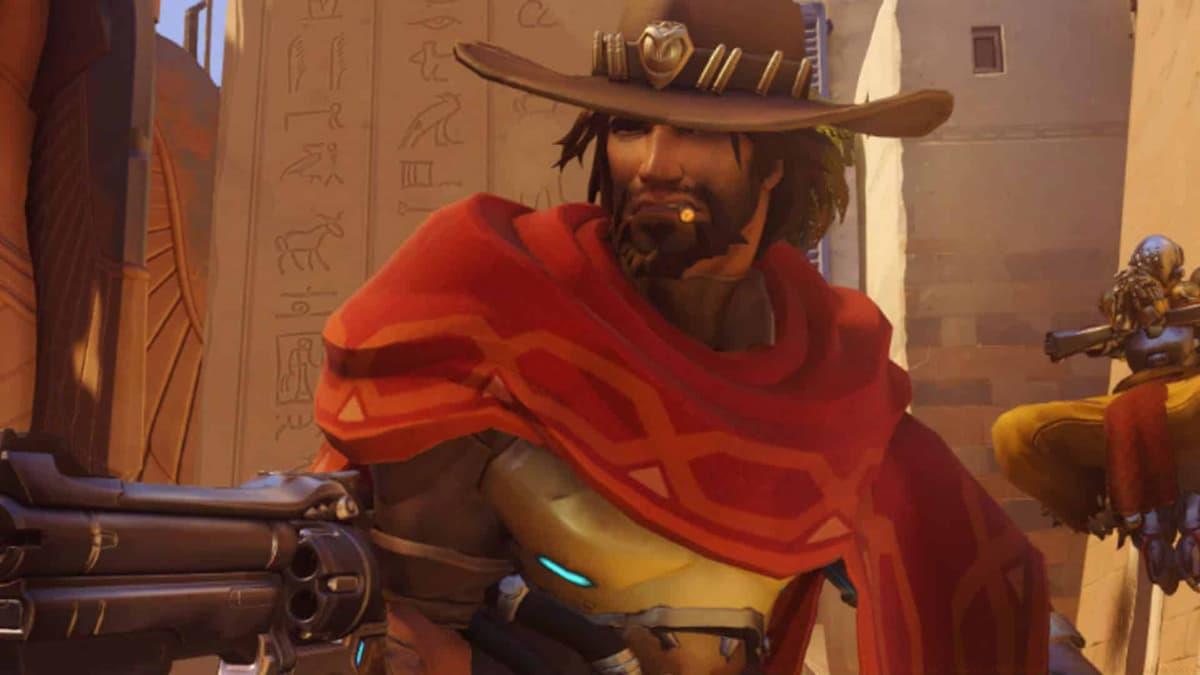 Blizzard
The iconic cowboy hero’s identity is being reshaped, but the shadow of his original namesake remains.
It’s crucial to affirm that removing a direct reference to a developer implicated in the scandal is the correct ethical choice. For the global player base, “McCree” was a virtual hero; for those who suffered, it was a brand associated with an alleged enabler of a harmful environment. Eliminating that trigger is a basic act of respect. The character’s mysterious background fortunately provides narrative flexibility. The new lore, promised later this year, can seamlessly retcon “McCree” as an alias, a codename, or a legacy title from his Deadlock Gang days, preserving gameplay continuity while severing the unwanted real-world link.
This episode delivers a stark, invaluable lesson for all game developers: exercise extreme caution when naming permanent assets after real people. The intent to honor contributors is understandable, but the risk is profound. Careers change, personal reputations evolve, and corporate scandals erupt. A safer practice is to use subtle easter eggs, background references, or derivative names rather than direct attribution for central characters or major lore figures. This protects both the artistic integrity of the game and the company from future reputational damage.
The Strategic Misstep: Questioning the Execution
While the decision itself has merit, Blizzard’s decision to loudly trumpet the name change may prove counterproductive. By making a public spectacle of the alteration, they risk ensuring the character is forever defined by this controversy. A more subtle integration into the upcoming lore arc, without fanfare, could have allowed the community to naturally adopt the new name, viewing it as a narrative evolution rather than a damage-control measure. The loud announcement frames it as a reactive, forced correction, which can make the new name feel less authentic.
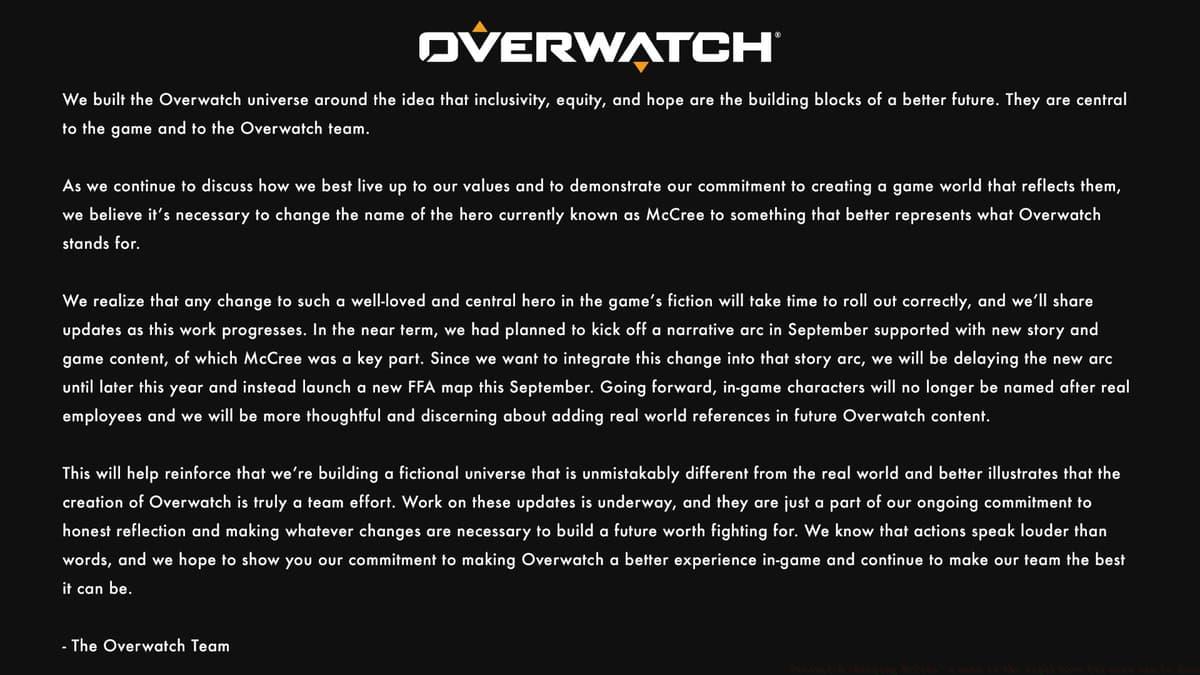 Twitter: @PlayOverwatch
Public announcements can frame a change as corporate PR, not authentic storytelling.
The character now carries the baggage of his original namesake more than ever. Every future mention of the hero’s new name will be accompanied, in the minds of many, by the memory of why it was changed. This creates a paradoxical situation where the attempt to erase a negative association instead reinforces it. The “ghost” of the real McCree will haunt this digital entity indefinitely because Blizzard chose to highlight the exorcism.
Common Mistake: Companies often believe conspicuous action demonstrates accountability. In reality, it can spotlight the problem and make the solution seem performative. A better strategy involves substantive, behind-the-scenes change coupled with a focus on future-positive communication.
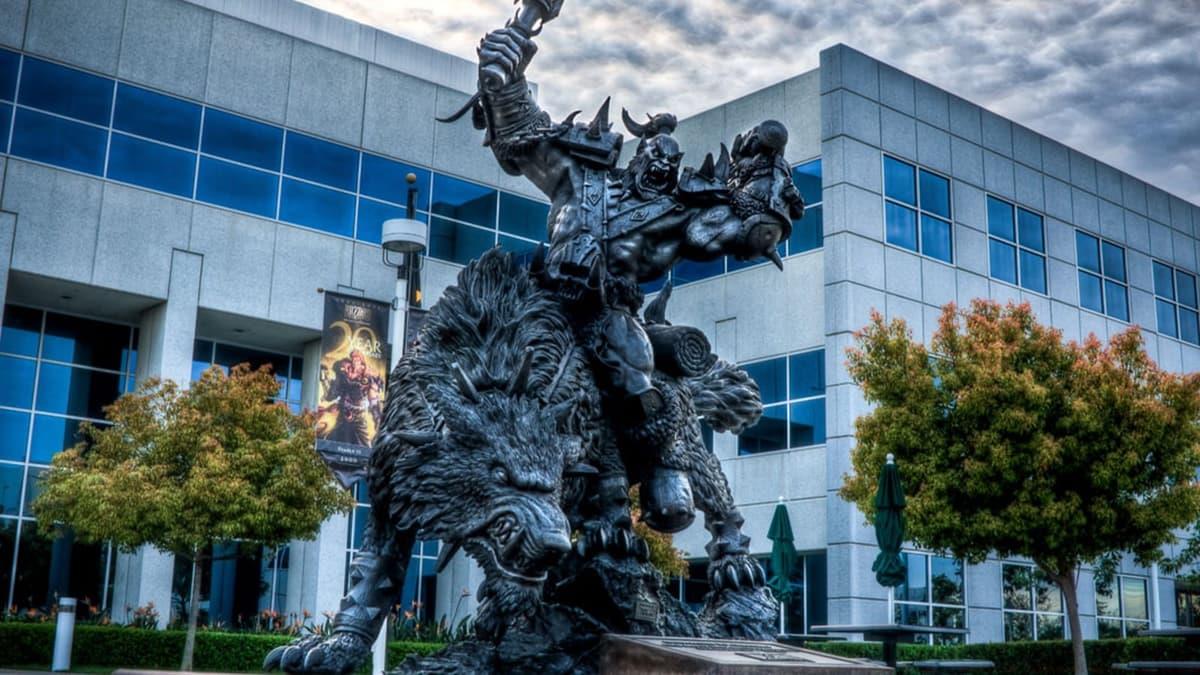 Blizzard
World of Warcraft faced similar scrutiny for reactive, in-game edits.
Consequently, while some players may appreciate the gesture, it falls short as a comprehensive response. Virtual modifications are meaningful only when they are part of a broader, tangible transformation in company culture and practice.
The Underlying Truth: Virtual Change vs. Real Accountability
Overwatch 2 is moving away from “oddball” heroes & players are devastated
Overwatch community feels like game finally earned its sequel status
Blizzard removes Overwatch 2 mode in first step toward “groundbreaking” changes
Ultimately, altering a nameplate in a video game has zero material impact on the serious allegations of harassment, discrimination, and poor working conditions at Activision Blizzard. These real-world issues persist regardless of what a pixelated cowboy is called. The danger lies in allowing such token changes to create an illusion of progress. If Blizzard and the public accept these cosmetic edits as sufficient, it relieves pressure for the systemic reforms that are desperately needed. The goal must be to remove problematic individuals from positions of power and implement concrete policies that ensure safety and equity, not just to scrub their digital footprints. The real-life “McCree” has departed the company, which is a start. Celebrating Blizzard for doing something is appropriate, but it is imperative to maintain scrutiny and demand continuous, verifiable improvement. The well-being of Activision Blizzard’s employees hinges on this distinction between symbolic action and substantive change.
Optimization Tip for Advocates: When evaluating corporate responses to scandals, distinguish between outputs (like name changes) and outcomes (like revised HR policies, leadership changes, and settlement results). Focus advocacy on demanding measurable outcomes.
No reproduction without permission:SeeYouSoon Game Club » Overwatch changing McCree’s name is the right move but more can be done An expert analysis of Overwatch's McCree name change, examining its symbolic value versus real-world impact.