
Exposing esports talent exploitation: Wage suppression and unethical practices in casting industry
Introduction
The glittering promise of esports commentary – global travel, adoring fans, and professional recognition – often obscures a darker reality of systemic exploitation. While professional players have made strides in organizing for better conditions, broadcast talent remains vulnerable to predatory practices that capitalize on their career aspirations.
This investigative report incorporates additional research material provided by industry insider Darion “Pr0nogo” Paone.
The esports casting dream sells itself: transform your passion into a career, join the elite ranks of household-name commentators, and get paid to talk about the games you love. This fantasy fuels countless hopefuls who endure poverty wages and abusive conditions, believing it’s the necessary price of entry. The reality? Many never progress beyond being exploited labor for tournaments that profit from their desperation.
The Snow Sweet Snow scandal
The $100,000 Snow Sweet Snow tournament became ground zero for exposing esports’ wage suppression when casters revealed earning €12.50 per single-map match – less than minimum wage in most participating countries. When talent compared notes about these poverty rates, GRID Esports’ Kieran Cullinan responded with illegal threats of “immediate dismissal” for wage discussion.
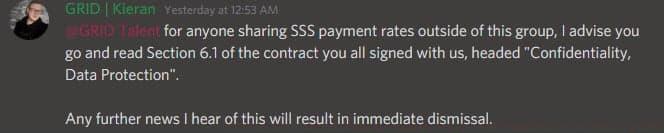 Keiran via Pr0nogo Twitter
Legal experts quickly noted these threats violated German labor laws governing the tournament’s contracts. “Workers absolutely retain the right to discuss remuneration under German law,” confirmed contract specialist Huthaifa Khan. The resulting backlash forced GRID to walk back Cullinan’s threats in an internal email, but the damage to their reputation was done.
Kieran Cullinan’s history of exploitation
Before joining GRID, Cullinan operated Vortex Entertainment, an unregistered “talent agency” that systematically skimmed €10-15 from each caster’s pay without disclosure. Our investigation uncovered multiple instances where:
- Casters were directed to invoice Cullinan personally rather than tournament organizers
- Promised payments were reduced after work completion with no recourse
- Ad revenue from Twitch broadcasts was pocketed while casters received flat $5 fees
 Vortex Entertainment Twitter
“He’d promise Liquipedia connections and high-profile work to vulnerable casters,” revealed one victim, “then pay us pennies while keeping sponsorship money and ad revenue.” ESEA eventually revoked Vortex’s partnership license due to repeated violations, but not before Cullinan had extracted value from dozens of aspiring commentators.
Industry-wide implications
The esports talent pipeline remains rife with opportunities for exploitation due to three key factors:
- The oversupply of aspiring casters willing to work for “exposure”
- Lack of standardized contracts or collective bargaining
- Tournament organizers prioritizing profits over talent development
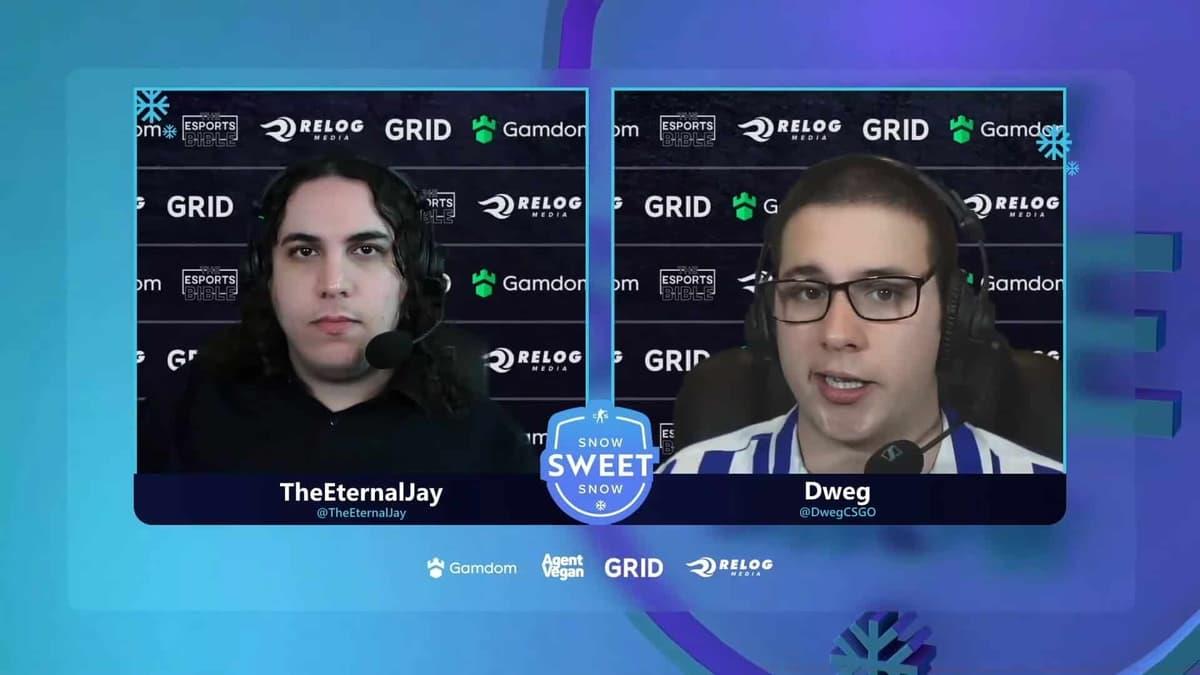 via Snow Sweet Snow
While Relog Media has promised revised payment structures, true reform requires systemic changes. Aspiring casters should:
- Research standard industry rates before accepting contracts
- Document all payment agreements in writing
- Consider forming talent collectives to negotiate better terms
- Report unethical practices to tournament sponsors and community watchdogs
The esports industry cannot mature while allowing such predatory practices to continue unchecked at the entry level.
No reproduction without permission:SeeYouSoon Game Club » Off The GRID: How one company manager exploited commentators to turn a profit Exposing esports talent exploitation: Wage suppression and unethical practices in casting industry