
Niantic responds to Pokemon Go community backlash over reverted exploration bonuses with task force initiative
The Pokemon NO Day Boycott and Community Backlash
Frustrated Pokemon Go enthusiasts organized a coordinated protest dubbed ‘Pokemon NO Day’ on August 5, compelling developer Niantic to finally address mounting player concerns. This grassroots movement represented the culmination of weeks of escalating tensions between the gaming community and the development team.
The #HearUsNiantic hashtag gained significant traction across social media platforms, with thousands of trainers voicing their dissatisfaction with recent gameplay adjustments.
Core grievances centered around the systematic removal of Exploration Bonuses initially implemented during global health restrictions. These quality-of-life enhancements not only provided safety measures but dramatically improved game accessibility for players with mobility challenges and disabilities. Niantic’s justification focused on returning to the original “real-world exploration” philosophy that defined the game’s early years, but this reasoning faced near-universal criticism from casual participants and influential community figures alike.
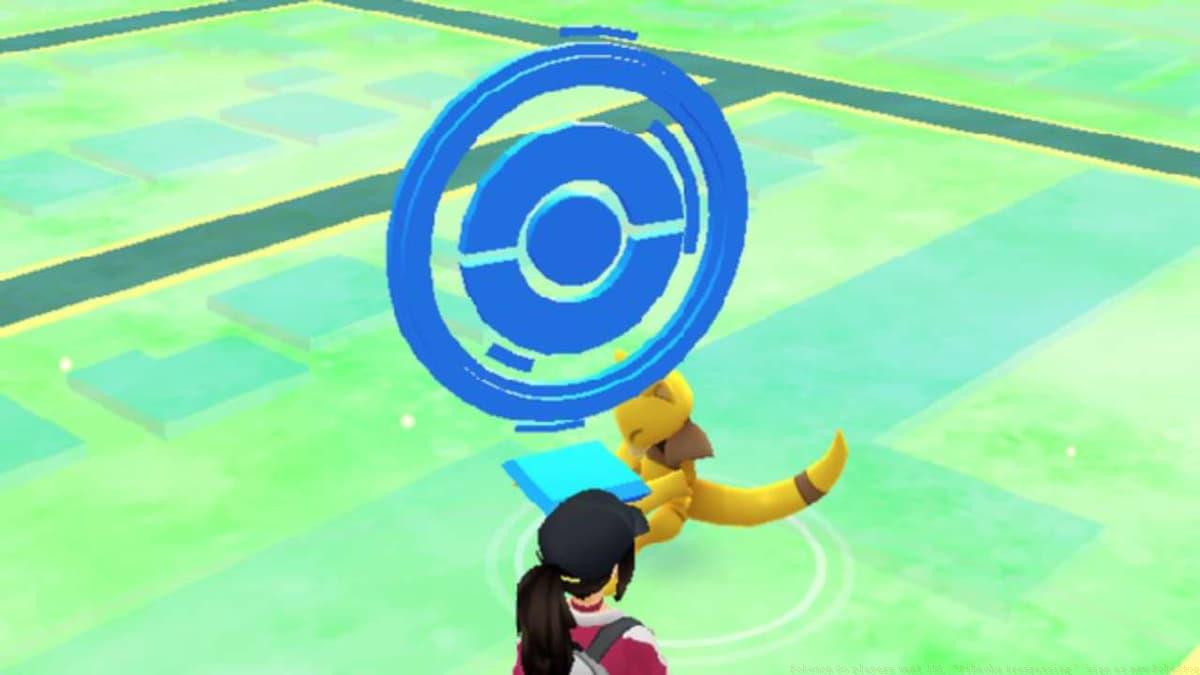 Niantic
The gradual reduction of PokeStop and gym interaction distances has emerged as the most contentious modification. Veteran players note that strategic gameplay now requires closer physical proximity to points of interest, creating practical challenges for rural participants and those with limited mobility. The community’s organized response demonstrates how player advocacy can influence developer policies in live-service gaming ecosystems.
Niantic’s Official Response and Task Force Initiative
Breaking their extended silence, Niantic published an official blog post titled ‘A response to our Pokemon Go community’ acknowledging player frustrations. The development team expressed being “humbled” by community feedback and committed to substantive consideration of the concerns raised.
Their statement specifically highlighted PokéStop and Gym interaction distance as the primary focus area, announcing concrete measures to address these issues. “We are assembling an internal cross-functional team to develop proposals designed to preserve our mission of inspiring people to explore the world together, while also addressing specific concerns that have been raised regarding interaction distance,” the company clarified.
This task force approach represents a significant shift in Niantic’s community engagement strategy, suggesting a more collaborative development process moving forward. The company also confirmed plans to consult with community leaders in the coming days, indicating recognition of the importance of player representation in decision-making processes. Industry analysts observe that such direct community involvement in game policy development remains relatively uncommon in mobile gaming, potentially setting a new precedent for player-developer relations.
Community Reaction and Future Expectations
Niantic committed to revealing the task force’s findings by the next seasonal update scheduled for September 1, 2021. This timeline provides a concrete framework for accountability while allowing sufficient development cycles for meaningful changes.
Community response to the announcement reflects cautious optimism among players. The popular Trainer Club account noted on Twitter: “I know this is not exactly the end result we wanted but we requested a response by EOD Monday and got it the same day. Baby steps in the marathon of making Pokemon Go great is our mission.”
Joe Merrick, founder of the authoritative Serebii resource, expressed measured expectations: “Let’s hope that this actually provides results and isn’t just a means to placate us for a month.” This sentiment captures the community’s wary hope that the task force will yield substantive policy changes rather than serving as a temporary appeasement measure. The ongoing situation demonstrates the delicate balance game developers must maintain between creative vision and community expectations in always-online gaming environments. Players now face a waiting period to determine whether their advocacy will translate into meaningful gameplay improvements.
Strategic Tips for Navigating Current Changes
While awaiting Niantic’s September update, players can adopt several strategies to optimize their gameplay experience under current conditions. Understanding the underlying mechanics helps maintain engagement during this transitional period.
Practical adaptation approaches include reorganizing play routes to cluster interactions at accessible locations and coordinating with local communities to identify player-friendly areas.
Many experienced trainers recommend focusing on research tasks and buddy system advancements during this period, as these elements remain unaffected by interaction distance modifications. Community day events continue to offer valuable opportunities for targeted gameplay without requiring extensive travel. Players should also monitor official channels for any interim adjustments Niantic might implement before the scheduled September review. Documenting specific accessibility challenges with detailed examples provides valuable feedback for the development team’s evaluation process. Engaging constructively with the community dialogue initiative increases the likelihood that player perspectives will inform final policy decisions.
No reproduction without permission:SeeYouSoon Game Club » Niantic responds to Pokemon Go boycott after #HearUsNiantic trends Niantic responds to Pokemon Go community backlash over reverted exploration bonuses with task force initiative