
NHL 22 delivers polished hockey action but struggles to justify its price for returning players with recycled features
Next-Gen Presentation Meets Recycled Content
EA SPORTS returns with NHL 22, marking the franchise’s debut on next-generation consoles, though the leap forward feels more like a cautious step than a bold stride into new territory.
While NHL 22 represents EA SPORTS’ inaugural next-gen hockey experience, veteran players may struggle to identify substantial improvements beyond the visual enhancements.
The NHL franchise consistently delivers some of the most satisfying sports gameplay available, largely because hockey’s fast-paced nature translates exceptionally well to interactive entertainment. The bone-crunching checks, precision shooting, and crisp passing have never felt more authentic. However, these gameplay refinements represent incremental evolution rather than revolutionary change from NHL 21. Even the newly implemented stick physics system, while adding another layer of realism, feels like a minor enhancement that fails to justify the full retail price – positioning this year’s hockey offering closer to the stagnant Madden series than the significantly improved FIFA titles.
 EA SPORTS
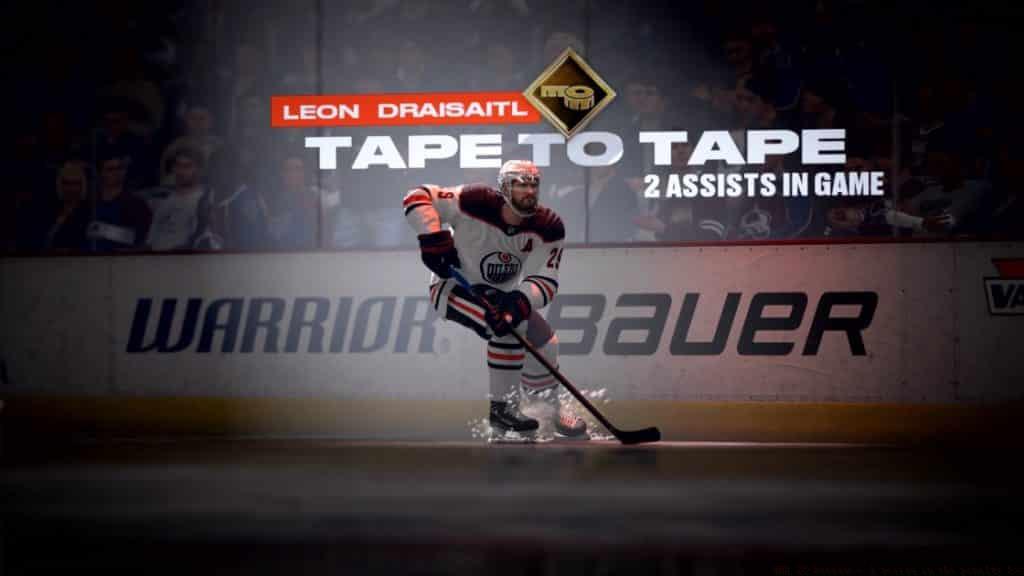
X-Factors represent a feature that feels overdue and surprisingly outdated for a next-gen debut.
As a long-time hockey gaming enthusiast with experience dating back to the 90s classics, I’ve witnessed the cyclical nature of EA’s development approach. Having played every installment since NHL 2003, I’ve observed features being introduced, removed, and later reintroduced under new marketing terminology with each annual release cycle.
This historical context makes several of NHL 22’s heavily promoted “new” additions somewhat perplexing, as they essentially resurrect mechanics that were previously stripped from the series years ago. The headline feature involves “Superstar X-Factor” abilities assigned to elite players, highlighting their specialized skills in specific areas like shooting, goaltending, passing, and other crucial gameplay elements. These X-Factor indicators appear beside selected athletes, notifying users of their unique capabilities.
 YouTube/John GodGames
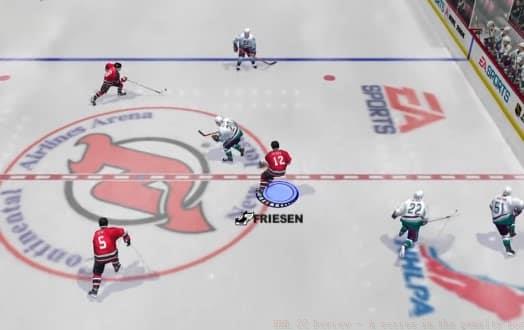
NHL 2004 implemented a similar player icon system more than fifteen years earlier. The irony is that this supposedly innovative mechanic would have been groundbreaking had it debuted around 2004. Interestingly, that’s precisely when it first appeared. NHL 2004 already featured player icons including hammers for physical enforcers, targets for sharpshooters, sticks for slap shot specialists, and skates for speedsters.
While the current implementation offers more depth than the 2004 version, EA’s marketing of X-Factors as revolutionary innovation seems disingenuous. The system doesn’t feel fresh, and had it remained in the series continuously since 2004, it likely would have evolved into a more sophisticated feature by now.
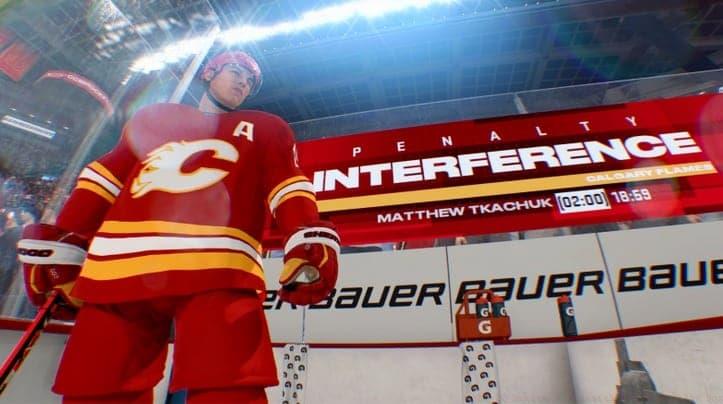
Another prominently advertised addition involves “augmented reality” broadcast elements that occupy screen space to display team comparisons, player matchups, and penalty explanations.
EA Sports FC 26 review – The best football game in years
EA’s Skate reboot mixes classic gameplay with a questionable live-service model
New Tony Hawk game ships with ‘disrespectful’ Guitar Hero reference & devs are removing it
These broadcast enhancements contribute to presentation authenticity but would benefit from more seamless integration with actual gameplay rather than functioning as elaborate cutscenes. Rather than displaying player comparisons in screens that obscure the face-off circle before transitioning to gameplay, incorporating these elements organically would create superior flow.
 EA SPORTS
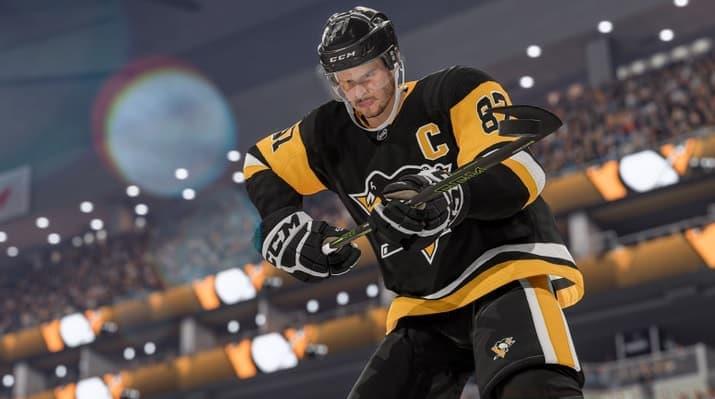
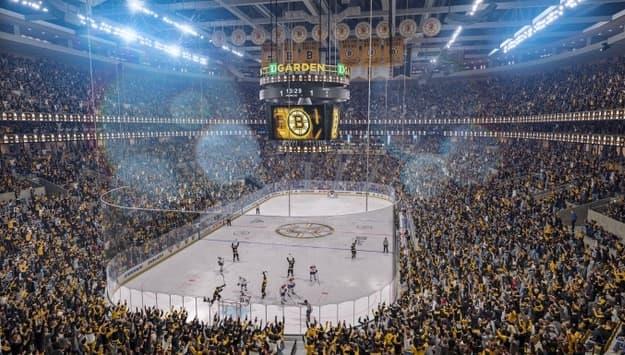
The augmented reality broadcast features don’t justify the premium price point. That being said, the overall presentation quality is impressive and appropriate for the series’ next-generation debut. The ice surfaces, lighting effects, and player models have reached new heights of realism. Unfortunately, many animations become repetitive with extended play, and crowd visuals appear dated and desperately need modernization.
Gameplay Excellence With Limited Innovation
All previous game modes from NHL 21 return unchanged, including the enjoyable but aging Be A Pro career mode that desperately requires comprehensive redesign.
Upon beginning my NHL 22 career journey, I experienced immediate familiarity. The introductory sequence featuring my rookie’s debut triggered distinct recognition: “This seems remarkably similar.” I actually quit the game and launched NHL 21 for comparison. Confirming my suspicion, the sequences were identical aside from graphical improvements. This doesn’t imply Be A Pro lacks enjoyment. The process of developing your skills and establishing yourself as hockey’s next superstar remains entertaining, but we’ve experienced this exact narrative structure previously.
 EA SPORTS
NHL 22 represents better value as a discounted upgrade rather than full-priced release. I’d appreciate EA integrating tournaments like the World Junior Hockey Championships not merely as additional modes but as innovative pathways for rookie development, similar to how NBA 2K consistently refreshes custom player origin narratives.
Fortunately, Franchise Mode makes its expected return and potentially reaches its peak form – a gameplay style so comprehensively detailed it could standalone as a complete product. For simulation enthusiasts who enjoy micromanaging scout networks, negotiating contracts, upgrading facilities, and potentially relocating franchises like the Arizona Coyotes to Quebec City, this mode delivers immense satisfaction.
 EA SPORTS
Newcomers will love NHL 22 while series veterans may want to skip this iteration. Another highly customizable aspect involves tailoring gameplay mechanics to personal preferences. As with previous entries, NHL 22 empowers players to adjust numerous settings including game speed, passing precision, injury probability, face-off complexity, and goaltender puck-covering frequency. Regarding on-ice action, NHL 22 showcases the franchise operating at peak performance. Player animations achieve unprecedented smoothness, enhancing realism and adding depth to an already outstanding hockey simulation. The tactile feedback of tape-to-tape passing feels authentic – sometimes excessively so through the PS5’s controller speaker, which I deactivated shortly after initial setup.
The cumulative experience creates an engaging hockey environment I’m pleased to revisit, though certainly not at full retail pricing. Had this been offered as a $20 upgrade for NHL 21 owners, it would represent excellent value. However, I cannot recommend this installment to previous year’s purchasers unless they’re die-hard hockey enthusiasts. For those completely new to EA’s NHL series, this title is essential playing and would otherwise merit a 9/10 rating. Personally, having experienced these features before – in some cases many years earlier – I’m ready for genuine innovation. Reviewed on PlayStation 5
Game Modes: Deja Vu All Over Again
The returning game modes in NHL 22 present a mixed bag of familiar enjoyment and missed opportunities for meaningful evolution in the next-generation transition.
Be A Pro mode delivers identical narrative structure and progression systems from NHL 21, making it difficult to justify for returning players seeking fresh experiences.
The career mode’s shortcoming isn’t enjoyment – developing a custom player from junior leagues to NHL stardom remains compelling. The issue lies in repetition; the dialogue trees, media interactions, and milestone celebrations mirror previous iterations too closely. After multiple franchise cycles, these elements become predictable rather than immersive. The mode would benefit tremendously from branching storylines, dynamic rivalries that evolve based on performance, and varied career starting points beyond the standard draft narrative.
Franchise Mode conversely stands as NHL 22’s most robust offering, providing staggering depth for management simulation enthusiasts. The scouting system has been refined with more intuitive talent evaluation, while financial management introduces meaningful consequences for contract decisions. The addition of expanded relocation options allows for creative franchise building, though the interface could benefit from modernization to reduce menu navigation fatigue during lengthy seasons.
World of CHEL and Hockey Ultimate Team return with expected seasonal content updates but lack significant structural changes. These modes continue to serve their respective audiences adequately but miss the opportunity to introduce groundbreaking features that would capitalize on the next-generation hardware capabilities. The absence of cross-platform progression remains a notable omission that limits accessibility for multi-platform gamers.
Value Proposition and Final Verdict
NHL 22’s ultimate assessment varies dramatically based on your previous experience with the franchise and expectations for next-generation innovation.
The $60 price point represents the largest barrier for NHL 21 owners, as the incremental improvements struggle to justify full premium pricing.
For complete newcomers to EA’s hockey series, NHL 22 delivers an exceptional package that represents the pinnacle of virtual hockey simulation. The polished gameplay, extensive mode selection, and impressive presentation create a compelling experience worthy of investment. These players will discover a deep, rewarding sports title that captures the speed and physicality of professional hockey with remarkable authenticity.
Returning players face a more difficult decision. The visual upgrades and subtle gameplay refinements provide noticeable improvements, but the recycling of game modes and re-introduction of previously removed features creates frustration. The ideal scenario would have been a tiered pricing structure offering discounted upgrades for previous owners, similar to approaches taken by other annual sports franchises.
Ultimately, NHL 22 succeeds as a hockey simulation but falters as an innovative next-generation showcase. The foundation remains rock-solid, but the reluctance to implement bold new features or substantially overhaul aging modes prevents this installment from achieving greatness. For dedicated hockey fans, it’s a qualified recommendation; for casual sports gamers coming from NHL 21, it’s difficult to justify at full price.
No reproduction without permission:SeeYouSoon Game Club » NHL 22 Review – A series in the penalty box NHL 22 delivers polished hockey action but struggles to justify its price for returning players with recycled features