
TL;DR
- Master the melee counter timing for extra resources and boss vulnerabilities
- Systematically hunt for energy tanks and missile upgrades to increase survivability
- Use environmental scanning and wall-jumping to access hidden areas
- Identify destructible walls and suspicious map patterns for progression
- Recognize danger zones through visual cues like orange-glowing doors
Metroid Dread brings the acclaimed 2D side-scrolling action to Nintendo Switch, presenting both a narrative conclusion to Samus’s saga and fresh gameplay challenges that demand strategic mastery.
The latest installment concludes the overarching storyline that began with the original Metroid, maintaining the series’ signature structure where Samus gradually reclaims her abilities after starting with limited capabilities. Whether you’re returning after years away or experiencing Metroid for the first time, these advanced techniques will transform your journey through the hostile planet ZDR.
While Dread presents substantial difficulty, its checkpoint system prevents excessive frustration. The formidable EMMI robots featured prominently in marketing materials can be deadly, but strategically placed save points minimize setbacks to mere minutes. Boss encounters require pattern recognition, but preparatory exploration significantly reduces their challenge level.
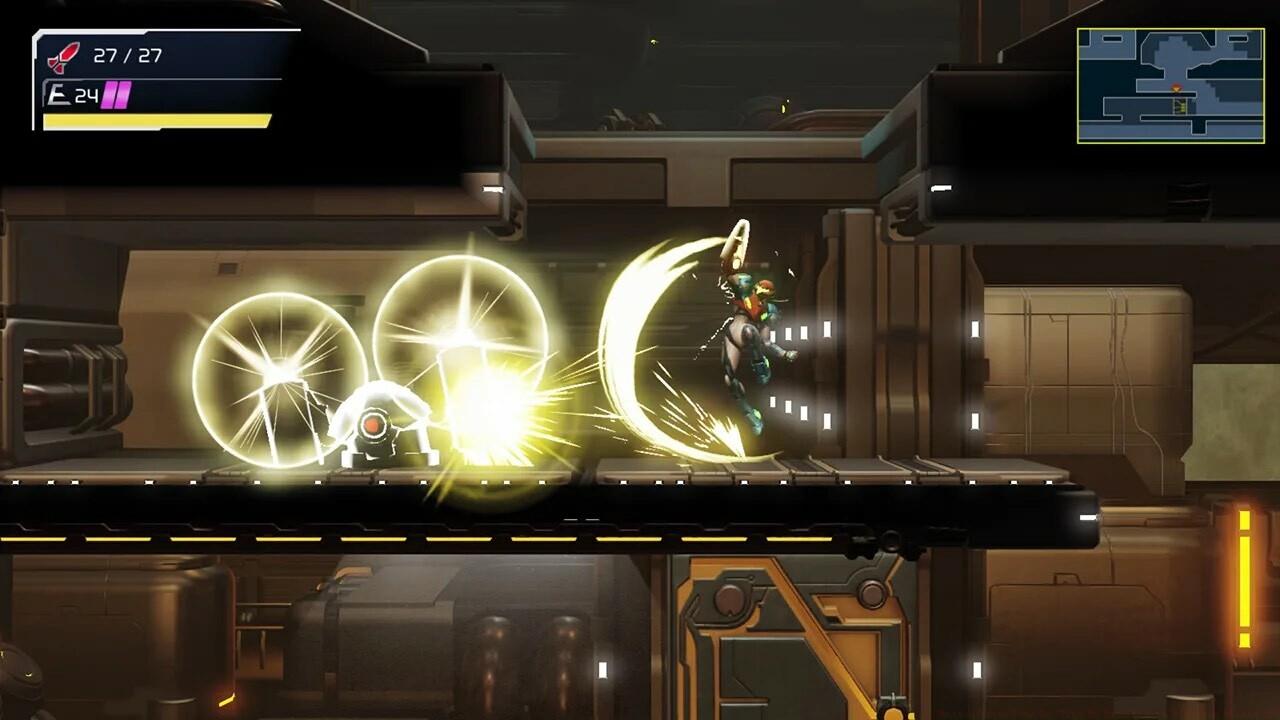
Perfecting counter timing delivers both tactical advantages and satisfying gameplay moments
Developer MercurySteam has refined the melee counter mechanic introduced in Samus Returns for the 3DS. Early gameplay tutorials explain the fundamentals: enemies display a distinctive flash indicating counter opportunities, successful execution stuns them, enabling instant elimination. Beyond its visceral satisfaction, this technique demands habitual integration into your combat rhythm.
The counter’s value extends beyond defensive utility and quick kills—it provides bonus energy (health restoration) and missile replenishment when defeating countered adversaries. These additional resources frequently determine survival outcomes, making consistent practice essential for developing the muscle memory needed to execute counters instinctively. There’s minimal downside to frequent usage (except when resources are maxed or avoiding confrontation), so dedicate time to mastering the timing until the X button response becomes automatic.
While indispensable during routine combat, countering becomes non-negotiable in specific boss fights. Not all attacks are counterable, but certain encounters require precise counters to create damage opportunities. Establishing this habit during normal engagements prepares you for the game’s most demanding battles.
Advanced Counter Strategy: Learn to distinguish between standard enemy flashes (white) and special counter opportunities (orange) that trigger cinematic takedowns against stronger foes.
Samus must gather numerous enhancements throughout her ZDR expedition to enable progression through increasingly hostile environments. While core ability acquisition follows a relatively linear path, supplementary upgrades offer strategic flexibility.
Alongside transformative abilities like the morph ball and beam improvements, you’ll discover missile capacity expansions and energy tank upgrades. Missile enhancements come in standard variants (+2 capacity) and premium versions (+10 capacity); health upgrades include complete energy tanks (full additional health bar) and partial collectibles requiring four fragments to form a new tank.
Additional energy reserves and expanded missile inventories dramatically improve Dread’s manageability, providing buffer room for tactical errors during intense encounters. Newcomers should understand that brute-force approaches to boss fights typically fail; you won’t accumulate sufficient health to withstand sustained assault, but strategic upgrades allow margin for execution mistakes without fatal consequences.
This strategic framework means that when struggling with particular boss encounters, you should invest time in locating supplementary energy tanks. If upgrades appear accessible during exploration, prioritize acquisition over immediate objective pursuit. However…
Upgrade Hunting Pro Tip: Maintain a mental checklist of inaccessible areas encountered during initial exploration, returning once you’ve obtained the necessary abilities—this systematic approach prevents unnecessary backtracking.
Resist the temptation to pursue every enhancement immediately. Many upgrades remain deliberately inaccessible until you’ve acquired specific abilities later in the game. Attempting premature collection wastes valuable time and resources better spent on progression.
Common Upgrade Mistakes: Many players overlook the importance of missile capacity early game, focusing exclusively on energy tanks. Balanced upgrades provide better combat flexibility against varied enemy types and boss mechanics.
When progression stalls, employ systematic environmental scanning. Suspicious walls often conceal hidden passages, and your standard beam weapon serves as an effective detection tool. Methodically test vertical and horizontal surfaces in confined spaces—the audio and visual feedback from striking destructible materials provides clear indicators.
Develop heightened map awareness by analyzing room geometries. Unusual shapes, isolated corners, or asymmetrical layouts frequently mask secret areas. The automap highlights unexplored sections, but discerning players learn to recognize subtle environmental patterns that indicate hidden content.
Many newcomers overlook Samus’s wall-jumping capability, a technique crucial for accessing elevated areas and sequence-breaking opportunities. The rhythm-based mechanic requires alternating directional inputs against vertical surfaces—mastering this skill opens alternative routes and early upgrades.
Exercise extreme caution around doors emitting orange illumination. These signal imminent EMMI encounters where evasion becomes paramount. Unlike standard combat, these robotic hunters cannot be defeated conventionally until late-game upgrades are obtained.
Environmental Scanning Technique: Combine audio cues (hollow sounds versus solid impacts) with visual feedback (subtle particle effects) to identify breakable surfaces without wasting excessive ammunition.
Advanced Navigation: Combine wall-jumping with slide maneuvers and morph ball techniques to reach seemingly inaccessible areas. This skillset becomes particularly valuable when pursuing 100% completion or speedrunning objectives.
For those looking to expand their tactical knowledge beyond exploration, our Class Guide offers complementary strategic frameworks applicable to various game genres.
Action Checklist
- Practice melee counters against early-game enemies until timing becomes instinctive
- Systematically scan suspicious walls using beam weapons, noting audio and visual feedback
- Prioritize energy tank fragments when accessible, aiming for at least 3 additional tanks by mid-game
- Master wall-jumping technique in safe areas before attempting critical path applications
- Identify and avoid orange-glowing EMMI zones until necessary for progression
No reproduction without permission:SeeYouSoon Game Club » Metroid Dread Guide: Tips To Know Before Visiting Planet ZDR Master Metroid Dread with expert combat strategies, upgrade hunting techniques, and advanced exploration methods