
How Firaxis abandoned XCOM mechanics for Midnight Suns’ card-based superhero strategy
The XCOM Foundation That Couldn’t Support Superheroes
Creative Director Jake Solomon from Firaxis Games recently disclosed that their initial vision for Marvel’s Midnight Suns heavily relied on XCOM’s established tactical systems, but these mechanics ultimately proved incompatible with the superhero experience they wanted to create.
During development, the team discovered that XCOM’s foundational gameplay systems created fundamental conflicts with the power fantasy essential to authentic superhero storytelling.
When Firaxis announced their Marvel collaboration at Gamescom 2021, industry observers naturally anticipated an XCOM reskin featuring superhero characters. The studio’s reputation for deep tactical combat suggested this would be a natural fit. However, early prototyping revealed critical flaws in this approach—superhero narratives demand certainty and power expression, while XCOM thrives on calculated risk and vulnerability.
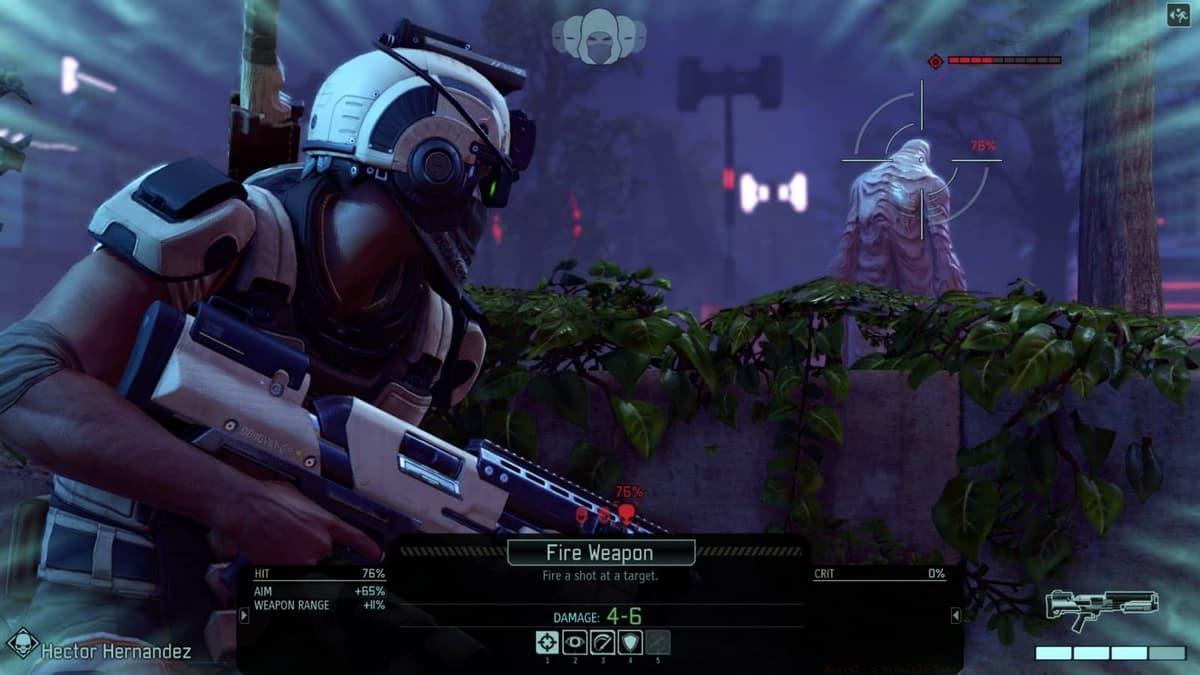 Early prototypes combined XCOM mechanics with Marvel characters. Solomon confessed in his GamesRadar interview that his initial excitement centered on simply “dropping Marvel heroes into our proven XCOM framework.” This straightforward substitution approach quickly unraveled during implementation.
The development team assembled thirteen supernatural heroes from Marvel’s Midnight Sons roster and immediately encountered design contradictions. Traditional XCOM elements like cover mechanics felt absurd for characters who routinely withstand building collapses. Ability failure systems undermined the reliable power expression superhero stories require. The very uncertainty that creates tension in XCOM—will my shot hit? Will this ability work?—contradicted the core fantasy of playing as nearly invincible superheroes.
The Captain Marvel Wake-Up Call
The conceptual breakdown became quantitatively undeniable during Captain Marvel’s combat design. XCOM-style damage calculations produced results that shattered character authenticity and player expectations.
“We envisioned Captain Marvel delivering earth-shattering punches, but when the damage numbers appeared—this sounds ridiculous but it’s how game design works—they showed minimal impact. Seeing ‘2’ pop up when she punches completely breaks the superhero fantasy,” Solomon explained.
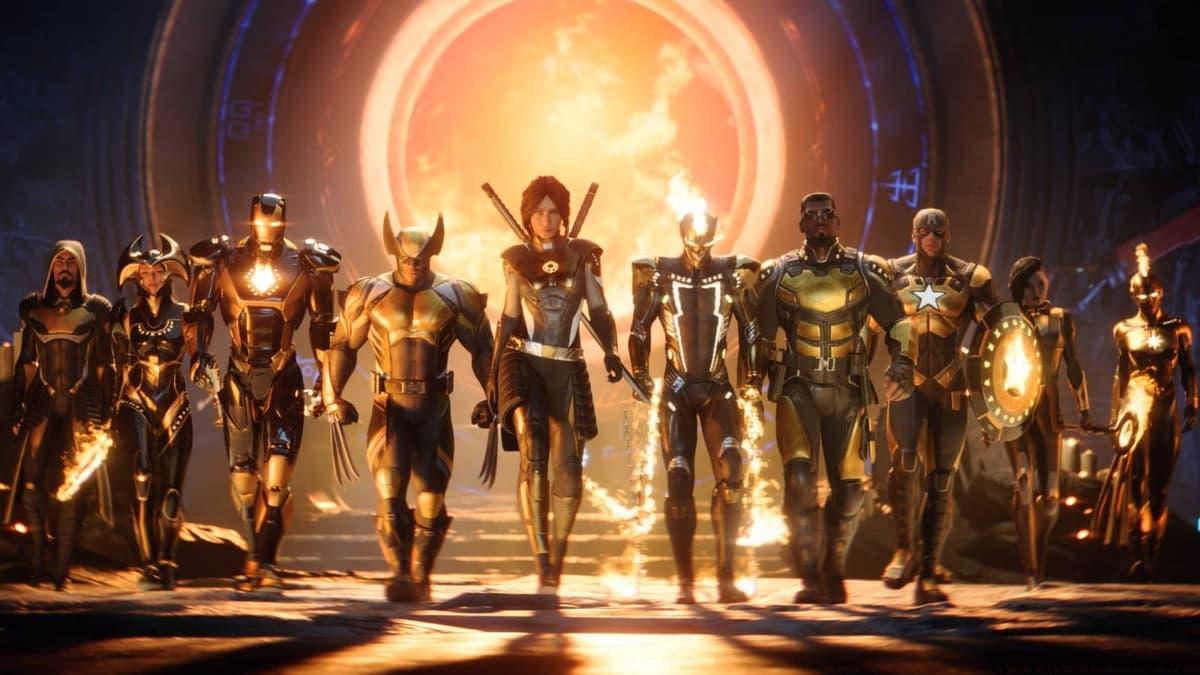 The disconnect between character power and game mechanics became apparent during combat design. This numerical dissonance highlighted deeper systemic issues. Cover-based positioning made little sense for characters who fly through space. Randomized ability failures contradicted the reliable heroism central to Marvel’s icons. The team realized they weren’t just adjusting numbers—they were fighting against XCOM’s DNA.
The Captain Marvel damage incident became a pivotal moment. It demonstrated that statistical balance and character authenticity existed in direct conflict within the XCOM framework. Superhero games thrive on spectacular set pieces and reliable power displays, while tactical games derive tension from vulnerability and calculated risks.
Card System Transformation
Faced with irreconcilable mechanical conflicts, Firaxis abandoned their XCOM foundation and pursued a card-based system inspired by deck-building games like Slay the Spire.
Solomon’s personal appreciation for Mega Crit’s Slay the Spire provided the conceptual breakthrough. Card systems offered predictable hero capabilities while introducing strategic depth through hand management and combo potential. This approach preserved the power fantasy—when you play Captain Marvel’s ultimate card, it delivers guaranteed catastrophic impact—while maintaining meaningful player decisions.
The card system better serves superhero storytelling by allowing spectacular abilities to feel both powerful and earned. Rather than worrying about cover or random failures, players focus on sequencing heroic moves and building devastating combinations. This creates a different kind of strategic depth—one centered on resource management and tactical sequencing rather than positional vulnerability.
After substantial delays for this fundamental redesign, Marvel’s Midnight Suns finally arrives on October 7. The finished product represents a courageous departure from Firaxis’ established formula—a testament to prioritizing authentic character experience over familiar mechanics.
No reproduction without permission:SeeYouSoon Game Club » Marvel’s Midnight Suns didn’t work with XCOM mechanics, says dev How Firaxis abandoned XCOM mechanics for Midnight Suns' card-based superhero strategy