
Discover how artist Casey’s Guts transformed gaming icons into Pokemon starters with evolutionary storytelling
The Fusion of Gaming Legends and Pokemon Mechanics
Digital artist Casey’s Guts has masterfully reimagined three iconic gaming characters—Mario, Sonic, and Link—as fully-realized Pokemon starter concepts complete with evolutionary lines. This creative fusion represents more than just visual redesigns; it’s a thoughtful integration of character narratives with Pokemon’s signature evolution mechanics.
Casey’s Guts transforms gaming icons into Pokemon starters with evolutionary forms that narratively connect to their original game mechanics and character development arcs.
Followers of Casey’s Guts on social media platforms recognize his distinctive artistic style that frequently bridges gaming culture with imaginative creature design. His portfolio showcases regular updates featuring creative interpretations of popular media characters. The latest project recontextualizes the traditional Pokemon starter concept—typically featuring elemental-themed creatures that evolve into more powerful forms—by applying this framework to Sega and Nintendo’s most recognizable heroes. Casey’s Guts didn’t merely create static character redesigns; he developed complete three-stage evolutionary lines that maintain narrative coherence with each character’s gaming origins. The online reception has been overwhelmingly positive, with the designs accumulating thousands of views and significant community engagement.
 Casey’s Guts
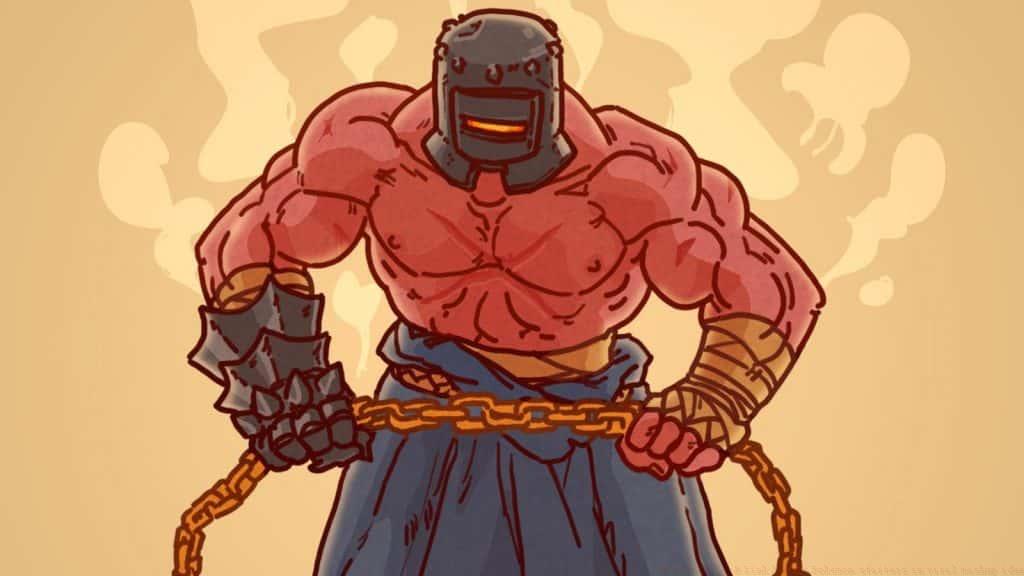
Casey’s Guts demonstrates remarkable versatility, creating fantasy characters that could seamlessly exist in the Dark Souls universe!
Casey’s Guts shared his creative process and inspiration behind these cross-franchise Pokemon designs in an exclusive discussion. He revealed, “I’ve spent considerable time designing fan-created Pokemon for personal enjoyment, including attempts to construct complete regional Pokedex entries. However, after discovering Truegreen7’s YouTube series dedicated to Pokemon artistry, I became inspired to conceptualize starter Pokemon based on major gaming industry icons.” The artist emphasized his primary objective: “My central ambition involved crafting evolutionary narratives for each starter that would reflect the gameplay systems and mechanical themes of their source franchises. Additionally, I intentionally designed these Pokemon to represent not the central characters themselves, but rather supporting characters or thematic elements from their respective universes.” https://twitter.com/caseysguts/status/1475253677484953603
Legend of Zelda: Grass-Type Evolution Through Time
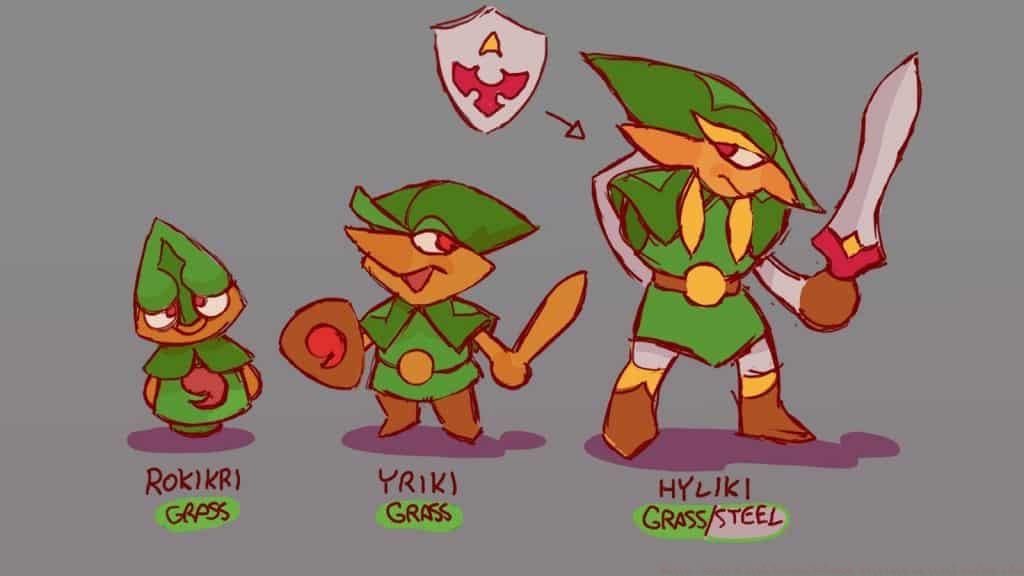
Casey’s Guts detailed his conceptual approach to the Link-inspired Pokemon starter, drawing creative inspiration from multiple Legend of Zelda titles. He explained, “I initiated the design process with the grass-type Link evolutionary line, which loosely mirrors Link’s character progression throughout Ocarina of Time. The initial evolutionary stage symbolizes the Kokiri forest children, establishing the character’s origins.”
“The intermediate evolution represents Young Link embarking on his heroic journey, complete with wooden shield and Kokiri sword symbolism. This stage captures the character’s transition from forest dweller to adventurer.” The artist continued, “The ultimate evolution embodies Adult Link following the seven-year temporal shift, now wielding the legendary Master Sword and Hylian Shield. The entire grass-type evolutionary line possesses the ability to morph their wooden limbs into various weapons and tools, representing the diverse item collection mechanics central to Zelda gameplay.”
 Casey’s Guts
These Pokemon designs creatively reinterpret Link from The Legend of Zelda franchise.
Design Insight: The grass typing perfectly complements Link’s forest origins and connection to nature throughout the Zelda series. This elemental alignment creates natural synergy with the character’s narrative while maintaining Pokemon type balance. The wooden limb transformation ability ingeniously represents Zelda’s item collection mechanics without compromising Pokemon move set logic.
Super Mario: Fire-Type Evolution with Tanuki Roots
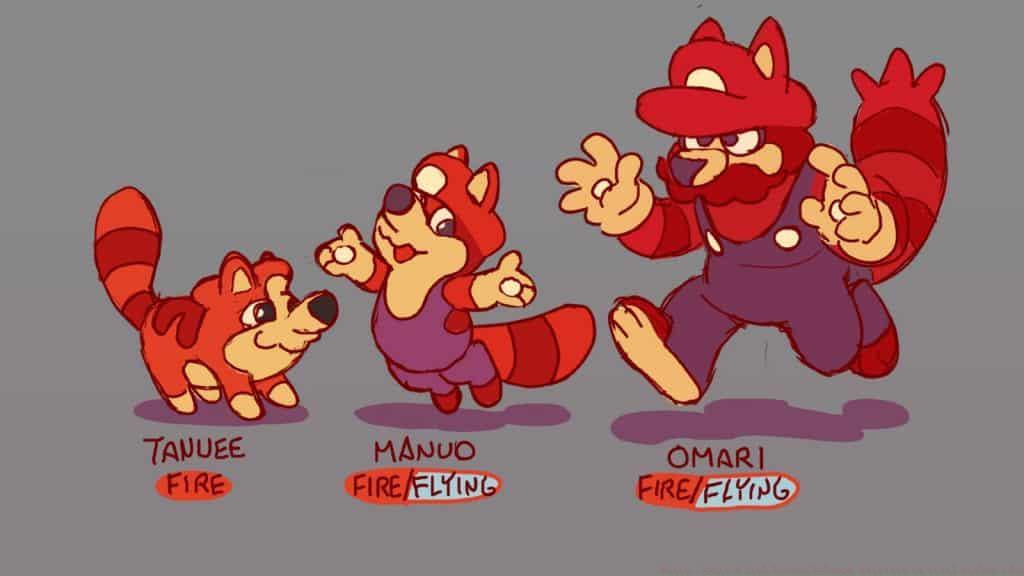
For Mario’s conceptualization, Casey’s Guts envisioned the character as a fire-type Pokemon starter, noting, “The fire-type Mario evolutionary line presented the most straightforward design challenge since Mario already possesses established fire-based abilities through the Fire Flower power-up and has animal transformation connections via the Tanuki suit.”
“The base evolution incorporates tanuki characteristics with distinct Mario-inspired attributes. The second evolutionary stage draws inspiration from Super Mario Bros. 3, specifically Mario’s acquisition of the Super Leaf power-up. The final evolution transitions toward contemporary Mario design aesthetics while maintaining the fire-type theme.”
The artist elaborated on specific design elements, “To incorporate iconic Mario features like his overall buttons and cap insignia, I looked to Pikachu’s electric cheek pouches for inspiration, creating white-hot fire pouches that could functionally serve as the hat label and overall buttons.”
 Casey’s Guts
These Pokemon reinterpretations pay homage to gaming’s most recognizable plumber character.
Creative Technique: The fire pouches represent a brilliant design solution that maintains character recognition while functioning within Pokemon mechanics. This approach demonstrates how to adapt static character details into dynamic, believable biological features within the Pokemon universe.
Sonic the Hedgehog: Water-Type Paradox Mastery
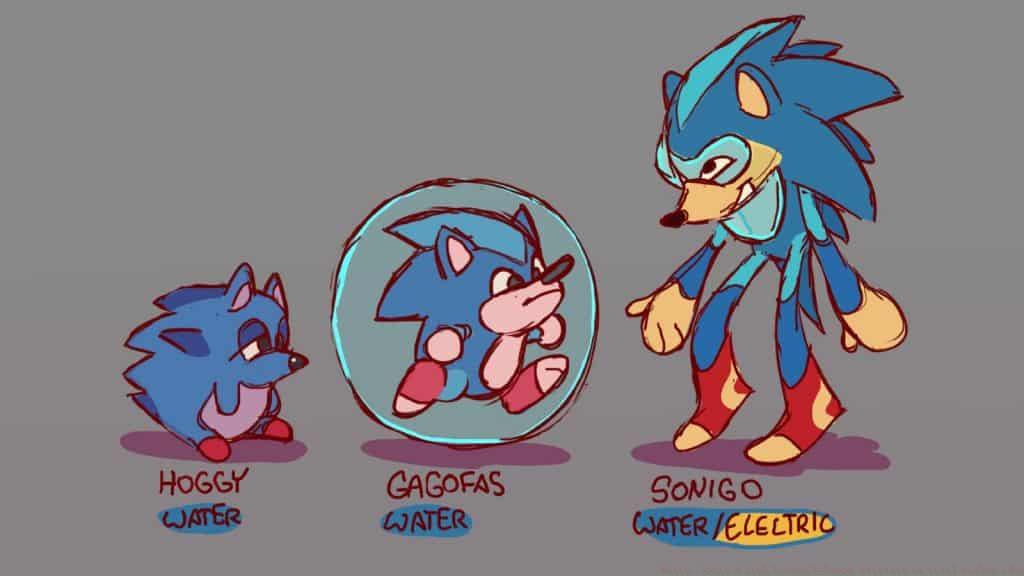
Casey’s Guts saved Sonic’s conceptualization for last, explaining the unique challenges of adapting the character as a water-type Pokemon starter given Sonic’s canonical inability to swim. The artist revealed, “Sonic posed the most complex design challenge since I initially struggled to reconcile his water-type classification with his established character trait of being unable to swim. Rather than disregarding this characteristic, I integrated it as a fundamental design element.”
“The initial evolutionary stage draws inspiration from the animal companions featured in the original Sonic game. Despite its water typing, this Pokemon cannot swim effectively, mirroring Sonic’s aquatic limitations.”
The second evolution incorporates design elements from classic Sonic aesthetics while integrating the bubble shield mechanic, which originally allowed players to navigate water levels more efficiently in the games. The final evolution adopts modern Sonic design cues and utilizes electrical energy to transform bubble shields into goggles that echo Sonic’s distinctive M-shaped forehead pattern. “I incorporated a chest bubble that enables underwater breathing while visually referencing Sonic’s characteristic belly spot. Utilizing the iconic bubble shield permitted me to incorporate water typing while remaining faithful to Sonic’s established aversion to aquatic environments.”
 Casey’s Guts
Sega’s iconic speedster serves as the foundation for these three aquatic Pokemon designs. The gaming community eagerly anticipates future creative projects from Casey’s Guts.
Innovation Highlight: This design demonstrates how to creatively resolve character contradictions by turning limitations into defining features. The bubble shield integration provides both mechanical functionality and visual storytelling, showcasing how to maintain character authenticity while introducing new elemental alignments.
Creative Strategies for Cross-Franchise Character Design
Casey’s Guts’ approach to character redesign offers valuable insights for aspiring digital artists and Pokemon enthusiasts. His methodology demonstrates several key principles for successful cross-franchise adaptation:
Narrative Integration: Each evolutionary stage tells a story that connects to the character’s original game journey. This transforms simple redesigns into meaningful character arcs that honor source material while creating compelling Pokemon narratives.
Mechanical Translation: Gameplay elements from the original franchises are reimagined as Pokemon abilities and characteristics. This creates authentic connections that fans will recognize and appreciate.
Character Authenticity: Rather than directly copying character designs, the artist captures essential traits and recontextualizes them within Pokemon biology and evolution logic.
Silksong devs confirm major content update and new games beyond the Hollow Knight universe
Top 15 best Pokemon games of all time
Pokemon Legends Z-A fans torn as Kalos starter Mega Evos tied to competitive play
Common Design Pitfalls to Avoid: Beginners often make the mistake of directly translating character designs without considering Pokemon mechanics, resulting in designs that feel out of place. Another common error is forcing elemental types that don’t align with character traits, rather than creatively addressing contradictions as demonstrated in the Sonic design.
No reproduction without permission:SeeYouSoon Game Club » Mario, Sonic & Link become Pokemon starters in viral mashup idea Discover how artist Casey's Guts transformed gaming icons into Pokemon starters with evolutionary storytelling