
Understanding gaming rage incidents and practical strategies to prevent violent escalations during gameplay
The Overwatch Tragedy: A Detailed Account
A 28-year-old social media content creator lost his life following a violent altercation that began during an Overwatch gaming session with his long-term partner. The incident serves as a sobering reminder of how quickly competitive gaming tensions can escalate beyond control.
Content creator Rory Teasley, known for his TikTok presence, allegedly fell victim to fatal violence from his partner Docquen Jovo Watkins after a disagreement during Overwatch gameplay reached dangerous levels.
According to official reports, the tragic events unfolded on January 6 when emergency services received a distress call from Watkins reporting a physical altercation at their Pontiac residence near Detroit. First responders discovered Teasley unconscious with critical injuries and immediately transported him to medical facilities, where he was later pronounced deceased.
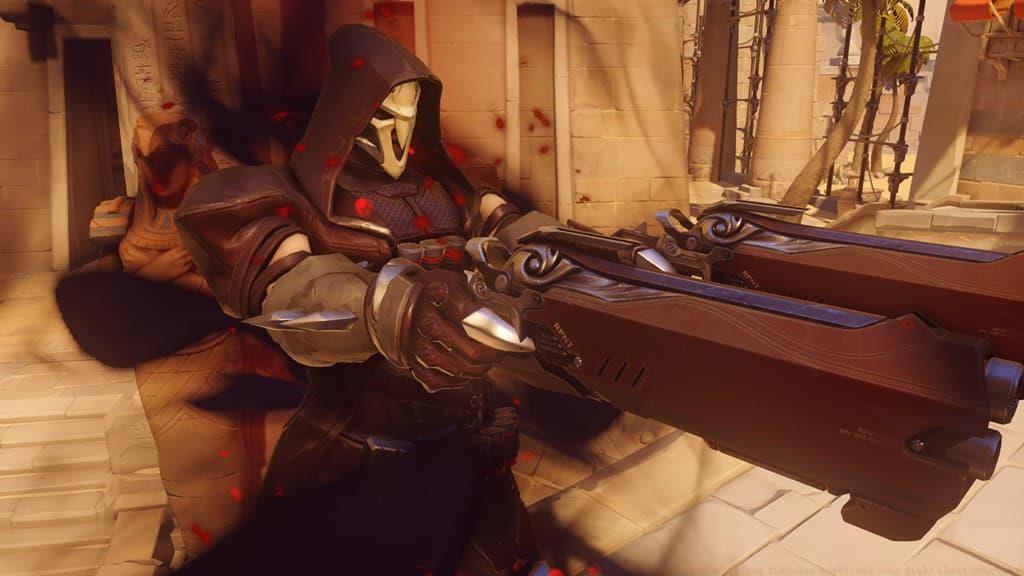 Blizzard
The confrontation reportedly originated from gameplay disputes involving Overwatch mechanics or performance. Law enforcement investigation revealed the argument began during cooperative Overwatch play, though specific details about the triggering disagreement remain undisclosed. The situation rapidly deteriorated from verbal disagreement to physical violence, culminating in alleged fatal choking.
Legal authorities have formally charged Watkins with homicide, scheduling a preliminary court hearing for January 18 to evaluate probable cause evidence. Oakland County Sheriff Michael Bouchard emphasized the concerning trend in his official statement: “We’re witnessing an alarming frequency of violent responses to minor disagreements nationwide. Physical aggression is never justified during disputes, and individuals choosing this path will face full legal consequences for their actions.”
Before this devastating incident, Teasley had cultivated substantial online recognition through his TikTok platform, where he shared entertaining dance routines and comedic content that attracted over 200,000 dedicated followers and accumulated millions of video views across his channel.
Understanding Gaming-Related Aggression
Competitive gaming environments can trigger intense emotional responses that, without proper management, may escalate into dangerous situations. Understanding the psychological mechanisms behind gaming-related aggression provides crucial insights for prevention.
Research indicates that team-based competitive games like Overwatch create high-stakes environments where performance pressure, team coordination demands, and investment in outcomes can generate significant stress. When combined with pre-existing relationship tensions or personal stressors, these gaming situations can become catalysts for extreme reactions.
Common triggers in competitive gaming include perceived teammate failures, disagreement over strategy decisions, performance criticism, and ranking anxiety. These elements can activate fight-or-flight responses, particularly in individuals with lower impulse control or unresolved anger management issues.
Warning signs of potential escalation include: increased vocal volume during gameplay, personal attacks replacing game-focused criticism, physical agitation (controller throwing, hitting surfaces), and post-game resentment that continues beyond the gaming session. Recognizing these indicators early allows for intervention before situations become dangerous.
Prevention Strategies and De-escalation Techniques
Implementing practical strategies can significantly reduce the risk of gaming disputes escalating into physical confrontations. Both immediate interventions and long-term approaches provide layers of protection.
Immediate De-escalation Techniques: When tensions rise during gameplay, establish a “cool-down protocol” that includes immediately pausing the game, physically separating from gaming equipment, and implementing a 10-minute mandatory break. Use breathing exercises (4-7-8 technique: inhale 4 seconds, hold 7 seconds, exhale 8 seconds) to reduce physiological arousal. Agree beforehand on safe words or phrases that signal when a player needs to disengage.
Communication Protocols: Establish ground rules for gameplay communication, including prohibited language (personal attacks, character assaults) and approved constructive feedback methods. Implement a “three-strike” system where after three tense moments, the gaming session automatically concludes for the day.
Long-term Prevention Strategies: Regular evaluation of gaming habits and emotional responses helps identify patterns. Consider implementing gaming journals to track emotional triggers and responses. Seek professional counseling if gaming regularly generates intense anger or relationship conflict. Establish non-gaming activities as relationship anchors to maintain perspective.
Broader Context: Gaming Industry Patterns
This tragic incident represents part of a concerning pattern within gaming communities, highlighting the need for broader awareness and preventive education.
This marks the second violent fatality connected to Blizzard Entertainment titles within a two-month timeframe. Previously in December, Washington state authorities investigated a shooting incident between gaming companions that originated from loot distribution disagreements during Diablo 2 gameplay sessions.
The frequency of these incidents underscores the intense emotional investment players develop in gaming ecosystems and the potential for disputes to transcend digital boundaries. Game developers increasingly recognize their role in fostering healthy community dynamics and implementing features that reduce gameplay tensions.
Industry responses include improved reporting systems for toxic behavior, educational resources about healthy gaming habits, and in-game mechanisms that encourage positive communication. Community-led initiatives focusing on conflict resolution and emotional management during gameplay continue to gain traction across gaming platforms.
No reproduction without permission:SeeYouSoon Game Club » Man arrested for allegedly killing TikToker boyfriend over fight about Overwatch Understanding gaming rage incidents and practical strategies to prevent violent escalations during gameplay