
TL;DR
- Dive near bubble columns and shadows to catch 40 different sea creatures
- Chase fast-moving shadows by swimming above them and diving strategically
- Trade scallops with Pascal for rare mermaid DIY recipes and clothing items
- Save pearls for crafting valuable mermaid furniture and decorative items
- Sell rare creatures like Spider Crabs and Giant Isopods for up to 15,000 bells
- Time your dives correctly as many creatures have specific active hours
Animal Crossing: New Horizons transformed island life with the summer update, introducing a completely new aquatic dimension through swimming and diving mechanics. This expansion added 40 unique sea creatures to discover, each with distinct behaviors, seasonal patterns, and economic value that can significantly enhance your gameplay experience.
Before embarking on underwater adventures, you’ll need proper equipment. The wet suit is essential gear available from Nook’s Cranny or the Nook Shopping catalog. Equip it like any other clothing item, then approach the ocean and press A to enter the water. Once swimming, press Y to dive beneath the surface where the real treasure hunting begins.
Sea creatures reveal themselves through two primary indicators: bubble columns rising to the water’s surface and dark shadows visible when submerged. These visual cues vary significantly between species, with bubble patterns and shadow sizes providing crucial clues about what lies below.
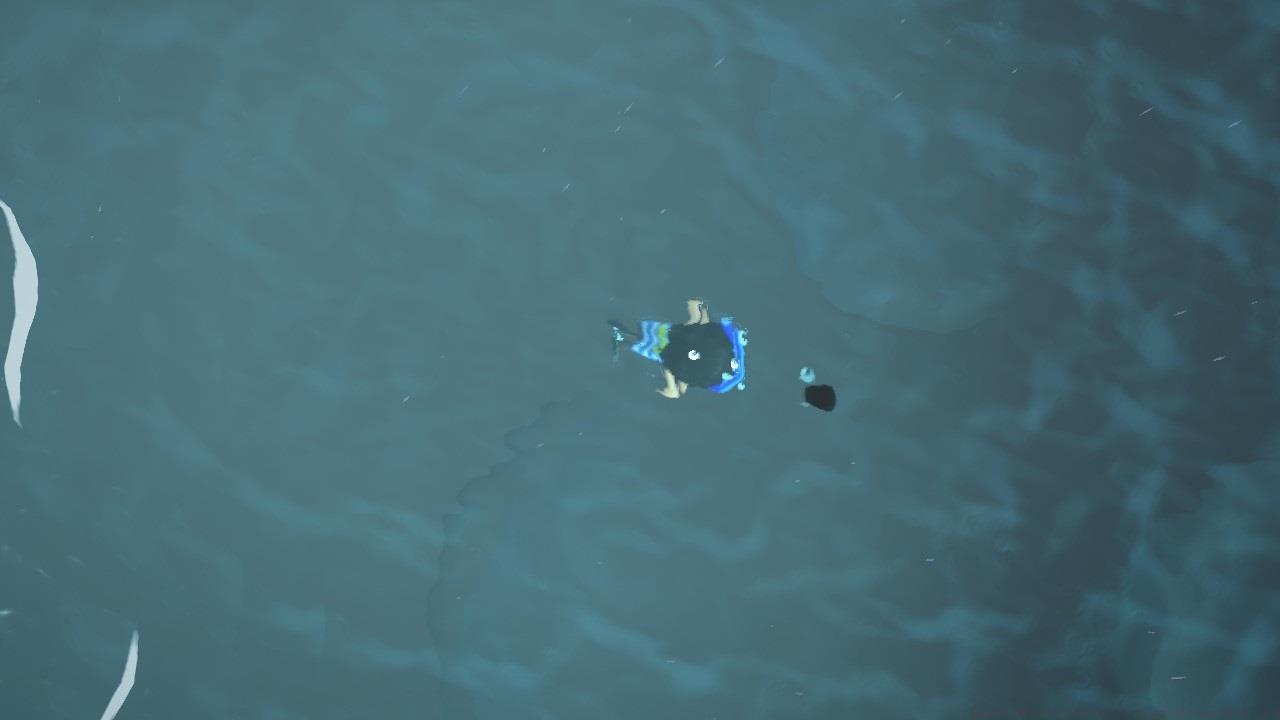
Diving and chasing a shadow under the water.
Underwater navigation requires mastering movement patterns. Some creatures remain stationary while others move rapidly, requiring pursuit strategies. Fast-moving shadows typically indicate higher-value specimens, making the chase worthwhile for dedicated collectors and bell-seekers alike.
Seasoned divers quickly learn that not all sea creatures behave the same way. Understanding these behavioral patterns dramatically increases your catch efficiency and reduces frustration during underwater expeditions.
Shadow chasing requires specific techniques for optimal results. When pursuing fast-moving creatures, position yourself slightly ahead of their path rather than directly above. This interception method allows you to dive at the optimal moment when the creature passes beneath you.
Common mistakes include diving too early, which scares creatures away, or swimming too aggressively near bubble columns. Experienced divers approach cautiously, observing movement patterns before committing to a dive.
Time management is crucial for efficient diving sessions. Many valuable creatures have specific active hours, with some only appearing during nighttime or early morning. Planning your dives around these schedules ensures you encounter the most profitable specimens.
Advanced players optimize their routes by swimming along the perimeter of their island first, then crisscrossing through central ocean areas. This systematic approach minimizes missed opportunities and maximizes bell-earning potential per session.
Beyond standard sea creatures, the ocean hides two particularly valuable resources: pearls and scallops. Pearls serve as rare crafting materials essential for creating mermaid-themed furniture, while scallops trigger special encounters with Pascal the philosophical sea otter.
Scallops appear randomly while diving and serve multiple purposes. When you catch your first scallop of the day, Pascal has a chance to appear, floating leisurely on his back. He’ll offer to trade your scallop for exclusive mermaid-themed DIY recipes or clothing items unavailable through any other method.
Pearls represent the underwater world’s ultimate treasure, appearing with approximately 1-2% frequency during dives. Unlike other sea creatures, pearls don’t appear as shadows but as small, glimmering items on the ocean floor. Their extreme rarity makes them worth hoarding for crafting the most valuable mermaid set items.
Optimization tip: Always carry a spare scallop in your inventory after trading with Pascal, as this increases the likelihood of subsequent encounters throughout the day.
Don’t forget museum donations! While Pascal trades are tempting, remember to donate at least one scallop to Blathers for completion of your aquatic exhibits. The museum’s sea creature wing becomes particularly impressive when fully stocked with these rare finds.
This comprehensive table details all 40 sea creatures available in Animal Crossing: New Horizons, including their seasonal availability across hemispheres, active time windows, and market values. Use this reference to plan targeted diving sessions for maximum efficiency and profit.
| Sea Creature | Months (N) | Months (S) | Time | Price |
|---|---|---|---|---|
| Abalone | June – Jan | Dec – July | 4 PM – 9 AM | 2,000 |
| Acorn barnacle | All year | All year | All day | 600 |
| Chambered nautilus | Mar – June Sept – Nov |
Mar – May Sept – Dec |
4 PM – 9 AM | 1,440 |
| Dungeness crab | Nov – May | May – Nov | All day | 1,900 |
| Firefly squid | Mar – June | Sept – Dec | 9 PM – 4 AM | 1,400 |
| Flatworm | Aug – Sept | Feb – Mar | 4 PM – 9 AM | 700 |
| Gazami crab | June – Nov | Dec – May | All day | 2,200 |
| Giant isopod | July – Oct | Jan – Apr | 9 AM – 4 PM 9 PM – 4 AM |
12,000 |
| Gigas giant clam | May – Sept | Nov – Mar | All day | 15,000 |
| Horseshoe crab | July – Sept | Jan – Mar | 9 PM – 4 AM | 2,500 |
| Lobster | Apr – June Dec – Jan |
Jun – July Oct – Dec |
All day | 4,500 |
| Mantis shrimp | All year | All year | 4 PM – 9 AM | 2,500 |
| Moon jellyfish | July – Sept | Jan – Mar | All day | 600 |
| Mussel | June – Dec | Dec – June | All day | 1,500 |
| Octopus | All year | All year | All day | 1,200 |
| Oyster | Sept – Feb | Mar – Aug | All day | 2,000 |
| Pearl oyster | All year | All year | All day | 2,800 |
| Red king crab | Nov – Mar | May – Sept | All day | 8,000 |
| Scallop | All year | All year | All day | 1,200 |
| Sea anemone | All year | All year | All day | 500 |
| Sea cucumber | Nov – Apr | May – Oct | All day | 500 |
| Sea grapes | June – Sept | Dec – Mar | All day | 900 |
| Sea pig | Nov – Feb | May – Aug | 4 PM – 9 AM | 8,000 |
| Sea pineapple | Apr – Aug | Oct – Feb | All day | 1,500 |
| Sea slug | All year | All year | All day | 600 |
| Sea star | All year | All year | All day | 500 |
| Sea urchin | May – Sept | Nov – Mar | All day | 1,700 |
| Seaweed | Oct – July | Apr – Jan | All day | 600 |
| Slate pencil urchin | May – Sept | Nov – Mar | 4 PM – 9 AM | 2,000 |
| Snow crab | Apr – Nov | May – Oct | All day | 6,000 |
| Spider crab | Mar – Apr | Sept – Oct | All day | 12,000 |
| Spiny lobster | Oct – Dec | Apr – Jun | 9 PM – 4 AM | 5,000 |
| Spotted garden eel | May – Oct | Nov – Apr | 4 AM – 9 PM | 1,100 |
| Sweet shrimp | Sept – Feb | Mar – Aug | 4 PM – 9 AM | 1,400 |
| Tiger prawn | June – Sept | Dec – Mar | 4 PM – 9 AM | 3,000 |
| Turban shell | Mar – May Sept – Dec |
Mar – June Sept – Nov |
All day | 800 |
| Umbrella octopus | Mar – May Sept – Nov |
Mar – May Sept – Nov |
All day | 6,000 |
| Vampire squid | May – Aug | Nov – Feb | 4 PM – 9 AM | 10,000 |
| Venus flower basket | Oct – Feb | Apr – Aug | All day | 5,000 |
| Whelk | All year | All year | All day | 1,000 |
Unlike fish and bugs that have dedicated premium buyers (C.J. and Flick respectively), sea creatures lack a specialized NPC offering increased prices. However, high-value specimens like the Spider Crab (12,000 bells) and Gigas Giant Clam (15,000 bells) provide substantial income opportunities. For comprehensive gameplay strategies, explore our Complete Guide to maximize your overall gaming experience.
Action Checklist
- Purchase wetsuit from Nook’s Cranny or Nook Shopping catalog
- Practice basic diving mechanics: swim with A, dive with Y, surface with B
- Identify bubble patterns and shadow sizes for different creature types
- Master chasing techniques for fast-moving creatures by intercepting their path
- Trade scallops with Pascal for mermaid DIY recipes and clothing
- Save pearls for crafting high-value mermaid furniture pieces
No reproduction without permission:SeeYouSoon Game Club » List Of New Sea Creatures In Animal Crossing: New Horizons Master diving techniques, rare creature locations, and profit strategies in Animal Crossing's underwater world