
TL;DR
- Starting classes define early game but become flexible through weapon scaling and stat investment
- Each path offers unique combat advantages: Sweeper for tanking, Bastard for speed, Cricket for versatility
- Strategic stat allocation (Vitality, Vigor, Capacity, Motivity) determines long-term effectiveness
- Weapon choice and accessory optimization significantly impact combat performance
- Advanced techniques like perfect guarding and stamina management separate skilled players
Lies of P presents three distinct starting paths that dramatically shape your initial combat approach, though experienced players understand these choices evolve significantly throughout the journey. The opening hours establish your fundamental playstyle foundation, but strategic planning ensures your character adapts to meet escalating challenges.
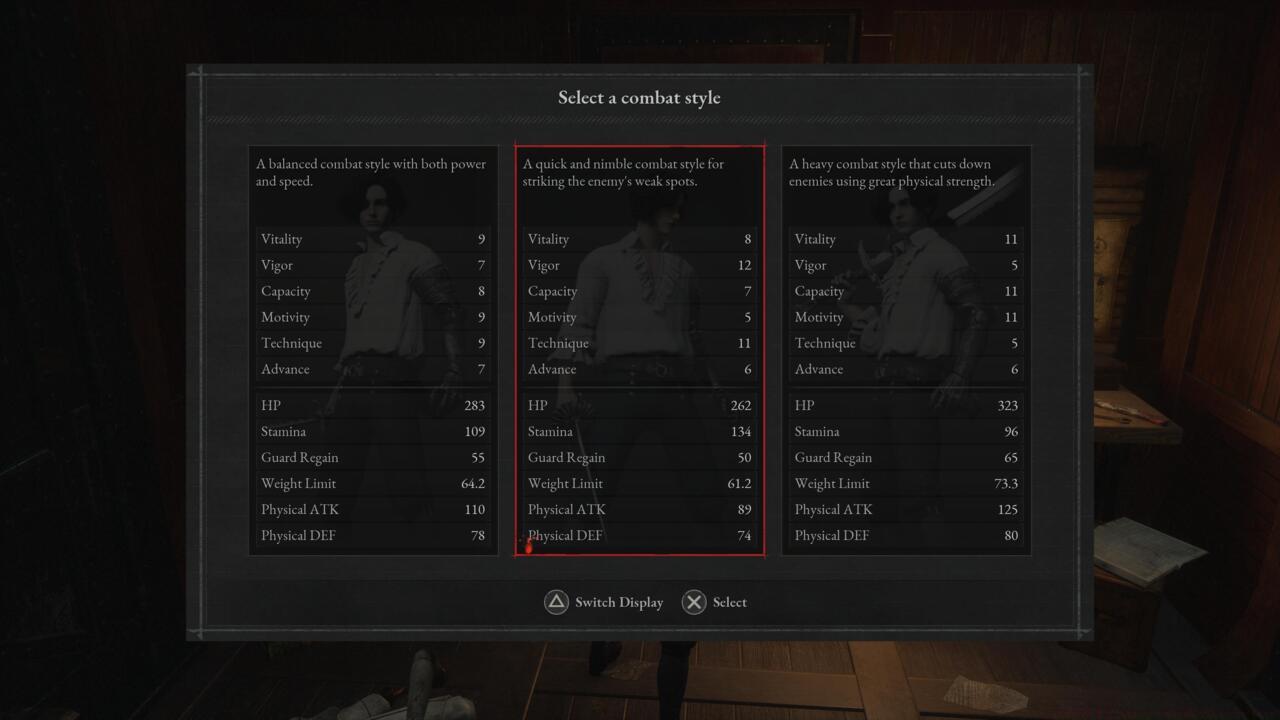
Each starting class provides unique stat distributions and weapon preferences that influence early combat encounters.
Your initial selection should align with preferred combat rhythm—whether you favor deliberate heavy strikes, rapid successive attacks, or adaptable mixed approaches. However, the game’s sophisticated scaling system enables weapon customization that transcends starting limitations. Special items discovered during exploration can modify weapon attributes to better complement your developed stat priorities.
While beginning statistics remain fixed, their relative importance diminishes as you accumulate levels and distribute points across multiple attributes. Min-maxing enthusiasts should note that optimal late-game builds often incorporate elements from multiple starting archetypes. The true mastery lies in understanding how to leverage your foundation while expanding capabilities.
Common beginner mistakes include over-specialization too early or neglecting essential supporting stats like Capacity for equipment load management. Advanced players recommend maintaining balanced progression until identifying preferred end-game weapons, then respecifying accordingly.
Embrace the Path of the Sweeper if colossal weapons and resilient defense define your ideal combat approach. This archetype begins with enhanced health pools and weight capacity, enabling sustained engagement through punishing exchanges. The greatsword starting weapon delivers staggering damage but demands precise timing due to extended attack animations.
Strategic stat investment prioritizes Vitality for survivability, Vigor for sustained offensive pressure, Capacity for superior armor options, and Motivity to maximize damage output. Successful Sweeper players master the rhythm between aggressive strikes and defensive positioning.
Advanced technique: Utilize hyper armor frames during heavy attacks to trade blows advantageously. Perfect guarding becomes crucial since missed timing often results in significant damage intake. Recommended accessory focus includes damage reduction and stagger enhancement items.
Optimal progression involves reaching 25 Vitality before significant Motivity investment, ensuring you withstand counter-attacks during recovery periods. Weapon arts that enhance poise or create defensive barriers synergize exceptionally well with this build philosophy.
Time investment: Expect approximately 3-5 hours to adapt to the deliberate combat pace. Mastery significantly reduces boss fight durations through efficient stance breaking and critical hits.
The Bastard path specializes in swift, evasive combat utilizing rapid strikes and precision timing. This approach favors players who prefer dodging over blocking and excel at identifying attack windows between enemy patterns. Lightweight weapons enable rapid succession attacks and quick disengagement.
Primary stat emphasis falls on Technique for damage scaling, Vigor for extended combo potential, and Vitality for survivability despite lighter armor.
Advanced strategy: Master the dodge-counter rhythm, where evading attacks immediately transitions into offensive pressure. Critical hit builds become exceptionally potent with high Technique scaling weapons that benefit from precise positioning.
Common pitfall: Underestimating the importance of Capacity for maintaining quick roll thresholds. Even lightweight builds require careful equipment management to preserve mobility advantages.
Weapon selection should prioritize movesets with quick recovery and versatile attack angles. Dual-wielding configurations often outperform two-handed approaches for this agile combat style.
Optimization tip: Prioritize weapons with inherent bleed or poison effects to compensate for lower per-hit damage. Status effect accumulation becomes a force multiplier for dexterity-focused characters.
Cricket represents the middle path, blending offensive capability with defensive options for adaptable combat approaches. This starting choice provides the most flexibility for players undecided on specialization or those who prefer reactive rather than predetermined strategies.
Balanced stat distribution enables effective use of diverse weapon types without significant retooling. This versatility proves invaluable when encountering enemies requiring different tactical responses.
Strategic advantage: The ability to switch between defensive posturing and aggressive pressure based on encounter requirements. No single enemy type hard-counters this well-rounded approach.
Advanced technique: Master stance switching mid-combat to exploit enemy weaknesses. Transition from guarding against rapid attacks to unleashing heavy strikes on vulnerable targets.
Optimal progression involves maintaining relatively even stat investment until identifying preferred combat specialization. Respecification options then allow optimization around discovered preferences.
Weapon recommendation: Versatile arms with scaling across multiple attributes or unique weapon arts that complement hybrid approaches.
Action Checklist
- Analyze your preferred combat rhythm: slow/heavy, fast/agile, or adaptive/versatile
- Select starting class aligning with identified preferences (Sweeper, Bastard, Cricket)
- Master class-specific techniques: hyper armor trading (Sweeper), dodge-countering (Bastard), stance switching (Cricket)
- Progress through early game focusing on fundamental stat priorities
- Identify preferred end-game weapons and respecify stats accordingly
- Optimize accessory selection and weapon scaling for maximum combat effectiveness
No reproduction without permission:SeeYouSoon Game Club » Lies Of P Classes – Which Class Is Best? Master Lies of P class selection with expert strategies for flexible character builds and optimal combat performance