
Mastering LEGO Star Wars: The Skywalker Saga’s gameplay systems, character classes, and exploration mechanics for optimal experience
Enhanced Gameplay Evolution: The Definitive LEGO Experience
LEGO Star Wars: The Skywalker Saga represents a quantum leap forward in the franchise’s gameplay evolution, blending action-adventure mechanics with sophisticated RPG progression systems and unprecedented open-world freedom.
This installment elevates the traditional LEGO formula through revolutionary camera control, expanded environmental interaction, and refined cinematic presentation that sets new standards for the series.
Building upon the foundation of six previous LEGO Star Wars titles since 2005, The Skywalker Saga dramatically amplifies every aspect that made the series beloved. Players can now experience iconic cinematic moments from all nine saga episodes with unprecedented freedom, thanks to an expansive Galaxy Map and sandbox-style level design that encourages exploration beyond the main narrative path.
The development team at TT Games has fundamentally reimagined the core gameplay experience, most notably through the introduction of free camera control. This eliminates the fixed perspective limitations that previously created claustrophobic environments and restricted player awareness. The ability to freely pan and explore surroundings transforms the atmospheric quality, creating more immersive and spacious feeling environments. While veteran players will recognize familiar gameplay segments, these have been substantially expanded—locations like Gungan City, Yavin 4, and Kamino now offer significantly more explorable territory than previous iterations.
Entirely new gameplay sequences have been integrated throughout, such as the completely reimagined Droid Factory level from the prequel trilogy. This section features revitalized platforming mechanics as players navigate treacherous factory environments to rescue Padmé. The Battle of Naboo sequence allows players to control the divisive Jar Jar Binks character (whose inclusion remains controversial among fans) in chaotic combat scenarios where you simultaneously engage enemy droids while repairing defensive catapults. These moments capture the franchise’s signature blend of absurd humor and engaging gameplay.
 Warner Bros. Interactive Entertainment
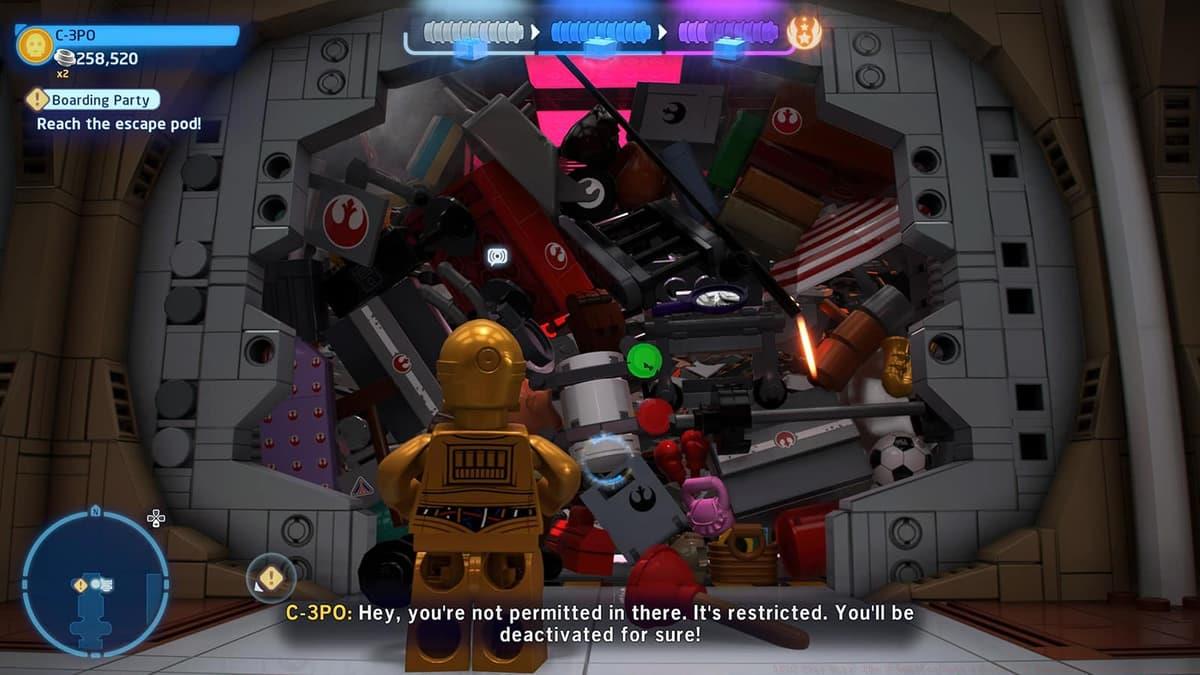
Environmental details and set pieces constructed from LEGO elements achieve remarkable visual fidelity and authenticity.
Levels have been completely reconstructed from foundational elements, such as Episode IV’s sequence where Princess Leia races through corridors while carrying stolen Death Star plans. The rebuilt environments utilize LEGO components to create more authentic plastic aesthetics throughout. Cinematic sequences have undergone comprehensive overhauls as well, resulting in smoother narrative transitions and more polished presentation compared to earlier titles’ occasionally rough edges.
The inclusion of voice acting, while present in recent LEGO titles, represents a significant departure from the traditional non-verbal communication that characterized earlier games. While the charming pantomime and visual comedy of classic LEGO games effectively conveyed humor without dialogue, the voice performances in The Skywalker Saga enhance narrative clarity and emotional resonance. The vocal delivery strikes an impressive balance between comedic timing and genuine sincerity, never allowing the franchise’s trademark humor to undermine serious story moments. For purists seeking nostalgic authenticity, the Extras menu includes an option to revert to the classic mumbled character voices.
The game’s self-referential humor remains consistently present throughout, featuring clever puns like the ‘Better Call Maul’ mission title and hilarious cinematic sequences. The droid character H1-NT provides particularly entertaining commentary, offering dry, meta-humor about his own existence while delivering gameplay guidance. This careful balance between reverence for source material and playful irreverence defines the game’s unique tonal approach.
Combat Systems Deep Dive: Classes, Upgrades, and Advanced Techniques
LEGO Star Wars: The Skywalker Saga features an unprecedented roster exceeding 300 unlockable characters, ranging from intimidating creatures like the Rancor (which triggers NPC panic responses) to multiple variants of iconic figures. Emperor Palpatine alone features three distinct appearances: ‘Chancellor’, ‘Scarred – Red’, and ‘Senator’ versions. The game organizes these characters into nine specialized classes: Dark Side, Protocol Droid, Scavenger, Scoundrel, Bounty Hunter, Jedi, Hero, Villain, and Astromech—each possessing unique capabilities and upgrade progression paths.
An additional ‘Extra’ category accommodates characters lacking special combat abilities, such as Queen Amidala—my preferred exploration companion alongside General Grievous. These characters contribute unique vocal quips and entertaining reactions, with Amidala displaying a particularly amusing triumphant expression after defeating enemies or destroying environmental objects. Each class delivers distinctive gameplay experiences, though lightsaber-wielding characters understandably provide the most satisfying combat encounters.
 Warner Bros. Interactive Entertainment
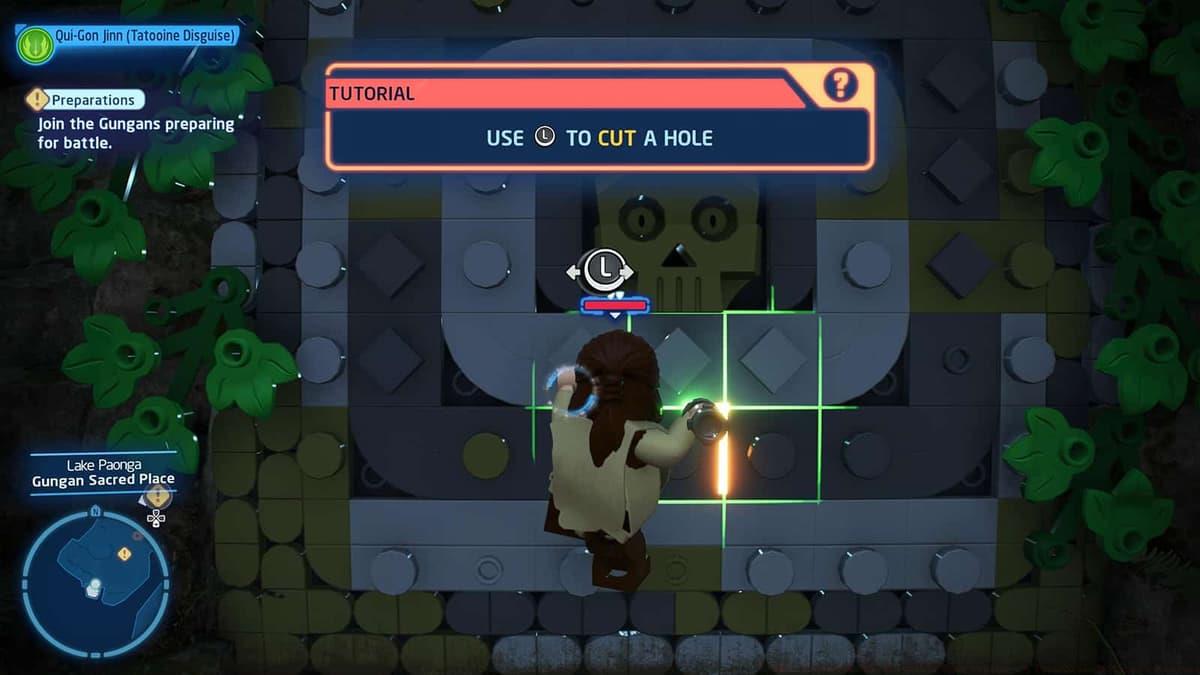
Class-specific abilities dramatically alter how players interact with environments and approach combat scenarios.
Hero class characters including Princess Leia, Jar Jar Binks, and Bail Organa come equipped with blaster weapons and grappling hooks for environmental navigation. The updated third-person aiming perspective allows precision targeting—players can strategically shoot Stormtrooper helmets off with well-aimed shots, creating opportunities for advanced combat combinations. This mechanic rewards tactical positioning and careful aim rather than indiscriminate firing.
Force-sensitive characters like Obi-Wan Kenobi, Anakin Skywalker, and Darth Maul can execute fluid lightsaber combos while utilizing telekinetic abilities to manipulate objects—either as offensive weapons against enemies or as stylish methods for collecting currency studs. Their lightsabers also serve as environmental tools, capable of slicing through specific LEGO walls to reveal hidden areas and alternate pathways.
Droid characters R2-D2 and C-3PO possess specialized hacking capabilities that interact with electronic systems—opening secured doors or activating environmental events. During one sequence, I utilized C-3PO to trigger an alarm system (with an alternative turret activation option available), causing Stormtroopers to evacuate the area entirely. Droids maintain the tactical advantage of being ignored by hostile forces unless players initiate combat, making them ideal for stealth-oriented approaches to navigation and puzzle-solving.
Certain characters span multiple class categories to accurately reflect their evolving roles throughout the film narratives. Rey exemplifies this design approach, featuring Dark Side, Scavenger, and Jedi variants that correspond to different story chronology points.
The combat system emphasizes strategic variety through its combo meter mechanics. Successfully chaining different attacks and abilities fills this meter, granting stud multiplier bonuses. However, the game actively discourages repetitive attack patterns—enemies quickly adapt to frequently used moves and begin countering them. This design forces players to constantly vary their offensive approaches and consider tactical options rather than relying on single-button combat strategies.
 Warner Bros. Interactive Entertainment
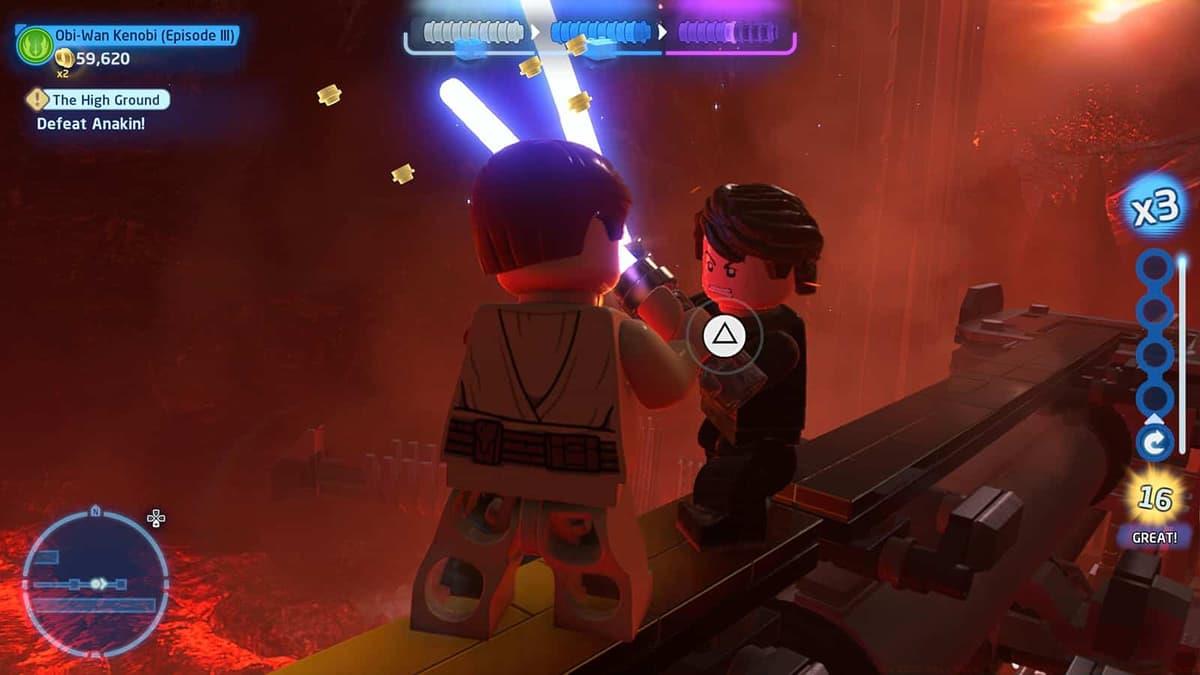
Boss encounters showcase the combat system’s full potential through elaborate set pieces and dynamic mechanics.
Boss battles represent combat at its most spectacular, featuring epic environmental set pieces, quick-time events, and platforming sequences that recreate iconic film confrontations with impressive fidelity. As players progress through story missions, they accumulate studs that contribute toward achieving ‘True Jedi’ status for each level—rewarding Kyber Bricks (replacing the Gold Brick system from earlier titles).
These currencies enable character upgrades across two primary categories: Core upgrades (universal improvements) and class-specific enhancements. Core upgrades provide fundamental benefits like increased movement speed, additional health capacity, and collectible detection abilities. The visual collectible highlighting feature, while useful, can create interface clutter through its blue Force-like aura indicators. Fortunately, TT Games included a convenient toggle option allowing players to disable any unlocked upgrades with a single button press.
 Warner Bros. Interactive Entertainment
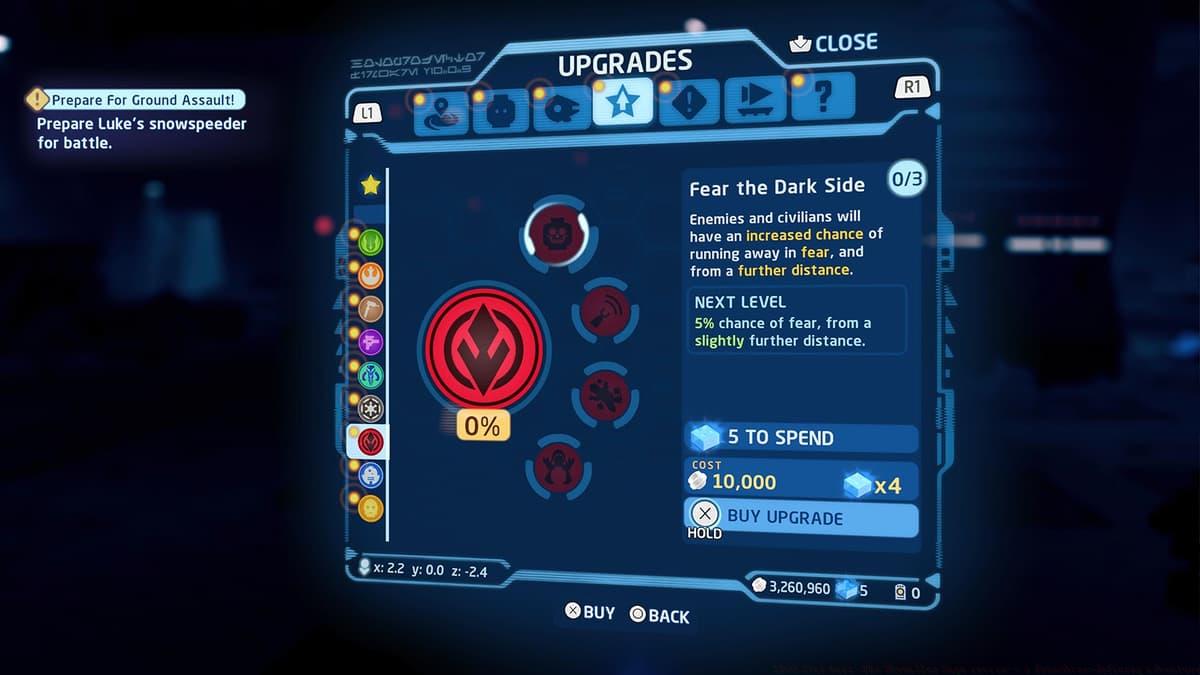
Upgrade trees provide meaningful progression options while maintaining gameplay balance across different character types.
Class-specific upgrades introduce new mechanical capabilities—Scoundrel characters (Han Solo, Chewbacca) can unlock sliding attacks for stylish enemy engagements, while Dark Side practitioners gain access to ‘Fear the Dark Side’ abilities that progressively intimidate enemies and civilians based on upgrade level. While these specialized upgrades provide enjoyable additional options, they rarely fundamentally transform core gameplay dynamics. The environmental puzzle elements remain a central focus, requiring players to utilize character-specific abilities to manipulate surroundings—these challenges prove equally engaging whether tackled solo or cooperatively.
Pressure plates, security locks, and inaccessible objects that require particular class abilities ensure continuous progression incentives, motivating return visits to previously completed areas after acquiring new character capabilities. This design creates satisfying exploration feedback loops that extend gameplay longevity well beyond the main story completion.
Open World Exploration: Maximizing Collectibles and Side Content
One of the most compelling aspects of modern gaming involves the freedom to explore virtual worlds according to personal preference, approaching objectives through multiple methods with varying outcomes. LEGO Star Wars: The Skywalker Saga delivers this experience in abundance, presenting an almost overwhelming quantity of activities and discoveries. The sheer volume of available content creates both excitement and potential analysis paralysis for completionist players.
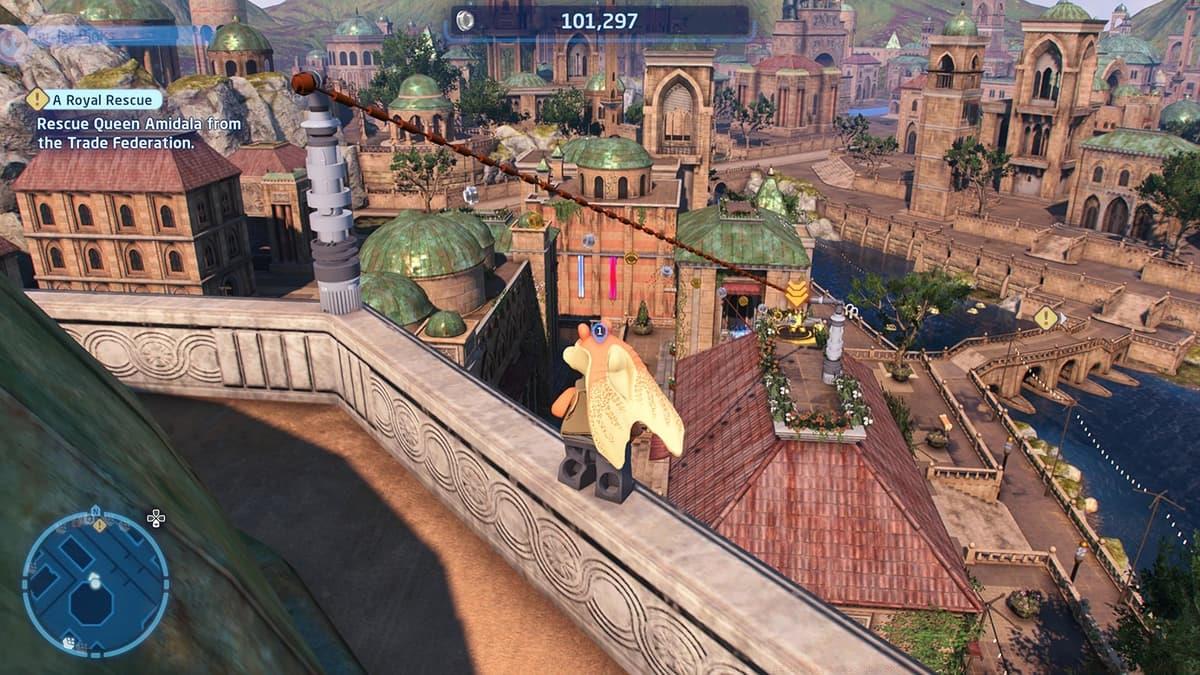
Every story level contains specific completion challenges and hidden Minikit collectibles, while the Galaxy’s hub worlds overflow with trials, environmental puzzles, side missions, and additional objectives. When combined with the massive character unlock system, these elements create a content ecosystem where players have only begun exploring surface-level possibilities after dozens of hours.
 Warner Bros. Interactive Entertainment
Multi-layered level design encourages thorough exploration with rewards for investigating both horizontal and vertical spaces.
The Extras menu functions as an extensive customization system, amplifying the franchise’s characteristic lightheartedness. Accessible through discovered Datacards scattered throughout the game world, these options range from practical stud multiplier enhancements to purely cosmetic alterations like ‘Baguette Lightsabers’ and retro-styled ‘Television Mode’ visual filters. This system grants players significant control over their preferred gameplay experience and difficulty calibration.
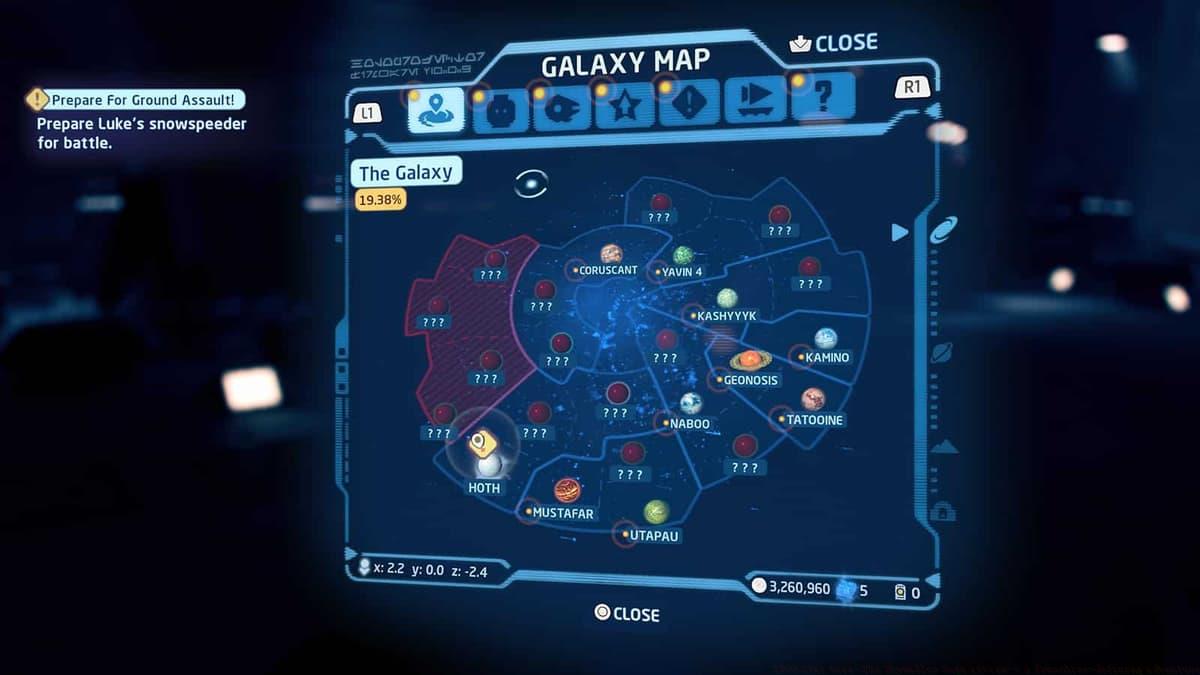
TT Games provides unprecedented narrative access by unlocking all three film trilogies from the beginning, with the single restriction requiring sequential episode completion within each trilogy. As players navigate the game world, golden pathway indicators clearly mark story progression routes—but these remain optional until players choose to advance the narrative. While certain areas remain inaccessible until acquiring specific class abilities later, the overall experience successfully blends structured Star Wars storytelling with expansive sandbox freedom.
 Warner Bros. Interactive Entertainment
The Galactic overworld features numerous distinct environments each with unique visual identities and exploration opportunities.
Space exploration receives equal attention to planetary environments, offering similar freedom within cosmic settings. While navigating space sectors, players encounter random combat engagements requiring enemy suppression. These sequences feature fluid control mechanics and accessible gameplay systems, though space combat remains my personal least preferred gameplay element. While I typically rush through similar segments in other titles, The Skywalker Saga’s space exploration maintains sufficient engagement to prevent tedium despite not being the highlight experience.
Pro Tip: Prioritize unlocking stud multiplier extras early through Datacard collection, as these dramatically accelerate currency acquisition for character upgrades. Focus on Core upgrades before investing in class-specific enhancements, and utilize droid characters for stealthy exploration in enemy-dense areas to avoid unnecessary combat interruptions.
Avoid This Mistake: Don’t overlook the upgrade toggle feature—the collectible highlighting aura can create significant visual clutter during exploration. Learn to activate it only when specifically searching for hidden items rather than leaving it permanently enabled.
Final Verdict and Purchase Guide
LEGO Star Wars: The Skywalker Saga stands as a visually stunning, massively scaled sandbox adventure that expertly balances comedic elements with respectful treatment of the franchise’s dramatic lore, while delivering an almost overwhelming quantity of engaging content. While the game doesn’t fundamentally reinvent established gameplay formulas, it perfects every aspect from platforming mechanics to collectible systems, character progression, and open-world design. This installment unquestionably establishes new benchmarks for LEGO video games, generating considerable anticipation for the developer’s future projects. Reviewed on PlayStation 5
Star Wars: The Rise of Skywalker budget nears eye-watering sum
Pokemon Lego set leak reveals $650 price tag and huge build size
Lego Batman: Legacy of the Dark Knight makes Gotham as fun to explore as Spider-Man games – Gamescom preview
You can purchase LEGO Star Wars: The Skywalker Saga through affiliate links to Amazon or Best Buy, with the understanding that clicking product links on this page may generate minor affiliate commissions supporting our content.
No reproduction without permission:SeeYouSoon Game Club » LEGO Star Wars: The Skywalker Saga review – A franchise-defining adventure Mastering LEGO Star Wars: The Skywalker Saga's gameplay systems, character classes, and exploration mechanics for optimal experience