
Professional footballer Kylian Mbappe explains why he stopped playing FIFA 22 FUT Champions and how it impacted his real-world performance
The Professional Footballer’s Gaming Paradox
Professional footballers frequently turn to gaming during their downtime, with FIFA serving as both entertainment and tactical training tool. Many elite athletes utilize virtual football to analyze gameplay patterns and maintain engagement with the sport during recovery periods.
Top footballers increasingly leverage FIFA for both recreation and professional development, but this dual-purpose engagement carries unexpected risks.
Elite athletes maintain rigorous training schedules that leave limited leisure time, making gaming an appealing option for mental relaxation. However, the competitive nature of FIFA Ultimate Team creates a paradox where relaxation becomes another form of competition. Numerous professionals have built impressive squads featuring their own special edition cards provided by EA SPORTS. Liverpool forward Diogo Jota demonstrates this trend perfectly, having achieved multiple flawless FUT Champions weekends. The game’s current cover athlete, Kylian Mbappe, represents this generation of footballer-gamers who’ve embraced virtual competition for years.
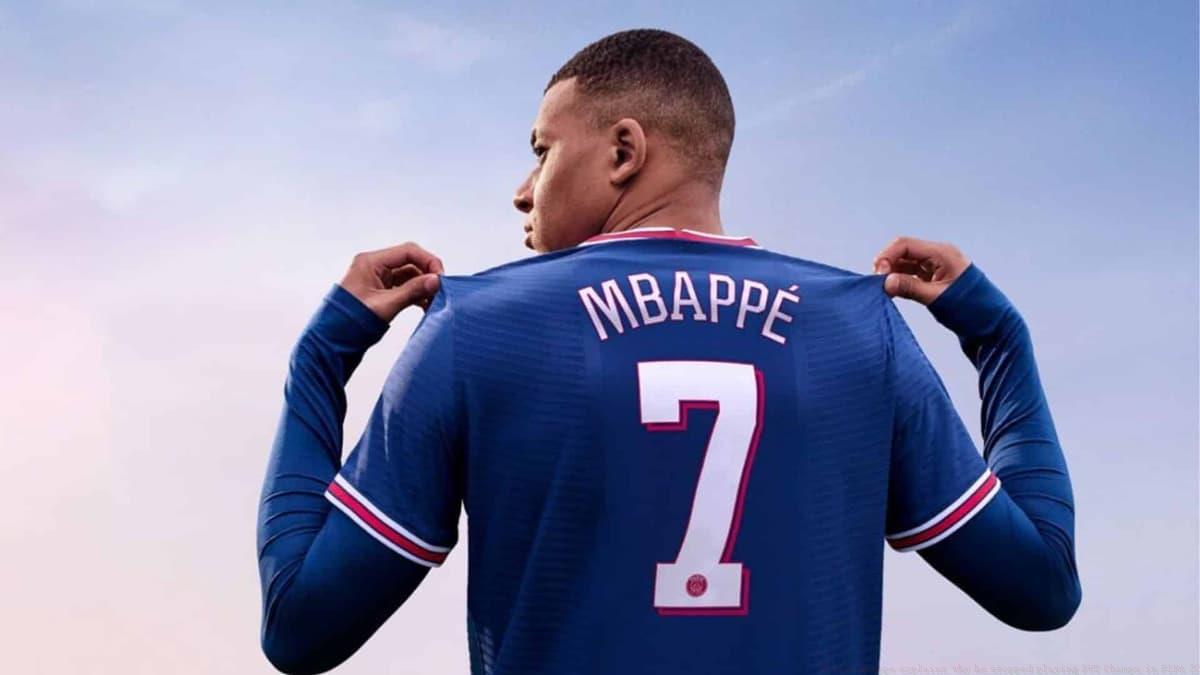 EA SPORTS
Mbappe’s prominent role as FIFA cover star highlights the connection between virtual and real football.
Mbappe’s FIFA Journey and Cover Star Status
The Paris Saint-Germain striker, currently navigating contract negotiations with the French champions, has featured prominently on FIFA covers for several consecutive editions while consistently expressing his enthusiasm for the gaming experience. His status as cover athlete extends beyond marketing into genuine gaming participation.
The Breaking Point: How FUT Champions Affected Real Performance
The critical turning point emerged during Mbappe’s appearance on a live stream with prominent French content creator Gotaga, where he disclosed that FIFA 22 was negatively influencing his actual football capabilities, prompting his departure from FUT Champions. “I stopped playing FUT Champions because it started affecting my mind,” the 23-year-old World Cup champion revealed when questioned about his recent FIFA experiences. https://twitter.com/TwinsFifaHD/status/1496547815710986241 While FUT Champions offers excellent skill testing opportunities and valuable reward structures, its demanding nature requires significant time investment, making Mbappe’s withdrawal understandable from a professional standpoint.
For elite athletes, mental freshness proves as crucial as physical conditioning. The intense focus required for FUT Champions weekends can deplete cognitive resources needed for match preparation and tactical analysis. Many professional gamers report similar mental fatigue, but for footballers like Mbappe, this directly impacts multi-million dollar careers and team success.
Professional Gaming vs Professional Sports Balance
The World Cup champion might potentially return to competitive FIFA during summer breaks or off-season periods, but considering his potential free agency status and anticipated global club interest, he may postpone his gaming return until FIFA 23 launches. This decision reflects the careful balancing act professional athletes must maintain between gaming passion and career obligations.
Professional athletes face unique challenges in gaming moderation. Unlike casual players, their performance metrics are constantly measured, and any decline attracts immediate scrutiny. The psychological carryover from gaming frustration to training focus represents a genuine concern for sports psychologists working with gaming-inclined athletes.
Time management becomes critical when balancing elite sports and competitive gaming. FUT Champions requires approximately 20-30 hours monthly for optimal rewards, time that professional athletes often allocate to recovery, analysis, or additional training. The opportunity cost of gaming time becomes substantial at this performance level.
Lessons for Competitive Gamers and Athletes
Mbappe’s experience offers valuable insights for all competitive gamers. Recognizing when gaming ceases to be beneficial and starts becoming detrimental represents a crucial skill. Warning signs include increased frustration, sleep pattern disruption, and performance decline in primary activities.
For athlete-gamers specifically, establishing clear boundaries between virtual and real competition proves essential. This might involve scheduling gaming during low-intensity training periods, avoiding competitive modes before important matches, or limiting session duration to preserve mental energy.
The growing convergence between esports and traditional sports necessitates deeper understanding of how virtual competition affects physical performance. As more athletes openly discuss their gaming experiences, best practices will emerge for balancing these dual competitive interests.
No reproduction without permission:SeeYouSoon Game Club » Kylian Mbappe explains why he stopped playing FUT Champs in FIFA 22 Professional footballer Kylian Mbappe explains why he stopped playing FIFA 22 FUT Champions and how it impacted his real-world performance