
A deep dive into Kingdom Come Deliverance 2’s Mysteria Ecclesiae DLC, offering strategic insights and critical analysis for role-playing enthusiasts.
Introduction: The Allure of Mysteria Ecclesiae
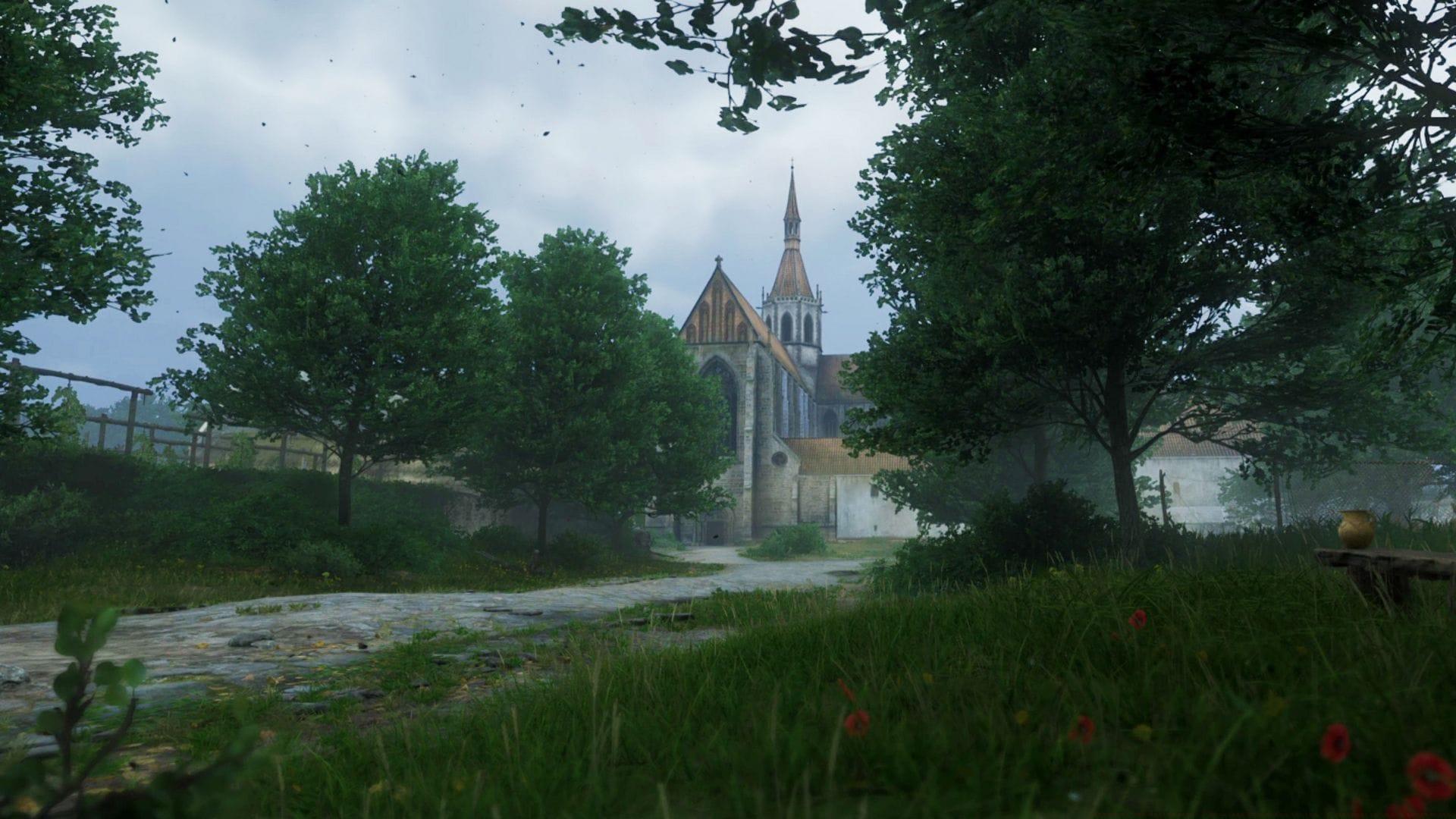
Mysteria Ecclesiae, translating to “mysteries of the church,” presents players with what might be Warhorse Studios’ most ambitious narrative expansion for Kingdom Come Deliverance 2. While previous premium DLCs introduced substantial new mechanics and areas, this third installment distinguishes itself through psychological depth and atmospheric storytelling that lingers long after completion.
For those who consider Kingdom Come Deliverance 2 the definitive role-playing experience of 2025, Mysteria Ecclesiae serves as both validation and elevation. The expansion enhances the base game’s strongest elements—character development, moral complexity, and historical authenticity—while introducing a self-contained mystery that operates by its own compelling rules.
Narrative Design and Quest Structure
Warhorse Studios has established a pattern with each Kingdom Come Deliverance 2 DLC release: introduce novel gameplay systems that expand player agency. Approaching Mysteria Ecclesiae, I anticipated another layer of mechanical innovation. Instead, I discovered a narrative-centric experience that prioritizes investigation and interpersonal dynamics over traditional RPG systems.
The expansion features six primary missions, beginning with an introductory sequence that establishes the quarantine premise. This constrained setting—investigating a plague outbreak with limited resources—creates immediate tension. Every decision carries weight, and the stealth-oriented gameplay reinforces the vulnerability of your position.
What distinguishes Mysteria Ecclesiae’s structure is its integrated side content. Secondary objectives aren’t optional distractions but rather essential threads in the investigative tapestry. Failure to complete certain tasks at narrative-critical moments results in permanent loss, mirroring the urgency of the quarantine scenario. This design creates meaningful stakes beyond typical completionism.
Practical Tip: Prioritize conversations with monastic officials during your first daylight cycle. Their schedules change as the plague progresses, and missing early dialogues can lock out crucial evidence.
The narrative maintains exceptional momentum, with each revelation naturally prompting the next investigative step. Character motivations evolve alongside the spreading disease, creating organic dramatic progression rather than artificial quest markers.
Sedletz Monastery: From Setting to Character
Warhorse’s environmental design team has accomplished something remarkable with Sedletz Monastery. Previously glimpsed in the base game, the location now transforms into a fully realized ecosystem with its own rhythms, secrets, and personality. The monastery ceases to be mere backdrop and becomes a central character in the drama.
Despite narrative restrictions limiting travel beyond Sedletz’s walls, the location feels abundantly complete. Resource scarcity exists—medical supplies are limited, certain tools are deliberately hard to locate—but these constraints serve the narrative rather than frustrate gameplay. The intuitive layout ensures essential items remain findable through environmental observation rather than map markers.
Common Mistake: Players often rush through the monastery’s scriptorium and infirmary. These areas contain subtle environmental storytelling that foreshadows later revelations. Take time to examine bookshelves, medical implements, and religious icons.
The auditory landscape deserves particular praise. The haunting vocals of Saint Barbara’s hymn and the monastery’s ambient sounds—whispered prayers, distant coughing, echoing footsteps—create palpable atmosphere. This acoustic design elevates the narrative beyond visual storytelling into multisensory immersion.
Post-completion accessibility deserves mention: unlike many narrative DLCs that become inaccessible, Sedletz remains visitable after resolving the central mystery. This design choice respects player investment and allows appreciation of environmental details without narrative pressure.
Gameplay Mechanics and Combat Philosophy
My entire playthrough involved perhaps four or five unavoidable conflicts. This statistic reveals Mysteria Ecclesiae’s fundamental design philosophy: truth emerges through investigation and dialogue rather than violence. While combat remains an option in certain scenarios, the narrative consistently rewards diplomatic resolution.
The expansion emphasizes Persuasion and Speech skills as primary tools. Successful investigation requires reading character motivations, identifying leverage points, and presenting arguments tailored to individual personalities. This represents Kingdom Come Deliverance 2’s RPG systems operating at their most sophisticated.
Without spoiling specific plot developments, Mysteria Ecclesiae explores a plague outbreak at Sedletz Monastery. Initial ignorance gives way to urgency as the quarantine tightens. Protagonist Henry’s investigation follows conventional epidemiological procedure before uncovering profoundly personal dimensions to the crisis.
Optimization Tip: Before starting the DLC, consider respecifying skill points if your Henry lacks Speech or Charisma investment. While combat skills have situational utility, social proficiencies provide consistent narrative advantages.
Players expecting traditional dungeon-crawling or extensive swordplay may initially feel disoriented. The experience instead channels classic adventure games and investigative thrillers, with progression gated by intellectual breakthroughs rather than defeated enemies.
Technical Performance and Bug Analysis
During my approximately twelve-hour playthrough, technical issues proved minimal. The most notable glitch involved NPC pathfinding during an auto-follow sequence, where a character blocked doorway access. This resolved after manual repositioning.
Several visual anomalies appeared—texture pop-in near the monastery’s eastern wall, occasional lighting inconsistencies during transitional periods—but these never compromised gameplay integrity. Crucially, I experienced no progression-blocking bugs, narrative breaks, or required save reloads.
Common Mistake: Some players report getting stuck in geometry when exploring the monastery’s lower catacombs. The solution involves careful movement rather than sprinting through narrow passages.
Warhorse’s post-launch support deserves acknowledgment. Previous Kingdom Come Deliverance 2 DLCs received timely patches addressing minor issues, and I anticipate similar attention for Mysteria Ecclesiae should more significant problems emerge.
The overall stability proves particularly impressive given the expansion’s complex NPC scheduling systems and interactive environmental elements. This technical polish ensures immersion remains uninterrupted throughout the investigative journey.
Comparative Context and Industry Standing
In a year featuring major releases like Expedition 33, Hades 2, and Death Stranding 2, Kingdom Come Deliverance 2 maintains its position through commitment to historical authenticity and character-driven storytelling. Mysteria Ecclesiae amplifies these strengths rather than chasing contemporary trends.
This expansion likely represents Warhorse’s final narrative contribution to Kingdom Come Deliverance 2, and it serves as a definitive statement of their design philosophy. The focus remains firmly on single-player immersion, rejecting live-service elements in favor of curated experience.
The relatively concise narrative—approximately ten to fifteen hours for thorough investigation—works to its advantage. Every scene serves thematic or character development purposes, with minimal filler content. This disciplined storytelling contrasts with bloated open-world conventions.
Practical Tip: Approach Mysteria Ecclesiae as a medieval mystery novel rather than traditional RPG expansion. Adjusting expectations accordingly enhances appreciation of its narrative pacing and structural choices.
The expansion’s quarantine premise resonates with contemporary experiences while maintaining historical plausibility. This delicate balance between relevance and authenticity demonstrates Warhorse’s maturing narrative voice.
Final Verdict and Strategic Recommendations
Mysteria Ecclesiae concludes with revelations that reframe both the immediate narrative and broader Kingdom Come Deliverance 2 lore. The monastery’s secrets extend beyond epidemiological origins into examinations of faith, institutional power, and personal responsibility.
The expansion’s greatest achievement lies in making Sedletz Monastery feel simultaneously intimate and expansive. Every corridor, chapel, and cell contributes to environmental storytelling, creating cohesion rarely achieved in RPG settings.
Optimization Tip: Complete the base game’s monastic-related side quests before beginning Mysteria Ecclesiae. While not required, this preparation provides contextual depth that enhances narrative payoff.
Warhorse Studios has delivered what may be their most thematically mature work. Mysteria Ecclesiae trusts players to engage with complex moral questions without providing simplistic answers. This intellectual respect distinguishes it from conventional DLC offerings.
For role-playing enthusiasts valuing narrative depth over mechanical novelty, this expansion represents essential playing. It demonstrates how constrained settings and focused storytelling can produce more memorable experiences than sprawling but shallow content.
Reviewed on: PC (key provided by Deep Silver)
Platforms: PC, PlayStation 5, Xbox Series X|S
Developers: Warhorse Studios
Publisher: Deep Silver
Release date: November 11, 2025
No reproduction without permission:SeeYouSoon Game Club » Kingdom Come Deliverance 2 Mysteria Ecclesiae review: A quarantine worth remembering A deep dive into Kingdom Come Deliverance 2's Mysteria Ecclesiae DLC, offering strategic insights and critical analysis for role-playing enthusiasts.