
Unpacking Where Winds Meet’s unique hybrid approach that redefines MMO boundaries with practical player guidance
The Marketing Paradox: MMO Elements Without the MMO Label
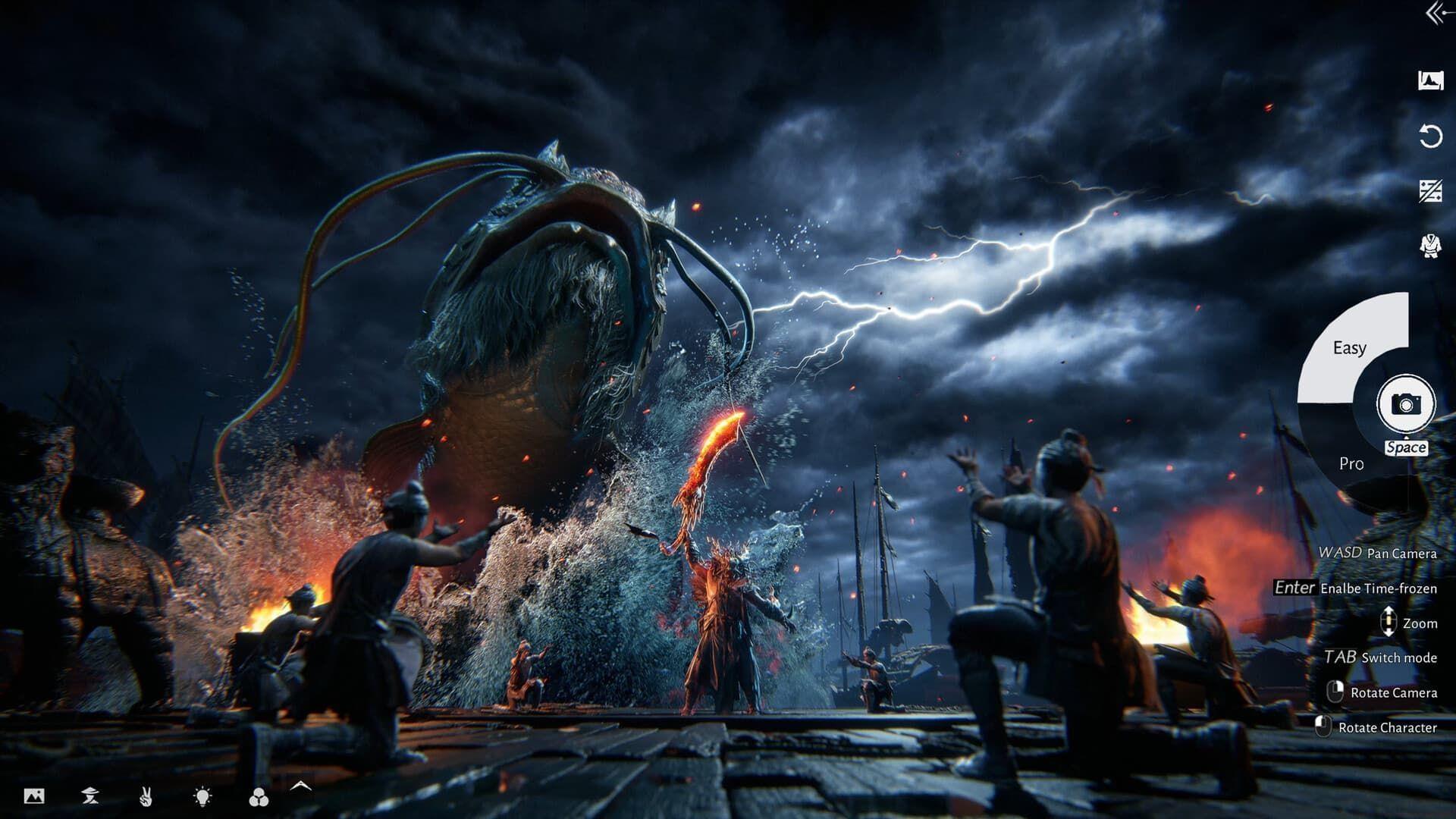
NetEase has consistently avoided marketing Where Winds Meet as an MMO, yet the game incorporates numerous multiplayer online role-playing game mechanics that create confusion among players. The promotional focus emphasizes wuxia-inspired action combat within a freeform open world environment, supplemented by optional cooperative play for up to four participants. Beyond this surface-level co-op functionality lies a significantly broader “Online Mode” with distinct MMO characteristics that operates separately from the main campaign experience.
Primary story content including campaign bosses and secondary missions can indeed be tackled cooperatively with a maximum of three additional players. However, this cooperative approach primarily benefits the session host regarding progression tracking, while supporting players receive specialized currency rewards instead of narrative advancement. This asymmetric reward structure creates strategic considerations for group play sessions.
Understanding the fundamental separation between cooperative and online functionality represents a critical distinction many players miss due to nuanced marketing communications: cooperative play functions independently from the dedicated Online Mode. The cooperative system operates similarly to summoning mechanics in Elden Ring and other Souls-inspired titles, where guests join a host’s world temporarily with specific gameplay restrictions applied to maintain balance.
Meanwhile, the designated Online Mode establishes an entirely separate gameplay environment with persistent server infrastructure. Consider the solo/cooperative experience as your personal private instance, while the Online Mode represents a shared persistent world accommodating multiple concurrent players interacting within the same game space simultaneously.
Online Mode Deep Dive: What Actually Exists
The dedicated multiplayer environment, while not officially designated as an MMO mode, incorporates numerous traditional massively multiplayer features through compartmentalized activity systems. These structured game modes provide social interaction opportunities without creating a seamless open-world MMO experience.
Player versus player combat options include diverse arena formats ranging from intimate 1v1 duels to expansive 30v30 guild battles, based on configurations observed in the Chinese release version. A distinctive PvPvE extraction mode challenges participants to survive with initially zero equipment, combining battle royale mechanics with loot extraction systems.
The bounty system represents a particularly sophisticated social mechanic within Where Winds Meet’s multiplayer ecosystem. Players who engage in player killing or commit in-game crimes become eligible for bounty contracts, which other players can accept to hunt them down. Mirroring invasion systems from Soulsborne games, bounty hunters can infiltrate their target’s solo instance to fulfill contract obligations, creating dynamic cross-mode interactions.
Also Read: Where Winds Meet redeem codes
Additional cross-mode integration examples include the disease management system, where players can contract illnesses that progress through multiple severity stages. Curing these conditions may require recruiting another player specializing in medicinal life skills, who then visits the afflicted player’s world to perform healing minigames. This creates emergent social dependencies between game modes.
Collectively, these interconnected social systems position Where Winds Meet as an innovative hybrid occupying the space between conventional live-service action RPGs and traditional massively multiplayer online role-playing games.
The Missing MMO Elements: Critical Limitations
Despite incorporating numerous MMO-like features, Where Winds Meet deliberately avoids the MMO classification due to significant design limitations in key areas that define traditional massively multiplayer experiences.
The most substantial limitation concerns open-world sandbox functionality within the Online Mode. Virtually all activities beyond basic resource collection occur outside the persistent open world, accessible instead through menu-based activity selection. This compartmentalization prevents the organic player interactions and emergent gameplay that characterize true MMO environments.
Progression represents another critical differentiator. Unlike conventional MMOs where character development occurs seamlessly across game modes, Where Winds Meet restricts campaign quests and most side content exclusively to solo and cooperative play. The Online Mode functions as a parallel progression track with separate rewards and advancement systems, creating a fragmented player experience.
Server capacity remains another unanswered question affecting the MMO assessment. While NetEase’s Once Human provides a comparable reference point for expected concurrent user numbers per server instance, the actual player limits for Where Winds Meet’s global release remain unspecified. This uncertainty impacts community formation and persistent world immersion.
The combination of these limitations—restricted open-world activities, segregated progression systems, and unspecified server populations—prevents the Online Mode from delivering the cohesive massively multiplayer experience that the compartmentalized features might otherwise suggest.
Strategic Implications for Players
Understanding Where Winds Meet’s hybrid design has significant practical implications for player strategy and progression optimization. The separation between solo/cooperative and Online Mode content requires deliberate planning to maximize efficiency and enjoyment.
Mode selection strategy should prioritize campaign progression in solo/cooperative sessions while reserving Online Mode for specific reward acquisition and social interaction. The exclusive currency available to cooperative participants makes group boss fights economically valuable for supporting players, even without narrative progression.
Life skill specialization creates unique social opportunities, particularly in healing and other support abilities that enable cross-mode services. Developing medical expertise allows players to generate income by curing diseases in other players’ worlds, while combat specialists may focus on bounty hunting contracts.
Common mistakes include attempting to treat the Online Mode as a primary progression path or underestimating the time investment required for different activity types. Players should avoid neglecting solo content in favor of Online Mode activities, as campaign completion remains essential for unlocking core game features.
Advanced optimization involves coordinating play sessions to alternate between mode types based on daily and weekly reset schedules for maximum reward efficiency. Forming consistent groups for raid content and establishing regular bounty hunting partnerships can significantly enhance the social experience while optimizing time investment.
Stay tuned for more Where Winds Meet news and guides on Sportskeeda.
No reproduction without permission:SeeYouSoon Game Club » Is Where Winds Meet an MMO? Unpacking Where Winds Meet's unique hybrid approach that redefines MMO boundaries with practical player guidance