
Analyzing IEM Katowice 2022’s historic viewership and what it reveals about CS:GO’s competitive landscape
Historic Viewership Achievement
IEM Katowice 2022 has etched its name into Counter-Strike history by achieving a remarkable viewership milestone that places it among the elite CS:GO tournaments ever staged.
The February 2022 championship shattered expectations when it surpassed the one million concurrent viewer threshold during its climactic final day, joining an exclusive club of CS:GO events that have achieved this digital attendance landmark. This accomplishment becomes even more significant considering IEM Katowice operates outside the Major tournament system, which typically commands higher viewer attention due to its championship status and qualification implications.
When analyzing the historical context, IEM Katowice 2022’s peak of 1,122,015 viewers represents a substantial achievement in competitive Counter-Strike’s evolution. The tournament now occupies the fifth position on the all-time viewership rankings, displacing the FACEIT Major London 2018 from that spot. What makes this particularly noteworthy is that Katowice achieved this as a non-Major event, demonstrating that premium tournament brands can compete with championship events for audience attention when they deliver compelling narratives and competitive excellence.
This ranking reveals an important trend: IEM Katowice events consistently deliver exceptional viewership, with both the 2019 and 2022 editions appearing in the top five. Tournament organizers should note that consistent production quality, established venue reputation, and historical significance contribute significantly to viewer engagement, often rivaling or exceeding what Major tournaments achieve.
Tournament Dynamics and Team Performance
The championship reached its dramatic conclusion on February 27th with a grand final that defied expectations in both competitive intensity and audience engagement. While the 3-0 scoreline suggests a one-sided affair, the actual gameplay between FaZe Clan and G2 Esports featured numerous clutch moments, tactical innovations, and individual performances that captivated viewers throughout the best-of-five series.
 ESL
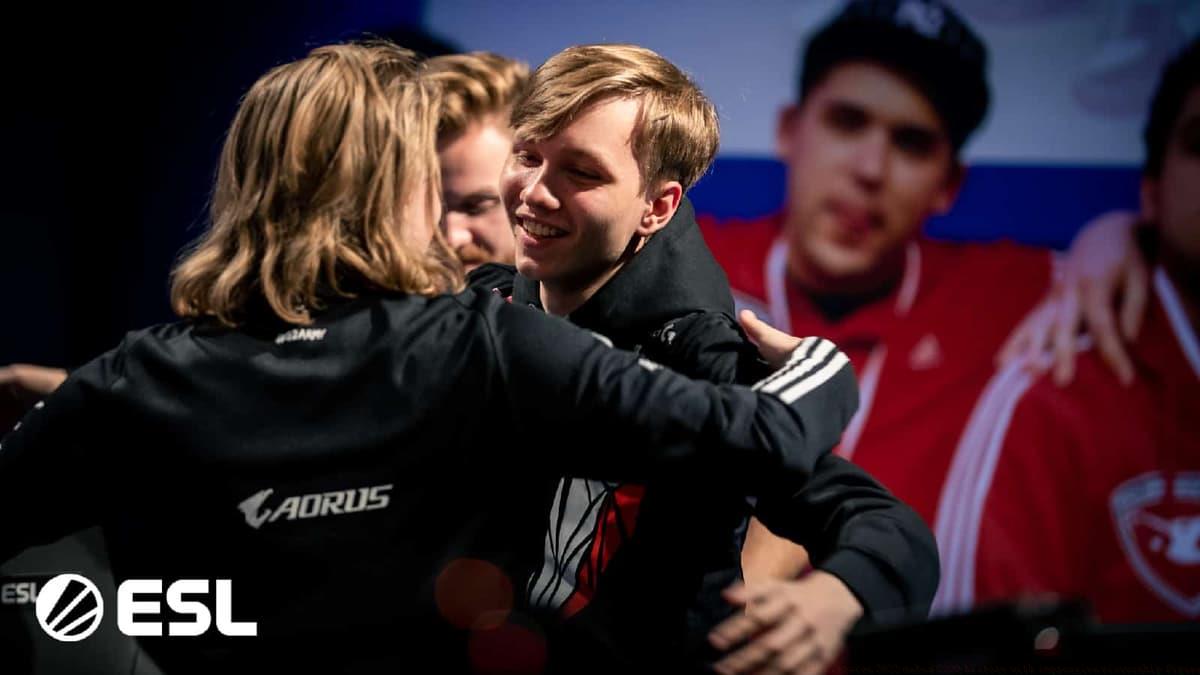
ESLG2’s roster proved exceptionally popular despite their runner-up finish
Viewership analytics reveal fascinating patterns about team popularity and audience preferences. The marathon Mirage map during the final series became the tournament’s peak viewership moment, reaching over 1.1 million concurrent viewers according to Esports Charts data. This demonstrates how decisive map moments during critical matches can trigger massive audience spikes, as viewers who might have been casually watching become invested in the outcome.
Perhaps the most surprising statistic emerged from team-specific viewership analysis. G2 Esports, despite falling short in the championship match, dominated audience metrics throughout the tournament. Their semi-final clash against Natus Vincere nearly reached one million viewers itself, peaking at approximately 980,000 concurrent spectators. Even more telling, four of the five most-watched matches featured G2, and the team maintained an average viewership of 475,845 people—significantly higher than both tournament champions FaZe Clan (350,782) and perennial favorites NAVI (372,694).
This disparity between competitive success and audience popularity offers valuable lessons for esports organizations. Teams with charismatic players, aggressive playstyles, and strong regional fanbases can generate substantial viewership regardless of tournament outcomes. Organizations should consider that while winning championships remains important, cultivating fan engagement through player personalities, content creation, and community interaction can deliver significant commercial benefits through increased sponsorship visibility and merchandise sales.
CS:GO’s Competitive Resurgence
The exceptional viewership numbers at IEM Katowice 2022 arrive at a crucial moment for Counter-Strike’s competitive ecosystem. Following a turbulent period marked by organizational controversies, competitive integrity concerns, and the emergence of Riot Games’ Valorant as a serious competitor, these numbers suggest CS:GO maintains robust audience loyalty and growth potential.
Industry analysts point to several factors driving this resurgence. The return of in-person events with live audiences has revitalized tournament atmospheres, creating the electric environments that translate effectively to broadcast viewing. The Spodek Arena in Katowice, with its passionate Polish fanbase and legendary status within esports, provides the perfect venue for these high-stakes competitions. Audiences respond positively to seeing genuine crowd reactions, player celebrations, and the tangible excitement that studio-only events cannot replicate.
Additionally, the competitive landscape itself has evolved in CS:GO’s favor. Established organizations have strengthened their rosters, new talent pipelines continue producing exceptional players, and the tactical meta-game has reached unprecedented sophistication. These developments create compelling narratives that extend beyond individual matches, keeping audiences engaged throughout tournament cycles rather than just during championship Sundays.
For tournament organizers and league operators, these trends underscore the importance of maintaining high production standards while fostering authentic competitive narratives. Audiences increasingly seek tournaments that feel like legitimate sporting events rather than glorified online competitions, and they’re willing to reward those experiences with their viewership and engagement.
Future Tournament Expectations
The momentum generated by IEM Katowice 2022 sets elevated expectations for upcoming CS:GO championships, particularly the PGL Major Antwerp scheduled for May 9-22. Following the Stockholm Major, which faced criticism for production issues and narrative shortcomings, tournament organizer PGL faces pressure to deliver an event that matches Katowice’s success while addressing previous shortcomings.
In recent discussions with gaming media, PGL CEO Silviu Stroie has committed to raising production standards and enhancing storytelling elements for the Antwerp event. This acknowledgment of past issues represents a positive development for competitive CS:GO, as organizer accountability and continuous improvement become increasingly important for maintaining audience trust and engagement.
Several key areas will determine the Antwerp Major’s success relative to Katowice’s benchmark:
- Production Quality: Technical stability, broadcast innovation, and presentation polish
- Storytelling: Player narratives, team journeys, and tournament progression
- Atmosphere: Live audience integration and venue energy translation
- Competitive Integrity: Fair conditions, consistent rulings, and transparent processes
The competitive CS:GO community now expects Major tournaments to not only determine world champions but to deliver premium viewing experiences that justify their championship status. With IEM Katowice demonstrating what’s possible for non-Major events, the pressure mounts on Major organizers to exceed these standards.
Practical Insights for Esports Enthusiasts
Beyond the raw statistics, IEM Katowice 2022 offers valuable lessons for competitive gaming enthusiasts, aspiring professionals, and industry observers. Understanding these patterns can enhance your viewing experience and competitive understanding.
Common Viewership Patterns to Recognize:
- Peak Timing: Championship Sundays typically deliver highest viewership, especially during map five situations or elimination matches
- Team Popularity Cycles: Rosters with charismatic players or regional significance often maintain consistent viewership regardless of current form
- Narrative Value: Tournament stories (underdog runs, rivalry matches, legacy moments) significantly impact engagement metrics
- Production Correlation: Higher production quality directly correlates with viewer retention and peak concurrent numbers
Avoid These Common Analytical Mistakes:
- Overvaluing Peak Numbers: While peak viewership grabs headlines, average viewership and watch time better indicate true engagement
- Ignoring Regional Distribution: Different platforms (Twitch, YouTube, regional broadcasts) attract distinct demographics
- Disregarding Context: Time zones, competing events, and platform exclusivity significantly impact raw numbers
- Chasing Trends Blindly: What works for one tournament (format, scheduling, presentation) may not translate to others
For tournament organizers and content creators, these insights suggest focusing on consistent quality rather than chasing viral moments. Building sustainable audience relationships through reliable production, authentic storytelling, and community engagement typically delivers better long-term results than attempting to manufacture temporary viewership spikes.
As the CS:GO competitive scene continues evolving, the lessons from IEM Katowice 2022 will influence how future tournaments are structured, produced, and promoted. The demonstrated appetite for premium competitive experiences suggests continued growth potential for well-executed events that respect both the competition and the audience.
No reproduction without permission:SeeYouSoon Game Club » IEM Katowice 2022 makes CSGO history with impressive viewership figure Analyzing IEM Katowice 2022's historic viewership and what it reveals about CS:GO's competitive landscape