
A comprehensive analysis of Hyrule Warriors Age of Imprisonment’s improvements, combat innovations, and gameplay considerations
Introduction and Core Experience
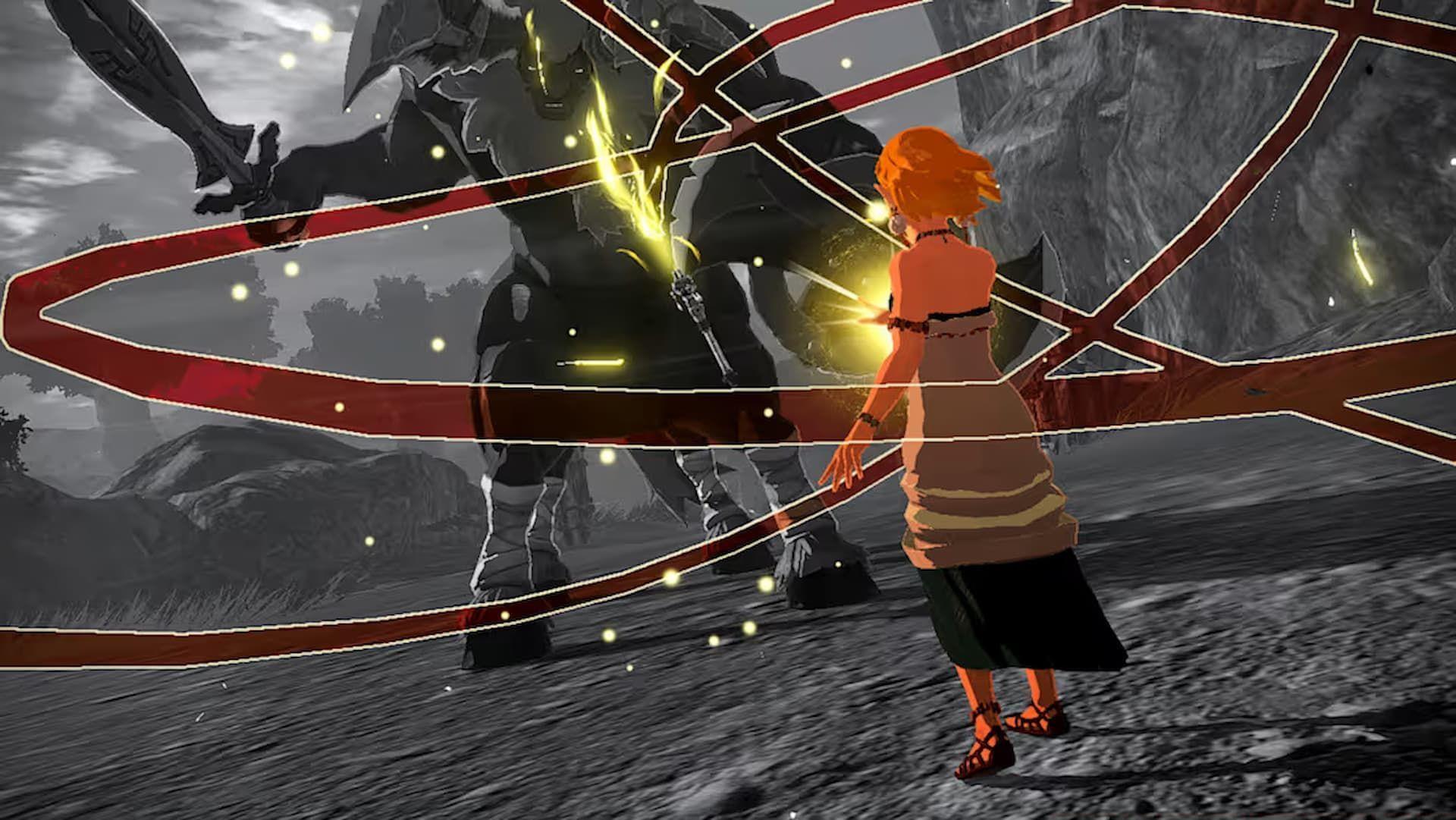
Hyrule Warriors Age of Imprisonment represents a significant leap forward in the Warriors-style gaming experience on Nintendo platforms. Having extensively tested this title, I can confidently state it delivers the most engaging and polished hack-and-slash action available on the Nintendo Switch 2. While it builds upon the foundation established by Hyrule Warriors Age of Calamity, the improvements span both narrative delivery and core gameplay mechanics, creating a more cohesive and satisfying package overall.
Looking for Crossword hints & solutions? Check out latest NYT Mini Crossword Answers, LA Times Crossword Answers, and Atlantic Crossword Answers
The gaming experience in Hyrule Warriors Age of Imprisonment shares some conceptual parallels with Demon’s Souls on PlayStation 5 in terms of its niche appeal and technical showcase potential. This installment serves as an excellent demonstration title for the Nintendo Switch 2, highlighting the hardware’s enhanced capabilities while delivering a specialized gaming experience that will particularly resonate with genre enthusiasts.
Prospective players should understand that this diverges significantly from traditional The Legend of Zelda adventures. The relationship mirrors how Pokken Tournament approaches the Pokémon universe – offering a distinct gameplay style within a familiar setting. Newcomers to the Musou genre should approach with adjusted expectations regarding gameplay structure and combat pacing.
For veterans of previous Hyrule Warriors titles or Dynasty Warriors enthusiasts, this installment delivers substantial refinements across multiple dimensions. The moment-to-moment gameplay feels more responsive, the narrative presentation has been elevated, and quality-of-life improvements address many previous pain points.
Technical Performance and Presentation
From a technical standpoint, Hyrule Warriors Age of Imprisonment stands as one of the most visually impressive first-party titles currently available on the Nintendo Switch 2. The graphical fidelity and performance consistency mark a substantial improvement over previous series entries, with the stable 60fps gameplay creating a smooth and responsive combat experience that significantly enhances player control and visual clarity during intense battle sequences.
However, the presentation approach introduces some notable compromises. The game requires approximately 45 GB of storage space, largely attributable to extensive use of uncompressed pre-rendered cutscenes. This storage footprint may necessitate additional memory card investment for players with extensive digital libraries.
The transition between real-time gameplay and cutscenes presents a jarring experience due to technical inconsistencies. While gameplay maintains a solid 60fps, all pre-rendered sequences operate at 30fps with uneven frame pacing. This contrast becomes particularly noticeable during docked play on 4K displays, where the absence of Variable Refresh Rate (VRR) support magnifies the perceptual difference between these two presentation modes.
Audio presentation demonstrates similar inconsistency. The in-game sound design during combat and exploration features crisp, well-balanced audio with excellent ambient soundtrack integration. Unfortunately, the cutscene audio mixing suffers from balancing issues, with dialogue occasionally competing against background music and sound effects, potentially obscuring important narrative moments.
Practical Performance Tip: For optimal visual experience, consider playing primarily in handheld mode where the screen size reduces the perceptible impact of frame rate transitions between gameplay and cutscenes.
Combat System Evolution
The core combat mechanics in Hyrule Warriors Age of Imprisonment maintain the series’ fundamental approach while implementing thoughtful refinements that streamline the player experience. Rather than overhauling the established formula, the development team has focused on quality-of-life improvements and mechanical additions that enhance depth without complicating accessibility.
Significant interface improvements include the separation of combo extensions from specific dungeon battles. Players can now unlock these capabilities through optional quest completion, reducing frustration from missing hidden combat upgrades and allowing for more flexible progression paths. The control scheme has been notably simplified, with extended combo strings now accessible through strategic use of just the X and Y buttons rather than complex multi-button inputs.
The most impactful additions to the combat repertoire are the elemental chains and sync strikes systems. Elemental chains leverage the new Zonai Devices mechanics, allowing characters to equip multiple devices with different elemental properties simultaneously. This enables strategic layering of elemental debuffs on enemies, creating combo opportunities and tactical advantages against specific enemy types.
Character roster diversity receives a welcome expansion with newcomers like King Rauru and Mineru. Rauru particularly stands out as a dominant force on the battlefield, capable of efficiently clearing enemy masses and challenging bosses when utilized effectively. However, not all character additions resonate equally – the Mysterious Construct feels less intuitive to control and may require additional practice to master effectively.
Advanced Combat Strategy: Maximize elemental chain effectiveness by equipping complementary Zonai Devices that create combination effects. Fire and ice elements, for example, can trigger thermal shock reactions that significantly increase damage output against armored opponents.
Common Mistake to Avoid: Don’t overlook sync strike opportunities during boss encounters. Properly timed partner attacks can break enemy guards and create extended vulnerability windows that dramatically shorten difficult fights.
Narrative Depth and Storytelling
Storytelling represents one of the most substantial improvements in Hyrule Warriors Age of Imprisonment compared to previous series entries. While earlier installments struggled with narrative execution despite extensive cutscene inclusion, this chapter delivers a compelling and well-structured story that effectively maintains player engagement throughout the experience.
The narrative serves as a direct prequel to the events of The Legend of Zelda Tears of the Kingdom, specifically bridging the chronological gap concerning Zelda’s mysterious disappearance and her subsequent reappearance as the dragon carrying the Master Sword. This connective tissue adds meaningful context to the mainline Zelda timeline while standing effectively as a self-contained narrative experience.
While the story doesn’t reach the emotional complexity of narrative-focused titles like Clair Obscur Expedition 33 or The Last of Us, it succeeds in creating genuine investment in key characters and their developmental arcs. The writing effectively balances fan service with original storytelling, providing both familiarity and novelty for series enthusiasts.
Accessibility remains a strength of the narrative design. New players can fully appreciate the story without prior knowledge of Tears of the Kingdom, while returning fans will discover additional layers of character insight and world-building that enrich their understanding of the broader Zelda universe.
Story Engagement Tip: Pay close attention to environmental details and character interactions during gameplay segments, as these often contain subtle narrative elements that enhance the main storyline without interrupting the action flow.
Gameplay Challenges and Difficulty Balance
Despite its many strengths, Hyrule Warriors Age of Imprisonment demonstrates a notable shortcoming in its difficulty scaling and challenge balance. Throughout approximately thirty hours of gameplay, including completion on the Hard difficulty setting, the experience rarely presents significant mechanical challenges or strategic demands that test player skill and adaptation.
The combat loop, while enjoyable and fluid, predominantly revolves around navigating large battlefields as an overwhelmingly powerful character dismantling endless enemy waves with minimal resistance. Even traditionally formidable adversaries like Lionels fail to present meaningful threats, with boss encounters often concluding rapidly through straightforward application of basic combat techniques.
This accessibility-focused design philosophy succeeds in welcoming new players to the Musou genre but may disappoint veterans seeking substantial mechanical mastery challenges. The absence of meaningful difficulty escalation reduces long-term engagement potential for players who derive satisfaction from overcoming progressively demanding combat scenarios.
Difficulty Enhancement Strategy: For players seeking greater challenge, consider implementing self-imposed restrictions such as avoiding elemental chain combinations or limiting weapon upgrades to maintain engagement throughout the campaign.
Common Progression Mistake: Don’t over-invest in early character upgrades. The natural progression system provides ample power increases, and excessive early optimization can further reduce already limited challenge in mid-game encounters.
Final Verdict and Recommendations
Hyrule Warriors Age of Imprisonment stands as an exemplary Musou genre title that refines and improves upon its predecessor in nearly every measurable aspect. The combination of engaging narrative, polished combat mechanics, and technical showcase performance creates a compelling package that represents one of the strongest first-party exclusive experiences currently available on the Nintendo Switch 2.
While the game isn’t without imperfections – notably the inconsistent presentation elements and limited challenge ceiling – these shortcomings don’t fundamentally undermine the core enjoyment factor. The development team has successfully addressed previous criticisms while introducing meaningful innovations that enhance both immediate satisfaction and long-term engagement.
Ideal Player Profile: This title will particularly resonate with existing Musou genre fans, Zelda universe enthusiasts seeking expanded lore, and players valuing accessibility and power fantasy fulfillment over mechanical challenge and difficulty.
Reviewed on: Nintendo Switch 2 (Review code provided by Nintendo)
Platform(s): Nintendo Switch 2
Developer(s): Koei Tecmo Games
Publisher(s): Nintendo
Release date: November 6, 2025
No reproduction without permission:SeeYouSoon Game Club » Hyrule Warriors Age of Imprisonment review: A Musou masterpiece held back by its own ambitions A comprehensive analysis of Hyrule Warriors Age of Imprisonment's improvements, combat innovations, and gameplay considerations