
Master vehicular combat in Death Stranding 2 with advanced weapon tactics, control optimization, and survival strategies
Introduction to Vehicular Combat in Death Stranding 2
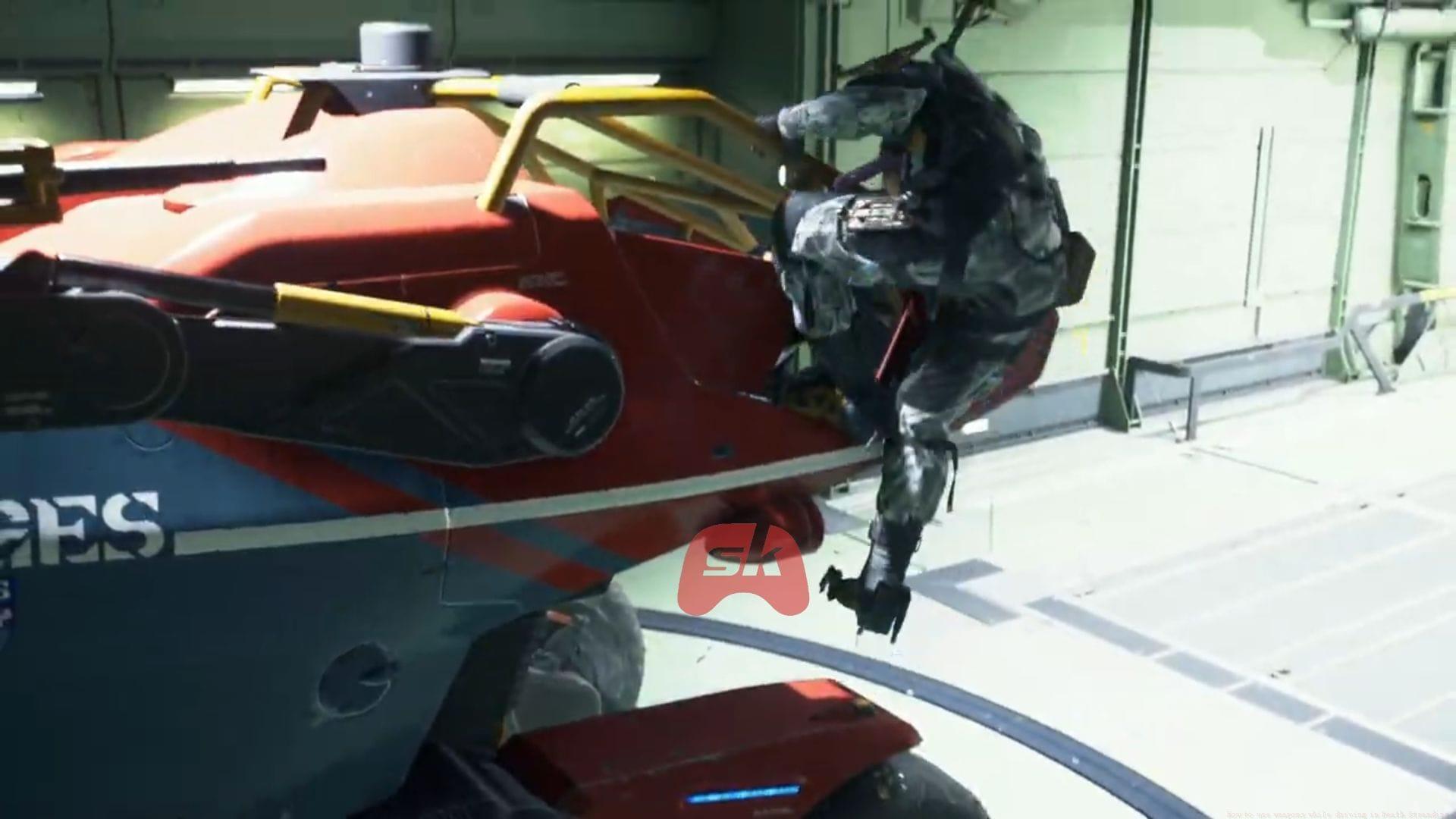
Dynamic combat while operating vehicles represents a revolutionary gameplay evolution in Death Stranding 2. Unlike the first game where most engagements occurred on foot, the expanded open-world environments now demand proficiency with weapons while driving to survive increasingly aggressive enemy encounters. You’re no longer just transporting cargo between waypoints—you’re actively defending yourself against MULE ambushes, navigating through volatile BT territories, and engaging in high-speed chases that test both your driving and shooting skills simultaneously.
The game’s design intentionally makes stationary combat less viable in many regions, forcing players to develop mobile combat expertise. This shift reflects the narrative’s expansion into more dangerous, contested territories where stopping often means becoming an easy target. Mastering this dual-control challenge isn’t just optional—it’s essential for progressing through mid-to-late game content where traditional on-foot combat becomes prohibitively dangerous.
Weapon Controls and Mechanics While Driving
Accessing your combat tools during vehicle operation requires pressing and holding right on the D-pad to activate the radial selection wheel. This interface mirrors the on-foot weapon selection system, allowing immediate access to guns or grenades without menu navigation delays. However, the transition from stationary to mobile combat introduces significant mechanical differences that demand adaptation.
While driving, your aiming capability becomes restricted to approximately a 180-degree forward arc, preventing rear-facing attacks without vehicle repositioning. This limitation forces strategic positioning during engagements—you must keep enemies within your frontal cone while maintaining mobility. The game’s physics engine also applies movement-based accuracy penalties, making sustained fire less effective than controlled bursts.
Firing mechanisms remain consistent with R2 serving as the primary fire button, but control conflict emerges since R1 manages acceleration. This creates a fundamental tension between movement and attack functions. Advanced players develop several techniques to manage this limitation:
- Coast-and-shoot method: Release acceleration momentarily while firing, then resume movement
- Grip-switch technique</strong: Temporarily adjust hand positioning to manage both functions
- Alternating rhythm: Establish patterns of accelerate-shoot-accelerate to maintain both speed and firepower
- Terrain utilization: Use downhill sections for natural acceleration while focusing on aiming
Understanding these control limitations early prevents frustration and enables development of personalized techniques that match your playstyle. Many players initially struggle with simultaneous acceleration and firing, but muscle memory develops surprisingly quickly with deliberate practice.
Optimal Weapon Selection for Mounted Combat
Weapon performance varies dramatically between stationary and mobile use cases in Death Stranding 2. High-velocity vehicles introduce substantial recoil management challenges and targeting difficulties that make certain weapon categories far more effective than others. Through extensive testing, several weapon classes have emerged as superior choices for vehicular engagements.
Assault Rifles, Machine Guns, Machine Pistols, and Rocket Launchers dominate mounted combat effectiveness due to their combination of high ammunition capacity, manageable recoil patterns, and forgiving aiming requirements. These weapons excel because:
- Their automatic or burst-fire modes compensate for movement-induced accuracy loss
- Large magazines reduce reload frequency during extended engagements
- Projectile velocity helps lead moving targets effectively
- Area-of-effect damage (for Rocket Launchers) doesn’t require precision targeting
Conversely, precision weapons like sniper rifles and designated marksman rifles struggle significantly during high-speed movement. Their requirement for steady aiming and single-shot precision contradicts the inherent instability of vehicular travel. Similarly, close-quarters weapons like shotguns prove ineffective except in specific ambush scenarios where you can momentarily stop near enemies.
Strategic weapon switching becomes crucial for advanced vehicular combat. The most effective approach involves:
- Engaging distant targets with assault rifles or machine guns during approach
- Switching to rocket launchers for concentrated area damage when surrounded
- Utilizing machine pistols for finishing damaged enemies at closer ranges
- Having grenades readily accessible for creating defensive barriers or distraction zones
Weapon customization also plays a significant role—attachments like foregrips and muzzle brakes that reduce recoil provide disproportionate benefits during mobile combat compared to stationary use.
Advanced Combat Strategies and Survival Tactics
Vehicle-based combat extends beyond simple shooting mechanics—it requires integrated strategies that combine movement, positioning, and resource management. Enemy impacts while driving can have catastrophic consequences, potentially knocking Sam clean off his vehicle and scattering cargo across dangerous terrain. Preventing these situations demands proactive rather than reactive approaches.
Maintain elevated speed consistently to minimize enemy hit probability. Most human adversaries struggle to track and damage fast-moving targets, making velocity your primary defense. However, this creates ammunition conservation challenges since sustained fire becomes difficult. The solution involves mastering quick burst firing during straightaways while conserving ammunition during turns or complex maneuvers.
Four essential defensive protocols dramatically increase survival rates:
- Sustained forward momentum: Never reverse into contested areas—if you must re-engage, circle around completely
- Preemptive engagement: Begin firing before entering optimal enemy range, especially against MULE patrols or BT formations
- Mobile collection: Master the technique of gathering dropped cargo and Chiral Crystals without dismounting
- Terrain masking: Use natural landscape features to break line-of-sight during reloads or weapon switches
Offensive tactics require equally sophisticated approaches. The most effective vehicular combatants employ:
- Hit-and-run attacks: Strike enemy concentrations then immediately reposition beyond retaliation range
- Baiting maneuvers</strong: Lure enemies into chokepoints where vehicle weapons excel
- Combined arms tactics: Use grenades to create openings for firearm attacks
- Environmental weaponization: Knock enemies into BT areas or hazardous terrain
When situations deteriorate despite these strategies, recognize the tactical advantage of parking behind substantial cover and completing engagements on foot. This hybrid approach often proves more effective than stubbornly attempting vehicular combat in disadvantageous circumstances.
Vehicle Customization for Enhanced Combat
Base vehicles provide limited combat effectiveness, but strategic modifications transform them into formidable weapons platforms. The game’s customization system allows mounting specialized weapon systems that fundamentally change vehicular engagement dynamics. Our comprehensive guide to vehicle-mounted Sticky Cannon and Heavy Machine Gun installations provides detailed implementation instructions, but understanding the strategic implications proves equally important.
Mounted weapons offer several combat advantages over handheld alternatives:
- Dedicated firing controls: Separate from movement inputs, eliminating control conflicts
- Enhanced stability: Vehicle-mounted platforms dramatically reduce recoil
- Increased ammunition capacity: Larger dedicated ammunition reserves
- Superior targeting systems: Often include improved sights or tracking assistance
Defensive vehicle upgrades complement offensive modifications. Reinforced plating, anti-BT shielding, and improved suspension systems all contribute to combat survivability. The most effective builds balance three elements:
- Primary mounted weapon for main engagement capability
- Defensive systems to withstand counterattacks
- Performance modifications to maintain mobility despite added weight
Resource investment in vehicle combat systems pays substantial dividends in hostile regions where traditional combat approaches falter. The initial material and chiral crystal costs seem significant, but the increased survival rate and engagement effectiveness quickly justify these expenditures.
Common Mistakes and Pro Tips
Even experienced Death Stranding players frequently commit avoidable errors when adapting to vehicular combat. Recognizing these pitfalls early accelerates skill development and prevents frustrating cargo losses.
Most Common Vehicular Combat Mistakes:
- Over-committing to engagements: Pursuing enemies beyond tactical advantage zones
- Neglecting ammunition management: Exhausting reserves before reaching safety
- Underestimating turning radius limitations while firing
- Ignoring environmental hazards during combat focus
- Failing to check weapon durability before engagements
Professional Tips for Advanced Players:
- Bind frequently used weapons to specific radial wheel positions for muscle memory development
- Practice combat driving in safer regions before attempting hostile zone navigation
- Always carry at least one explosive weapon for emergency crowd control
- Monitor vehicle damage during engagements—disengage before critical failure
- Use photo mode to study enemy patrol patterns from safe distances
- Master the art of firing during suspension compression for improved accuracy
Resource management represents another frequently overlooked aspect. Always allocate chiral crystals for vehicle repair capabilities before investing in purely offensive upgrades. Damaged vehicles become combat liabilities regardless of their weapon capabilities.
Remember that vehicular combat proficiency develops through deliberate practice rather than innate skill. Begin with simple stationary target practice while driving in circles, gradually progressing to moving targets, then finally to combat scenarios. This incremental approach builds competence without excessive cargo risk.
No reproduction without permission:SeeYouSoon Game Club » How to use weapons while driving in Death Stranding 2 Master vehicular combat in Death Stranding 2 with advanced weapon tactics, control optimization, and survival strategies