
Master the Umamusume Infirmary system with advanced strategies to prevent injuries and maximize training efficiency
Understanding the Infirmary System
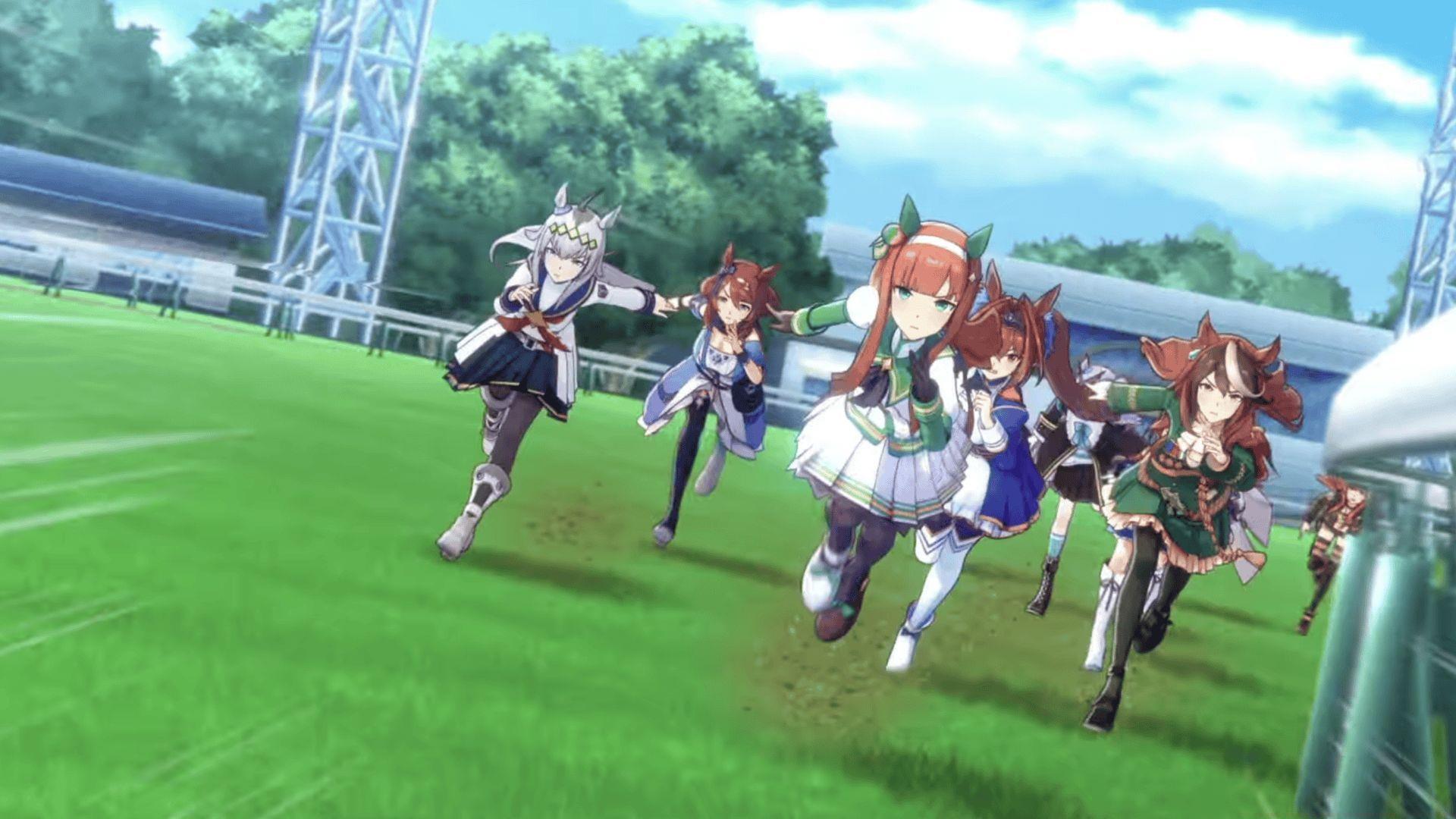
Your racing companion will inevitably face physical strain, overexertion, or unexpected mishaps during intensive training regimens. When injuries occur or peculiar status ailments severely hinder development progress, continuing training becomes counterproductive. This is where the Infirmary serves as your essential recovery facility.
The medical center remains inaccessible until specific health conditions manifest. The interface stays deactivated, preventing premature access until genuine treatment needs arise.
Accessing medical services follows straightforward procedures:
Single visits don’t guarantee permanent solutions. Persistent conditions might require multiple medical consultations. However, this approach remains superior to training through impairments and suffering permanent stat deterioration.
Critical Conditions Requiring Immediate Attention
Status ailments vary significantly in their gameplay impact. While some cause minor inconveniences, others can derail entire training plans. These three specific conditions demand urgent medical intervention:
When these specific conditions appear, consider them emergency situations requiring instant Infirmary utilization. Advanced players recommend treating these within the same turn they appear to minimize training disruption.
Professional Insight: Veteran trainers monitor condition resistance stats through support cards and inheritance traits to reduce occurrence rates of these game-changing debuffs.
Advanced Infirmary Strategies
Understanding the distinction between fatigue and medical conditions separates novice trainers from experts. Remember that standard fatigue management differs completely from injury treatment. Low energy levels without specific conditions respond better to standard Rest options. Additionally, never postpone necessary treatments anticipating spontaneous recovery – these conditions persist indefinitely without active intervention.
Strategic Timing: Schedule Infirmary visits before important stat-building phases. If you anticipate speed training segments, ensure all speed-related debuffs get treated beforehand. Similarly, address stamina issues before endurance-focused training blocks.
Resource Calculation: Weigh the opportunity cost of lost training turns against potential stat losses from untreated conditions. Sometimes, sacrificing one turn for treatment prevents losing multiple turns worth of stat gains.
Read more: Best Taiki Shuttle build guide in Umamusume: Pretty Derby
Proactive Injury Prevention
Frequent condition occurrences indicate underlying training management issues. Consider integrating support cards specializing in injury reduction or enhanced recovery capabilities. Additionally, scrutinize your training schedule intensity and sequencing</strong. Consecutive high-intensity sessions without adequate recovery dramatically increase debuff acquisition probabilities.
Support Card Optimization: Prioritize cards with “Injury Rate Down” or “Recovery Skill” abilities. The [Insert Support Card Name] provides excellent protection against common training injuries when maxed out.
Training Load Management: Implement periodization principles by alternating heavy and light training days. This approach reduces cumulative fatigue that often triggers debilitating conditions.
Environmental Factors: Certain weather conditions and track types increase specific injury risks. Adapt your training intensity accordingly during high-risk scenarios.
The medical facility exists for strategic utilization. Employ it intelligently. Rehabilitate your Umamusume properly, restore competitive condition, and dominate racing events.
Also read: Best Silence Suzuka build guide in Umamusume: Pretty Derby
For more articles on Umamusume: Pretty Derby, follow Sportskeeda:
No reproduction without permission:SeeYouSoon Game Club » How to use the Infirmary in Umamusume: Pretty Derby Master the Umamusume Infirmary system with advanced strategies to prevent injuries and maximize training efficiency