
Master the Odradek scanner in Death Stranding 2 with advanced terrain analysis and BT detection techniques
Odradek Fundamentals: Your Essential Survival Companion
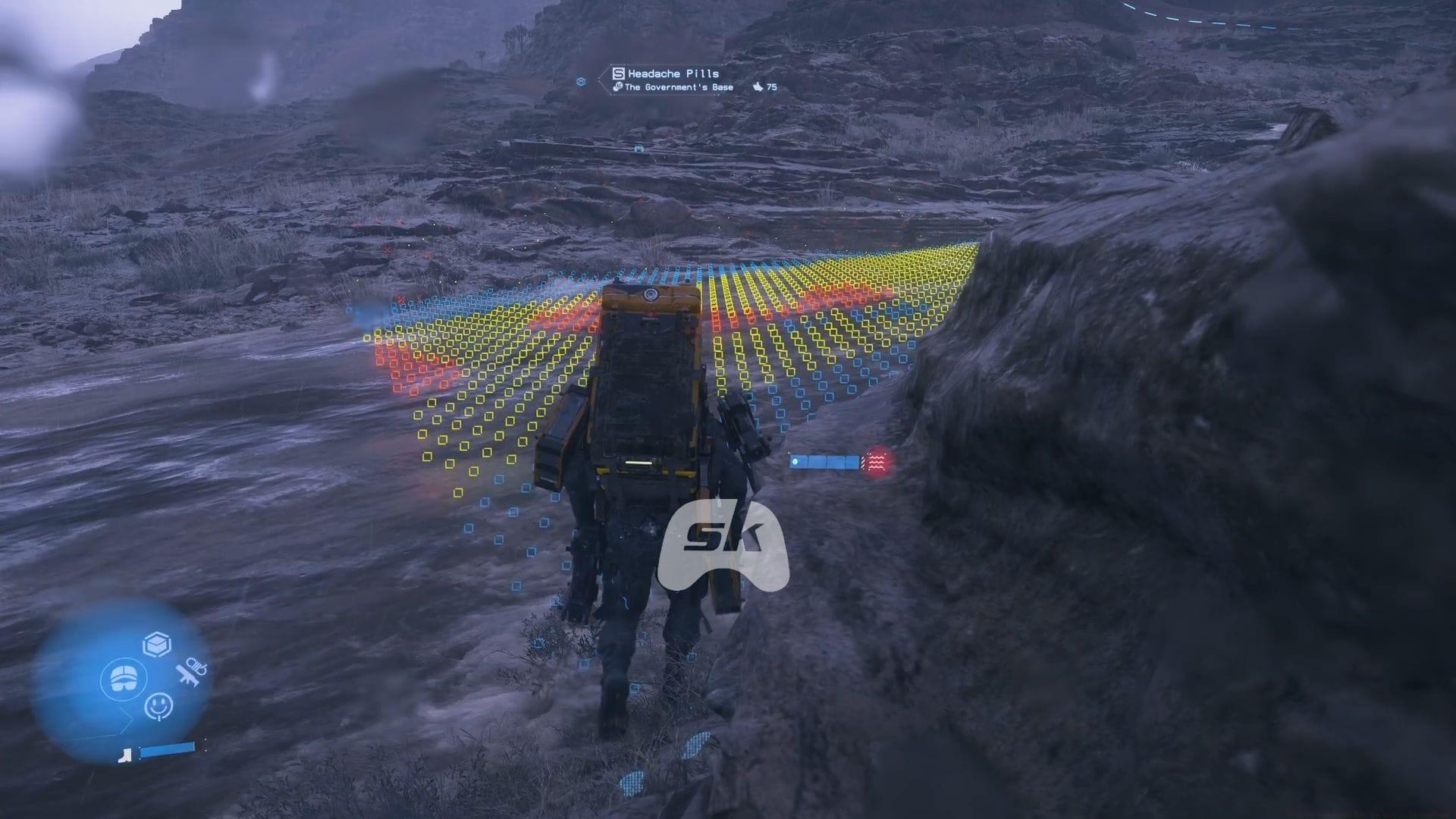
The Odradek scanning device serves as Sam’s primary environmental analysis tool throughout his journey. Unlike combat-focused gear, this sophisticated scanner provides continuous situational awareness by mapping terrain hazards, locating resources, and detecting spectral threats. Veteran porters consider it their most trusted companion for navigating Death Stranding 2’s unpredictable landscapes.
Scanner functionality adapts dynamically based on your movement state. When stationary, the Odradek performs deep environmental analysis with precise threat detection capabilities. While moving, it switches to continuous terrain assessment mode, providing real-time navigation data. Understanding this dual-mode operation is crucial for effective exploration and survival.
Related reading — Death Stranding 2 review: The stick, the rope, and the sequel that embodies it all
Environmental scanning reveals critical resources through distinctive iconography. Scan pulses generate holographic markers that identify dropped cargo containers, raw material deposits, and structural elements. This detection system ensures delivery personnel never overlook valuable supplies during expeditions, significantly improving mission efficiency and resource acquisition.
Terrain Analysis and Water Navigation Systems
Aquatic terrain assessment represents one of Odradek’s most vital functions. The scanner projects color-coded holograms onto water surfaces indicating depth and current strength:
- Blue circular indicators: Shallow, stable crossings where Sam maintains full mobility without balance concerns
- Yellow square markers: Moderate depth requiring careful navigation – utilize L2 + R2 balance control to prevent stumbling
- Red square warnings: Hazardous deep water with strong currents that can sweep Sam away, necessitating alternative routing
This color-coded system becomes particularly valuable during premium delivery missions where cargo condition directly impacts performance ratings. Maintaining dry goods prevents container damage and ensures S-Rank achievement.
Terrain instability manifests as crimson warnings on rocky inclines and unstable slopes. The Odradek identifies areas where footing becomes precarious, especially when carrying heavy loads or lacking specialized traction gear. While L2 + R2 stabilization assists navigation, experienced porters often recommend circumnavigating these zones entirely to avoid unnecessary risks.
Pro Tip: Scan approaching riverbanks from elevated positions to assess crossing viability before committing to descent. This preemptive analysis prevents unexpected rerouting while carrying fragile cargo.
Advanced BT Detection and Threat Assessment
Beached Thing detection requires specific operational protocols for accurate threat assessment. When spectral activity is suspected, immediate cessation of movement activates the Odradek’s specialized paranormal sensor array. The device physically orients toward nearby entities through distinctive rotational movements and directional pointing.
Environmental correlation enhances detection accuracy. Combine Odradek readings with BB’s emotional responses and visual cues like tar seepage or floating particulate matter. This multi-source threat assessment provides comprehensive situational awareness regarding phantom proximity and numbers.
Critical Operational Note: Scanner mobility directly impacts detection precision. Any movement during active BT scanning introduces positional inaccuracy, potentially placing you dangerously close to invisible threats. Always establish complete stillness before initiating spectral analysis.
Advanced Technique</strong: Master the 'scan-pause-move' rhythm: perform quick scans while stationary, memorize threat locations, then move cautiously between scanning positions. This method maintains awareness while minimizing exposure time in contaminated zones.
Pro Strategies and Common Mistakes to Avoid
Optimizing Odradek usage separates novice porters from delivery professionals. Regular scanning intervals prevent oversight of hidden cargo and environmental changes. Establish a rhythm of scanning every 15-20 seconds during exploration and before entering unfamiliar terrain.
Common Scanner Errors:
- Attempting BT detection while moving results in false negatives
- Ignoring yellow terrain warnings when overloaded leads to falls
- Failing to scan water approaches causes unexpected rerouting
- Over-reliance on scanner without environmental observation
Load management significantly impacts scanner effectiveness. Heavy cargo loads reduce stability on warned terrain, increasing fall probability. Consider making multiple trips or utilizing support gear when navigating hazardous zones with valuable shipments.
Remember the Odradek’s limitations: it cannot detect timefall shelters beyond visual range, predict weather changes, or identify human threats. Combine scanner data with traditional observation skills for comprehensive survival strategy.
For continued mastery of Death Stranding 2 mechanics, explore these essential guides:
- Where is Tarman’s Hand in Death Stranding 2?
- How to build a bridge in Death Stranding 2
- 5 best tips and tricks for Death Stranding 2 beginners
- What is Motherhood Password in Death Stranding 2?
- All Death Stranding 2 difficulty levels, explained
- How to check map in Death Stranding 2
- All Death Stranding 2 Controls: Movement, vehicle, and more
- How to dispose of corpses in Death Stranding 2
No reproduction without permission:SeeYouSoon Game Club » How to use Odradek in Death Stranding 2 Master the Odradek scanner in Death Stranding 2 with advanced terrain analysis and BT detection techniques