
Master engine maintenance in RV There Yet: location, repair strategies, and expert tips for survival
Understanding RV There Yet’s Critical Engine Mechanics
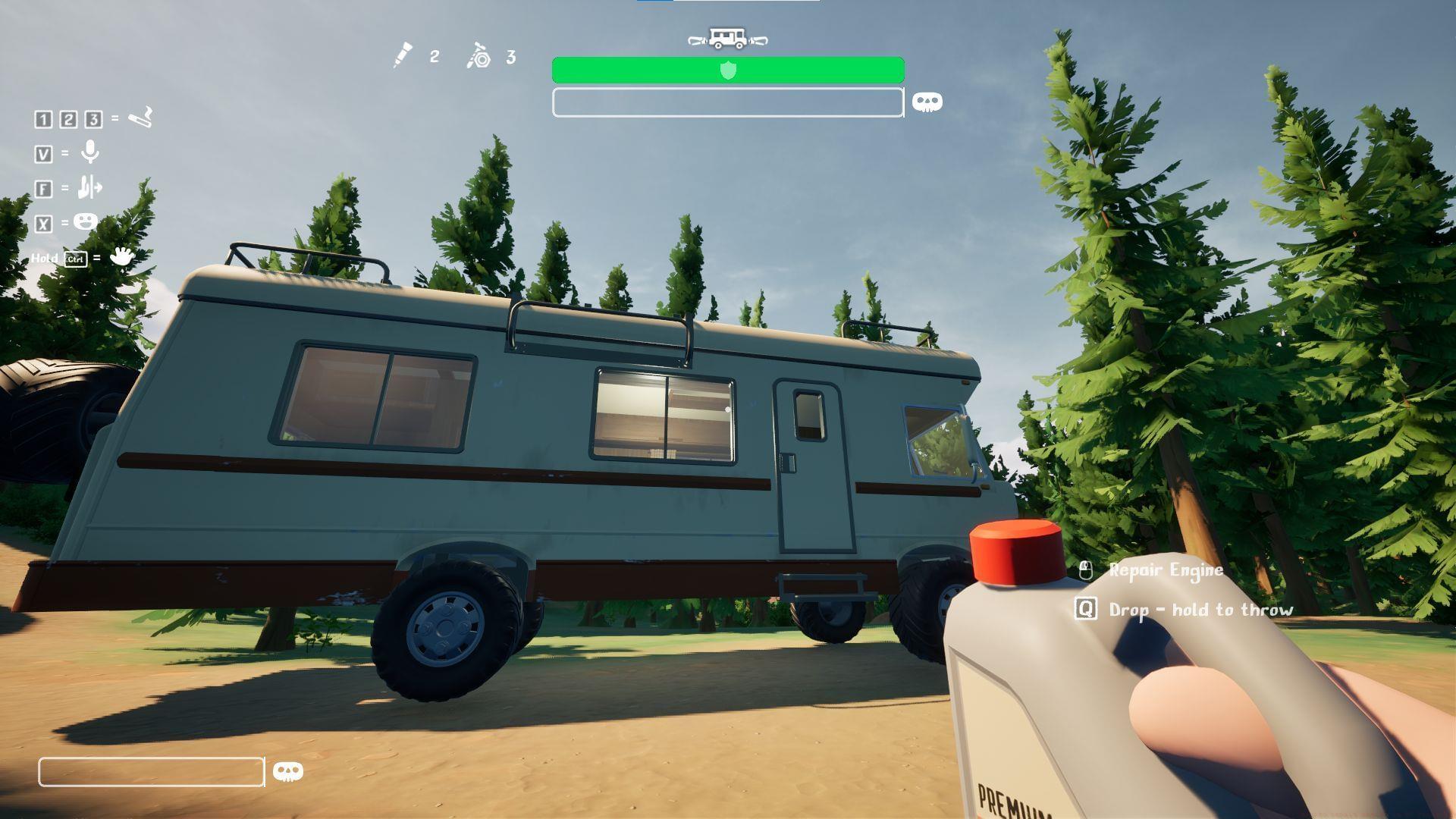
RV There Yet employs a sophisticated vehicle degradation system that demands constant attention to your engine’s condition. Unlike many survival games where vehicles are relatively durable, this title introduces realistic mechanical wear that can abruptly end your journey. The engine’s oil consumption follows a predictable depletion cycle, but external factors like terrain difficulty and driving style accelerate this process dramatically.
What makes the mechanic particularly punishing is the cascade failure system. Minor collisions that might seem insignificant in other games can trigger critical damage here, while the oil depletion timer continues running regardless of your situation. Ignoring the initial warning indicators for even brief periods leads to complete engine seizure, forcing an inconvenient reset to your last checkpoint and potentially losing valuable progress.
Complete Engine Location and Access Guide
Locating your RV’s power source requires understanding the vehicle’s unconventional design. Contrary to most vehicles where engines are front-mounted or easily accessible, the entire compartment is strategically positioned beneath the sleeping area at the very rear of the vehicle. This placement affects both gameplay strategy and emergency response procedures.
Accessing the engine involves a specific sequence: navigate to the living quarters, locate the bed structure, and activate the hidden hatch mechanism. The compartment reveals the engine components directly, allowing immediate interaction for oil replenishment. A critical design limitation is the complete absence of external maintenance ports, meaning all repairs must be conducted from inside the RV’s cabin area.
This architectural constraint introduces valuable cooperative gameplay opportunities. While the driver focuses on navigation, passengers can assume engineering roles, monitoring engine status and performing maintenance without stopping the vehicle. This division of labor becomes crucial during time-sensitive missions or when traversing dangerous territories where stopping isn’t advisable.
Step-by-Step Engine Repair Protocol
Successfully managing engine emergencies requires methodical preparation and execution. Begin by establishing a robust supply chain – always maintain multiple Motor Oil bottles strategically stored on accessible shelves rather than scattered throughout storage. This foresight prevents frantic searching during critical moments when seconds determine survival.
When the distinctive warning alert flashes on your interface, immediate action is non-negotiable. Safely bring your vehicle to a complete stop before attempting any repairs, as movement during the oil replenishment process can cause spillage or incomplete treatment. Equip the oil bottle from your inventory and approach the engine compartment with precision.
The repair interaction involves a multi-stage process: first exposing the engine through the hatch mechanism, then positioning yourself for optimal access, and finally initiating the pouring action through the designated interaction button. Continue this procedure until both the visual and auditory warning signals cease completely, indicating successful system restoration.
Advanced Maintenance Strategies and Optimization
Beyond basic repairs, seasoned players develop sophisticated damage mitigation techniques. The most effective strategy involves proactive terrain assessment and route planning to minimize high-impact collisions. Remember that severe damages demand exponentially more resources – what might require one bottle for minor issues could consume three or four bottles after a major incident.
Resource management extends beyond mere accumulation. Develop a replenishment rhythm: after using two bottles, immediately prioritize restocking during your next safe opportunity. Establish designated oil storage zones near the engine compartment for rapid access during emergencies, and consider assigning specific team members to inventory management duties.
Advanced coordination tactics include establishing clear communication protocols for engine status updates. Designate a “chief engineer” role in multiplayer sessions who monitors gauge readings and provides regular reports. This specialization allows the driver to concentrate fully on navigation while ensuring mechanical issues are addressed before reaching critical levels.
Also read: Best graphics settings for RV There Yet
Check out our other articles from this title:
No reproduction without permission:SeeYouSoon Game Club » How to repair engine in RV There Yet Master engine maintenance in RV There Yet: location, repair strategies, and expert tips for survival