
Comprehensive guide to understanding, preventing, and curing the Corruption status effect in Wuchang: Fallen Feathers
Understanding Corruption Mechanics
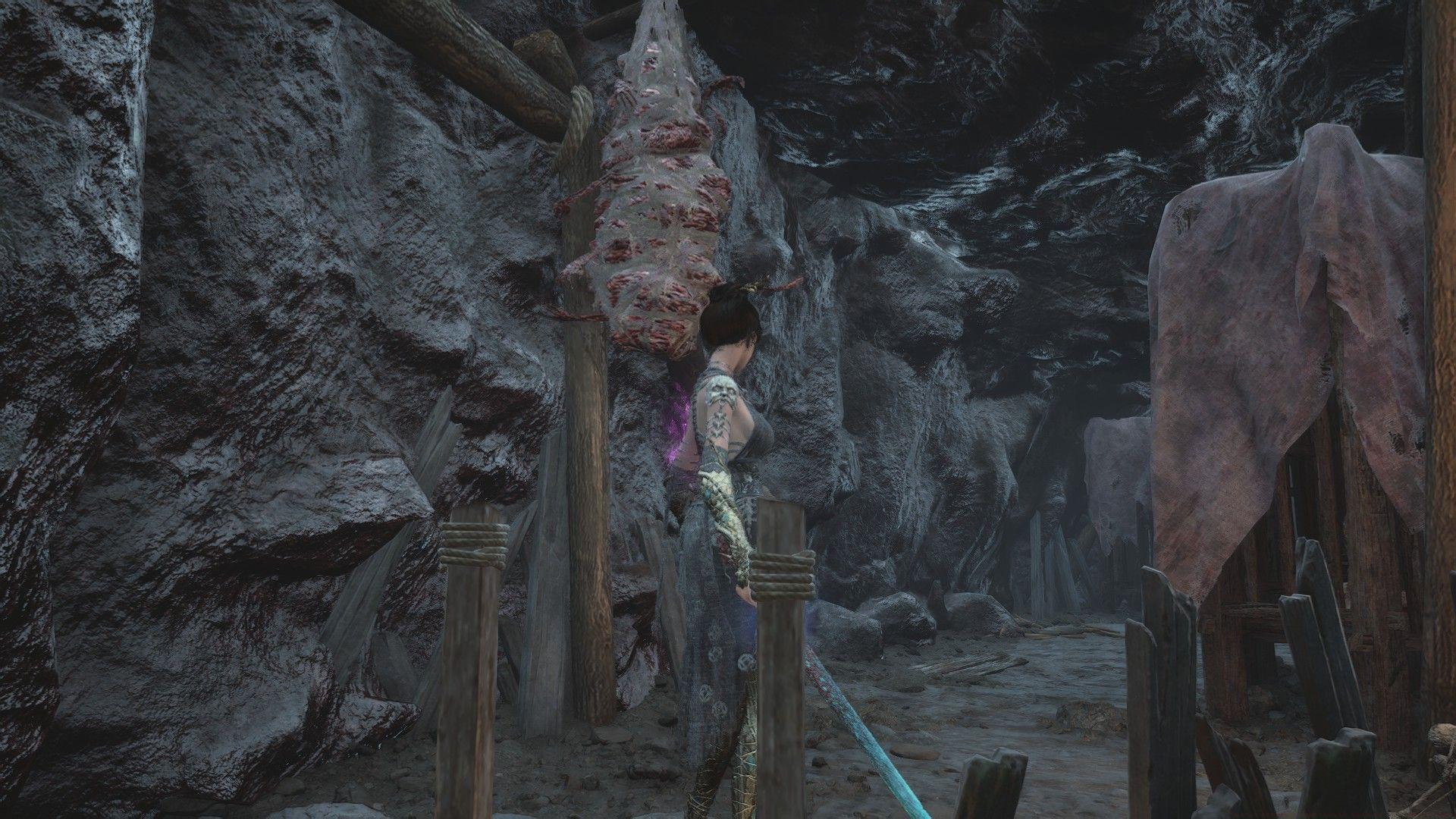
Corruption represents one of the most dangerous mechanical threats in Wuchang: Fallen Feathers, functioning as a persistent damage-over-time debuff that gradually erodes your health pool. Unlike temporary status effects, Corruption maintains its drain effect until actively removed, creating constant pressure during exploration and combat encounters.
The visual identification system uses a distinctive purple-colored meter that fills progressively as Corruption accumulates. This meter serves as your primary warning system, with different fill levels indicating varying degrees of severity. At maximum accumulation, the health drain accelerates significantly, potentially overwhelming even well-prepared players.
Understanding the interaction between Corruption and healing mechanics proves crucial. Your Manna Vessel provides baseline recovery, but severe Corruption accumulation can outpace its healing capabilities, creating situations where standard recovery methods become insufficient. This forces players to develop more sophisticated survival strategies beyond simple health management.
Corruption Sources and Threats
Environmental hazards represent consistent Corruption threats throughout your journey. Purple mist formations linger in specific map regions, creating invisible barriers that inflict gradual buildup when traversed. These environmental hazards often guard valuable resources or alternate pathways, forcing risk-reward calculations during exploration.
Enemy combatants, particularly those transformed by the Feathering curse, possess inherent Corruption-inflicting capabilities. Their attack patterns often include area-of-effect abilities that bypass standard defenses, requiring evasive maneuvers rather than blocking. The Feathering transformation appears to amplify their Corruption output, making these enemies priority targets in group encounters.
Boss encounters introduce specialized Corruption mechanics that demand pattern recognition and adaptation. The Feathered Priest – Lu Bingzhang, serving as the game’s second major boss, integrates Corruption into his core combat rotation. His blood pool attacks at Doomwillow Beach create persistent environmental hazards that accumulate Corruption rapidly, transforming the battlefield dynamically throughout the encounter.
Advanced players should note that Corruption sources often work in combination, with environmental hazards enabling enemy attacks to stack the effect faster. This synergistic threat requires comprehensive situational awareness rather than isolated threat management.
Prevention and Resistance Strategies
Strategic armor selection provides your primary defense against Corruption accumulation. The Night Spectre Robes, available through pre-order bonuses, offer exceptional resistance properties that significantly reduce buildup rates from all sources. However, multiple armor sets throughout the game provide varying resistance levels, allowing for build diversity based on playstyle preferences.
Environmental awareness and navigation tactics form your second layer of defense. Learning to identify Corruption hazard patterns before engagement allows for route planning that minimizes exposure. Many purple mist formations follow predictable spawn and dispersion cycles, creating windows for safe passage when timed correctly.
Combat positioning against Corruption-inflicting enemies requires maintaining optimal distance while prioritizing elimination of supporting enemies first. The Feathering-afflicted enemies often telegraph their Corruption attacks with distinctive animation cues, providing reaction opportunities for experienced players.
Advanced resistance strategies include combining specific armor pieces for set bonuses that enhance Corruption resistance beyond individual item values. Some late-game armor combinations can nearly eliminate environmental Corruption buildup, though they typically sacrifice other defensive or offensive capabilities.
Curing Corruption Effects
The Purple Camelia flower serves as your primary curative resource against established Corruption effects. Functioning as a consumable item with limited availability, its usage requires strategic timing rather than immediate application. The animation and consumption time creates vulnerability windows, making combat usage risky without proper setup.
NPC interactions throughout the game world provide supplemental sources of Purple Camelia. Regular dialogue with characters encountered during exploration can yield these valuable resources, though the distribution appears randomized within certain parameters. Building relationships with specific NPC types increases acquisition chances.
Consumable management becomes crucial for Corruption control. Carrying multiple Purple Camelia allows for emergency usage, but inventory space constraints force prioritization decisions. Advanced players often maintain a minimum of two flowers while allocating remaining space to other essential items.
Emergency measures when lacking curatives include retreating to safe zones where Corruption naturally dissipates over time. While slower than consumable usage, this approach conserves resources for critical combat situations. Some sanctuary areas provide accelerated Corruption cleansing without resource expenditure.
Advanced Combat Strategies
Boss-specific countermeasures require adapting standard Corruption management approaches. Against Lu Bingzhang, prioritizing mobility over aggression during blood pool phases prevents rapid accumulation. His attack patterns create temporary safe zones that observant players can exploit while managing their Corruption levels.
Resource allocation decisions become increasingly important during extended encounters. Balancing Purple Camelia usage between preventive measures and emergency recovery requires understanding each boss’s corruption output patterns. Some phases inflict predictable Corruption spikes that justify preemptive consumption.
Endgame preparation involves developing Corruption resistance through multiple character progression systems. Beyond armor choices, certain character upgrades and skill tree selections provide passive resistance bonuses that complement equipment-based defenses. This layered approach creates more flexible build options for post-game content.
Master-level strategies incorporate environmental manipulation to minimize Corruption exposure. Using terrain features to block mist dispersion or lure enemies away from hazardous areas reduces dependency on curative items. This spatial awareness separates novice and expert players in Corruption management.
No reproduction without permission:SeeYouSoon Game Club » How to remove Corruption in Wuchang: Fallen Feathers Comprehensive guide to understanding, preventing, and curing the Corruption status effect in Wuchang: Fallen Feathers