
TL;DR
- Prioritize non-native fruit cultivation for 500 bells per fruit versus 100 for native varieties
- Always check for Flick and CJ visitors who pay 50% premium for bugs and fish respectively
- Master the rock mining technique for guaranteed 16,100 bells daily income
- Never sell crafting materials raw – craft hot items for double value
- Use Nook Miles Tickets strategically for high-value resource islands
Building substantial wealth in Animal Crossing: New Horizons requires understanding the game’s economic systems and implementing strategic approaches. Unlike many games where currency accumulation is straightforward, AC:NH demands careful planning and knowledge of multiple income streams to maximize your daily bell earnings.
Bells serve as the primary currency for purchasing furniture, clothing, infrastructure upgrades, and repaying your ever-expanding loans to Tom Nook. While basic methods provide steady income, advanced techniques can dramatically accelerate your financial growth and island development timeline.
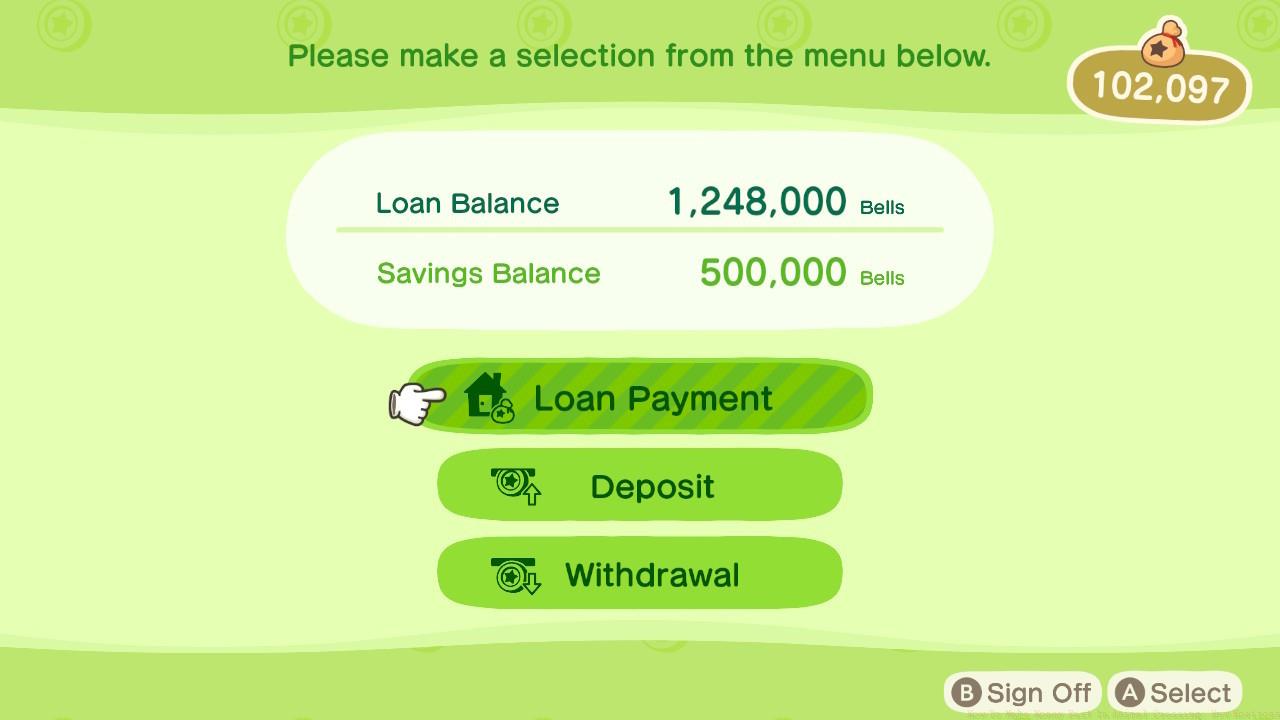
Critical financial management insight: Your pockets can only accommodate 99,999 bells simultaneously. Utilize the Nook Stop terminal at Resident Services for secure storage, preventing wasted pocket space. Strategic saving often outweighs immediate debt repayment, as surprise high-value items in Nook’s Cranny or from visiting merchants require immediate capital access.
Common beginner mistake: Selling raw crafting materials like wood, iron, or stone provides minimal returns compared to crafting them into hot items. Always check daily hot items at Nook’s Cranny before liquidating any resources.
Each island features one native fruit type—apples, oranges, peaches, cherries, or pears—which sell for a modest 100 bells each. The real profit potential emerges through acquiring and cultivating non-native varieties, which command 500 bells per fruit, creating a 5x multiplier on your agricultural income.
Non-native fruit acquisition occurs through three primary channels: Trading with players from different fruit islands, utilizing Nook Miles Tickets for mystery island tours, or receiving a small starter supply from your in-game mother during early gameplay stages.
Pro tip: Immediately plant any non-native fruit you acquire to establish permanent orchards. A single non-native fruit tree yields three fruits every three days, creating a renewable 1,500-bell income source per harvest cycle. With careful orchard planning, you can generate tens of thousands of bells every few days with minimal ongoing effort.
Cross-island trading optimization: If visiting a friend’s island with different native fruit, bring your own harvest to sell at their Nook’s Cranny. This approach bypasses the 100-bell native fruit penalty entirely. Coconuts, available on beach areas of most islands, provide intermediate value at 250 bells each and grow reliably on sand terrain.
Advanced technique: Coordinate fruit exchanges within gaming communities to rapidly acquire all fruit types. Maintaining diverse orchards ensures you always have high-value inventory ready for market fluctuations.
Fishing and bug catching represent the most consistent daily income sources, but strategic management separates casual players from bell millionaires. Begin by understanding value tiers—common species like common butterflies or horse mackerel yield minimal returns, while rare specimens like emperor butterflies or coelacanths can net 2,500-15,000 bells each.
Inventory management protocol: When pocket space becomes limited during extended catching sessions, prioritize releasing lower-value specimens. This becomes particularly crucial during mystery island expeditions where limited inventory slots must be reserved for premium wildlife.
Essential reference tools: Consult comprehensive fish and bug price guides before major catching sessions. Knowing that a tarantula (8,000 bells) outweighs 40 common butterflies (4,000 bells total) informs smarter catching decisions.
Critical daily routine: Before selling any aquatic or insect specimens, thoroughly scan your island for special visitors Flick or CJ. These character offer massive 150% payouts compared to standard Nook’s Cranny rates. Flick purchases bugs while CJ specializes in fish—both remain available until 5 AM the following day once they appear.
Visitor location patterns: Flick typically wanders randomly throughout your island, while CJ consistently positions himself near water sources like rivers, ponds, or oceanfront areas.
Advanced strategy: On days when either visitor appears, prioritize extensive catching sessions focused on their specialty. Stockpile high-value specimens throughout the day, then liquidate your entire collection directly to them before their departure.
Common pitfall: Avoid using the after-hours drop box at Nook’s Cranny, which deducts a 20% convenience fee. Instead, store creatures in your home storage or outside your house until shop reopening.
Once Nook’s Cranny becomes operational, Timmy and Tommy introduce a daily ‘hot item’ rotation—crafted goods they purchase at double standard market value. These items consistently derive from DIY recipes you’ve already unlocked, ensuring accessibility.
Strategic approach: Always craft and test-sell one hot item to determine its base value before mass production. High-value hot items like ironwood furniture or gold tools can yield 5,000-20,000 bells each when crafted during their featured days.
Resource conservation principle: Never sell raw crafting materials like wood, iron nuggets, or stone directly. The value multiplication through hot item crafting typically generates 2-4x higher returns than material liquidation.
Pro tip: Maintain organized storage of common crafting materials, prioritizing space for iron, wood varieties, and seasonal resources. When a high-value hot item appears, you’ll have immediate production capacity to capitalize on the opportunity.
Common optimization error: Players often underestimate the profit potential of seemingly simple hot items. A ‘log stool’ hot item might seem mundane but at double value could net 1,400 bells versus 300 bells for its component materials.
Advanced technique: Track hot item patterns over multiple weeks to identify frequently recurring high-value items. Pre-craft components during downtime to enable rapid assembly when profitable rotations occur.
Your island contains six rocks daily, with one designated as the ‘money rock’ that produces currency instead of materials when struck. Mastering the extraction technique guarantees 16,100 bells every morning—a substantial foundation for daily income.
Optimal rock hitting methodology: Position yourself adjacent to the rock, then dig two or three holes behind your character to prevent knockback. This positioning enables rapid consecutive strikes without repositioning.
Execution technique: Employ a shovel for maximum efficiency and strike the rock eight times rapidly. The money rock yields diminishing returns with each hit, starting with 100 bells and decreasing to the final 8,000-bell payout on the eighth strike.
Money tree mechanics: Daily glowing ground spots initially provide 1,000 bells when dug up, but their true potential emerges when you reinvest by burying money. The burial amount determines your eventual return with specific optimal investment thresholds.
Advanced investment strategy: Bury 10,000 bells for guaranteed 30,000 bell return—a 20,000 profit. Higher investments carry risk, as returns cap at 30,000 bells regardless of initial investment beyond 10,000.
Critical limitation awareness: Money trees produce one harvest only before converting to standard hardwood trees. Mark these trees or maintain a dedicated orchard area to track which trees remain productive.
Common mistake: Players often hit rocks after consuming fruit, which destroys the resource entirely. Always ensure your fruit meter reads zero before engaging in rock-based activities.
Mystery island expeditions via Nook Miles Tickets offer unparalleled profit potential through specialized island types. Certain rare islands feature exclusive fish, bugs, or resources unavailable on your home island, creating premium profit opportunities.
Tarantula/Scorpion island creation: By clearing all resources from standard islands during evening hours, you can force-spawn valuable arachnids worth 8,000 bells each.
Stalk Market fundamentals: Purchase turnips from Daisy Mae on Sunday mornings, then monitor daily price fluctuations at Nook’s Cranny throughout the week. Strategic selling during price spikes can generate returns exceeding 500% on initial investment.
Balloon present strategy: Listen for distinctive wind sounds indicating gift-bearing balloons. These typically spawn every 5-10 minutes from one coastline direction, alternating throughout the day.
Advanced Stalk Market technique: Coordinate with trading communities to visit islands experiencing peak turnip prices. Some players report selling for 600+ bells per turnip, transforming modest investments into millions.
Risk management: Turnips spoil the following Sunday, creating a hard deadline for liquidation. Never time travel backward while holding turnips, as this immediately ruins your entire inventory.
For comprehensive strategies on maximizing your gameplay across all systems, consult our Complete Guide to advanced gaming mechanics.
For specialized equipment acquisition methods, our Weapons Unlock guide provides detailed progression pathways. Understanding Class Guide fundamentals enhances your strategic approach to resource management.
Action Checklist
- Hit money rock using hole-digging technique for 16,100 bells
- Check for Flick or CJ visitors and prioritize catching their specialty creatures
- Identify and craft daily hot items using stored materials
- Harvest non-native fruits and replant immediately
- Check turnip prices if participating in Stalk Market
- Bury 10,000 bells in glowing spots for money trees
No reproduction without permission:SeeYouSoon Game Club » How To Make Money Fast In Animal Crossing: New Horizons Master Animal Crossing: New Horizons money-making strategies with advanced techniques and daily optimizations