
TL;DR
- Pearls are ultra-rare ocean resources required for mermaid-themed DIY crafting
- Two official methods exist: ocean diving for random finds and trading scallops with Pascal
- Daily diving consistency and proper bubble identification significantly improve success rates
- Time travel enables multiple Pascal encounters but carries gameplay consequences
- Strategic preparation and persistence yield better results than random searching
Pearls represent one of the most elusive resources in Animal Crossing: New Horizons, serving as essential components for constructing the summer update’s enchanting mermaid-themed furniture and clothing. These iridescent treasures possess an exceptionally low spawn rate, making systematic collection crucial for players aiming to complete their underwater-inspired DIY sets. Understanding their scarcity and proper utilization will transform your approach to marine resource gathering.
For optimal pearl hunting preparation, begin by acquiring a wet suit from Nook’s Cranny for 3,000 Bells or using Nook Miles at the Resident Services terminal. This essential gear enables ocean exploration where pearls exclusively reside. Many players overlook that wearing the swimsuit automatically puts you in swimming mode when approaching the shoreline, streamlining your diving sessions.
The mermaid furniture collection demands substantial pearl investment, with individual pieces requiring between one and three pearls alongside other sea creatures. This crafting requirement underscores why developing efficient collection strategies becomes paramount for dedicated interior designers and completionists alike.
Ocean diving presents your primary method for discovering pearls organically. When swimming in coastal waters, watch carefully for distinctive bubble columns rising to the surface—these indicate buried sea creatures below. Dive at these locations and pursue the shadowy forms until captured. While you’ll typically retrieve one of the forty new marine species introduced in the summer update, persistent divers occasionally surface with the coveted pearl.
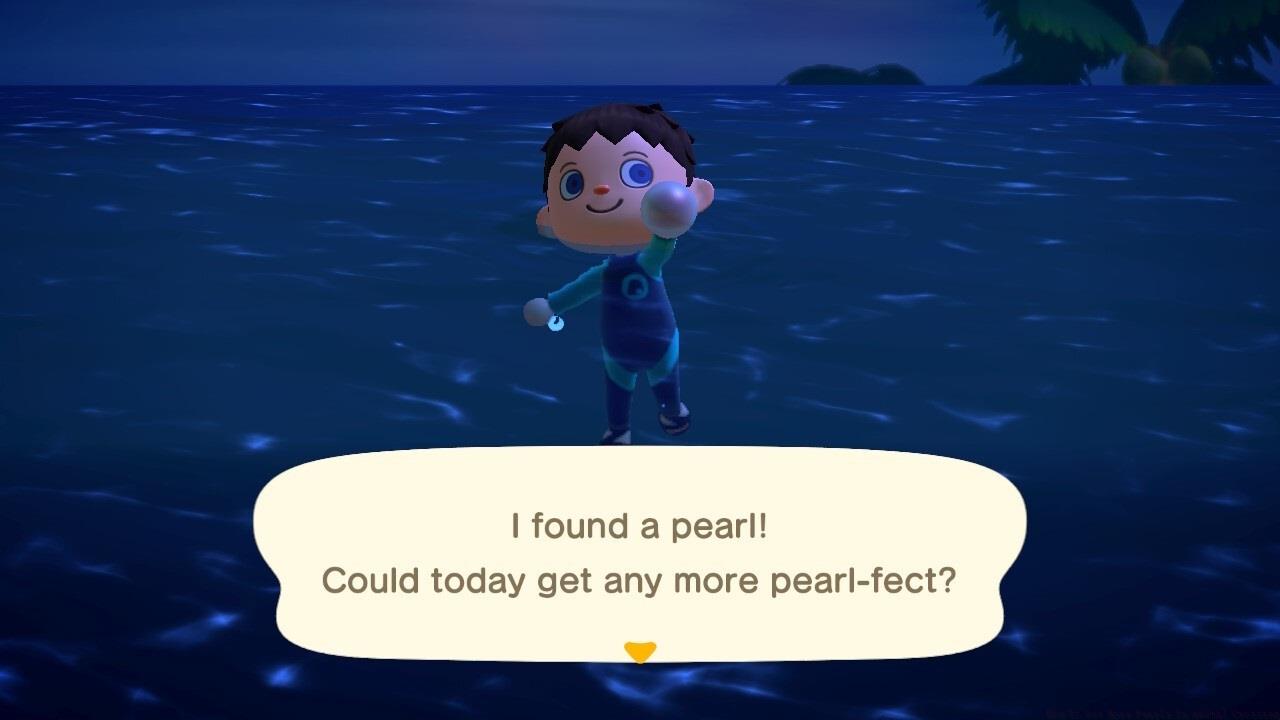
Identifying pearl-producing bubble patterns requires careful observation.
These two approaches constitute the only developer-sanctioned pearl acquisition methods currently available in New Horizons. Neither demands specialized tools beyond the basic wet suit, but successful implementation hinges on recognizing optimal diving conditions and understanding Pascal’s unpredictable appearance mechanics.
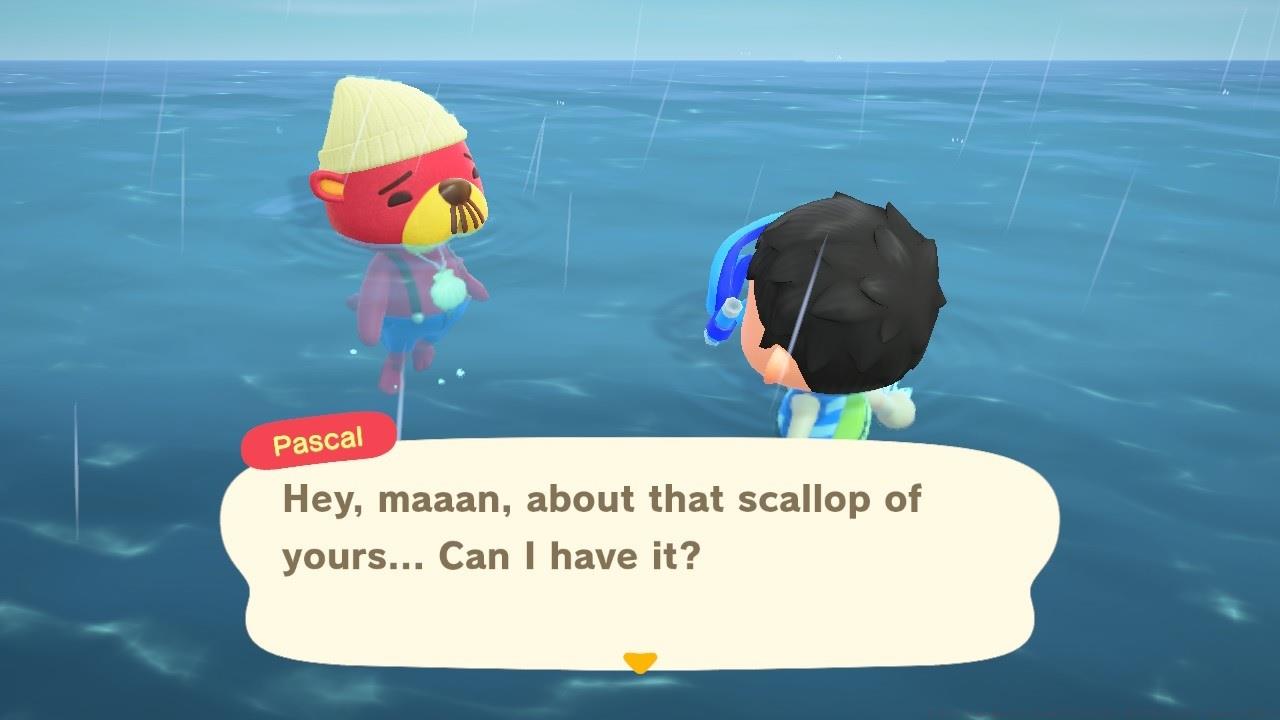
Pascal’s trading preferences remain mysterious, making each encounter unpredictable.
No legitimate pearl farming mechanism exists within New Horizons’ intended gameplay systems. Players seeking accelerated acquisition typically resort to ‘time traveling’—manipulating their Nintendo Switch’s internal clock to bypass natural time progression. This controversial technique enables multiple Pascal encounters within single gaming sessions, theoretically increasing pearl acquisition opportunities.
If opting for time manipulation, your strategy should concentrate on systematically harvesting sea creatures to trigger repeated Pascal appearances. Current community observations suggest neither time of day nor specific dates influence his pearl-gifting probability, making this approach purely about maximizing encounter quantity rather than optimizing timing.
However, time travel carries significant gameplay consequences that warrant careful consideration. This method consumes substantial real-world time, many players regard it as cheating, and it will inevitably spoil any turnips in your possession due to the temporal displacement effects on their perishable nature.
For players committed to organic progression, establishing a consistent daily diving routine proves most effective. Dedicate 20-30 minutes each day to thorough ocean exploration, methodically investigating every bubble column. This consistent approach typically yields one Pascal encounter daily and occasional direct pearl discoveries, gradually accumulating your mermaid crafting inventory without compromising game integrity.
Animal Crossing: New Horizons Advanced Resource Guides
Action Checklist
- Purchase wet suit from Nook’s Cranny or Resident Services
- Daily ocean exploration: dive at all bubble columns for 20-30 minutes
- Save all scallops for Pascal encounters until he appears
- Focus on small, fast-rising bubble patterns during diving sessions
- Track pearl acquisition rates to identify personal success patterns
No reproduction without permission:SeeYouSoon Game Club » How To Get More Pearls In Animal Crossing Master pearl collection strategies for crafting mermaid DIY recipes in Animal Crossing: New Horizons