
TL;DR
- Cloth requires wool from sheep or rabbits and processing through a loom
- Deluxe barns/coops are essential for consistent wool production
- Loom crafting requires Farming Level 7 and specific resources
- Higher quality wool increases cloth yield and production efficiency
- Strategic animal management maximizes cloth output for community bundles and crafting
Cloth represents a premium artisan product in Stardew Valley that demands significant farm infrastructure investment. Unlike basic crops, cloth production requires establishing advanced animal husbandry operations before you can begin manufacturing this valuable material.
This versatile crafting component serves multiple critical functions throughout your farming journey. Beyond completing the Bulletin Board bundle in the Community Center, cloth enables fashion creation with Emily’s sewing machine and facilitates construction of essential farm buildings like the Mill. Many players underestimate the strategic importance of establishing early cloth production lines, which can bottleneck progress toward key upgrades and quest completions.
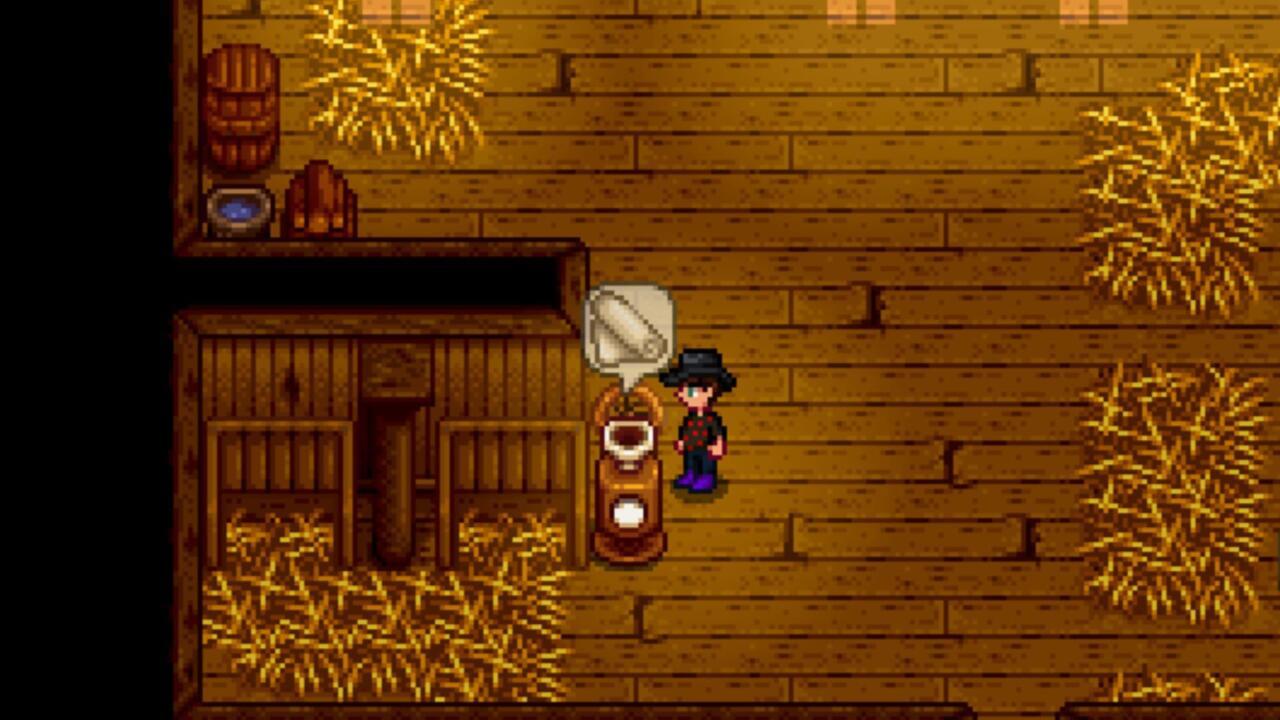
A loom can turn a piece of wool into cloth.
What makes cloth particularly challenging to obtain consistently is the prerequisite of upgraded animal housing. Without deluxe barns or coops, you’ll struggle to maintain the wool supply needed for continuous cloth manufacturing.
Wool serves as the fundamental raw material for cloth creation, obtained exclusively from two animal sources with distinct production characteristics. Both sheep and rabbits represent substantial investments at 8,000 gold each from Marnie’s Ranch, but their wool generation patterns differ significantly.
Sheep provide the most reliable wool source, producing shearable wool every three days. These animals require deluxe barn accommodations and can be automated with auto-collectors to streamline harvesting. Rabbits, housed in deluxe coops, naturally shed wool every four days, eliminating the need for shears but offering slightly slower production cycles.
Strategic animal selection depends heavily on your current farm layout and available resources. Sheep typically outperform rabbits in pure wool output, but rabbits provide additional valuable byproducts like rabbit’s feet, making them a versatile choice for diversified farming operations. Proper animal care through daily petting and adequate feeding dramatically improves wool quality and production consistency.
Transforming raw wool into finished cloth requires specialized equipment only available after significant farming progression. The loom represents the cornerstone of textile production on your farm.
Loom crafting becomes accessible upon achieving Farming Level 7, requiring 60 wood, 30 fiber, and 1 pine tar for construction. This resource combination emphasizes the importance of maintaining diversified gathering activities alongside animal husbandry. Wood and fiber can be collected through regular foraging, while pine tar demands tree tapping on pine trees, a process taking several days.
Once operational, the loom processes wool into cloth over a four-hour period. Higher quality wool not only processes faster but carries a 15-20% chance of yielding two cloth pieces instead of one, making animal friendship and care directly impact production efficiency.
Placement strategy matters significantly—position looms near your barns and coops to minimize transportation time. Many advanced players create dedicated crafting areas with multiple looms to handle large wool volumes efficiently during high-production seasons.
Optimizing cloth production involves both animal management and processing efficiency. Sheep with maximum friendship levels can produce gold-star wool, dramatically increasing your dual-cloth yield probability. Meanwhile, maintaining at least two rabbits ensures consistent wool shedding cycles that complement sheep production.
A common mistake involves underestimating fiber requirements for loom construction. Since fiber becomes scarce mid-game, consider planting fiber seeds or regularly visiting the mines to maintain adequate supplies. Another frequent error is neglecting to upgrade tools before winter, when wool production becomes particularly valuable for indoor activities.
For players following our Class Guide approach to specialized farming, focusing exclusively on either sheep or rabbit production can maximize efficiency. However, diversified animal operations provide better risk management against disease or accidental neglect.
More Stardew Valley guides:
How To Get Oak Resin In Stardew Valley
How To Get Oak Resin In Stardew Valley
How To Feed Chickens In Stardew Valley
How To Feed Chickens In Stardew Valley
Seasonal planning proves crucial—spring and summer offer ideal conditions for expanding your wool production operations before winter’s constraints.
Action Checklist
- Upgrade to deluxe barn/coop for sheep or rabbit housing
- Purchase at least one sheep (8,000g) from Marnie’s Ranch
- Reach Farming Level 7 and gather 60 wood, 30 fiber, 1 pine tar
- Craft loom and position near animal housing for efficiency
- Implement daily animal care routine to maximize wool quality
- Process gold-star wool for chance at double cloth output
No reproduction without permission:SeeYouSoon Game Club » How To Get Cloth In Stardew Valley Master cloth production in Stardew Valley with efficient farming strategies and advanced crafting techniques