
A comprehensive guide to solving the Allosaurus enclosure bug in Jurassic World Evolution 2 with practical troubleshooting strategies
Understanding the Washington State Campaign Mission
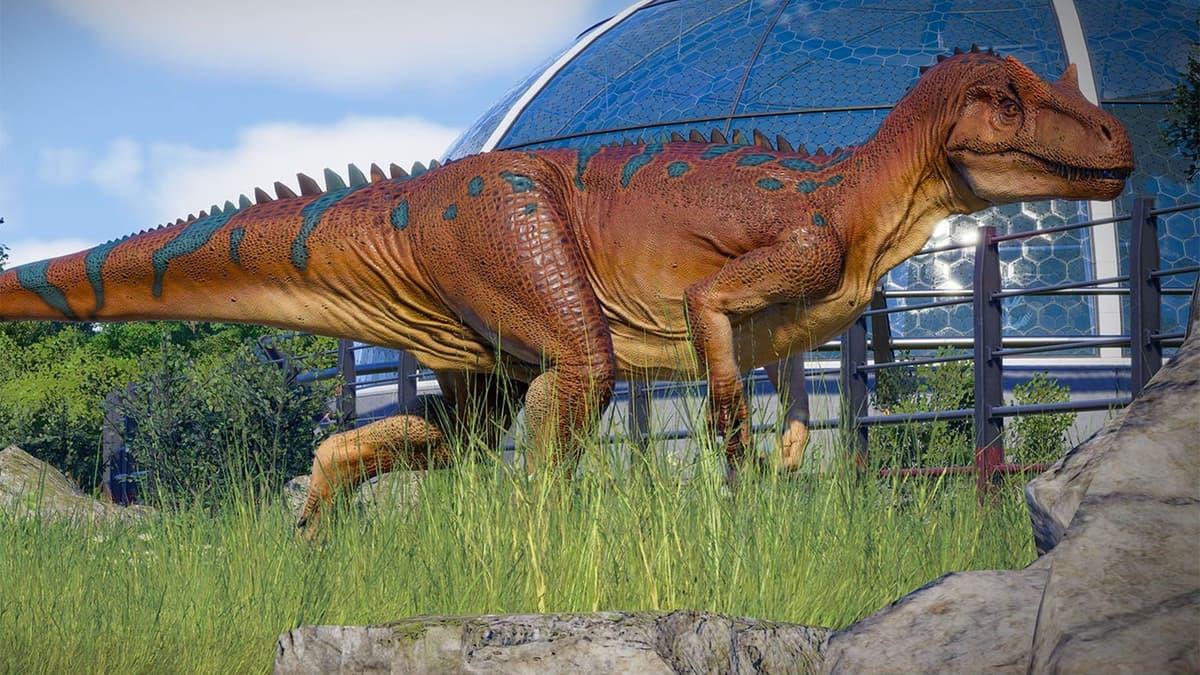
Successfully containing an Allosaurus presents a unique challenge within Jurassic World Evolution 2’s campaign mode, particularly during the Washington State mission sequence. Many players encounter unexpected roadblocks despite following standard enclosure protocols.
This specific campaign objective requires precise completion conditions that extend beyond basic dinosaur containment mechanics, often frustrating players who believe they’ve met all requirements.
Frontier’s Jurassic World Evolution 2 expands upon the park management simulation genre, allowing players to construct elaborate dinosaur habitats featuring species ranging from diminutive Compsognathus to massive Tyrannosaurus Rex. The campaign mode continues narrative threads from the films, featuring characters like Ian Malcolm and Claire Dearing as they address dinosaur containment emergencies across the United States post-Fallen Kingdom events. Within this narrative framework, the Washington State mission introduces a deceptive complexity: players must secure an Allosaurus within its designated enclosure, yet numerous reports indicate mission completion failures despite apparently correct setups.
 Frontier
Mission completion requires addressing hidden variables beyond basic enclosure integrity.
The Hidden Culprit: Wild Compsognathus Intrusion
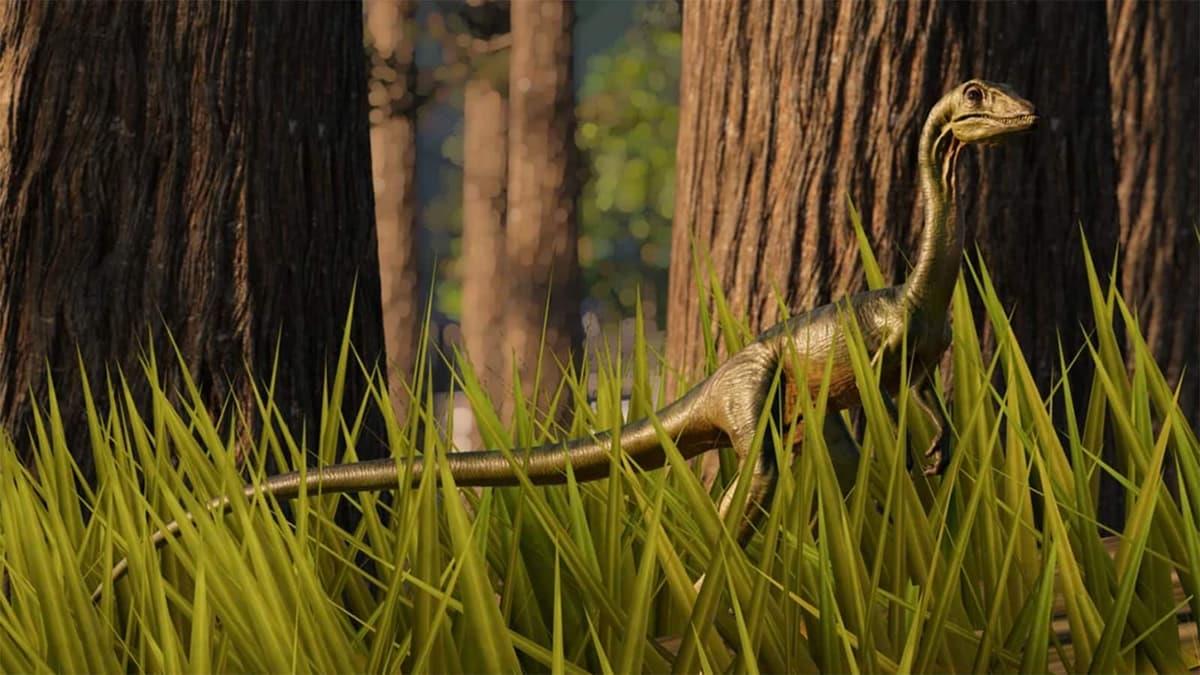
When your Allosaurus enclosure features secure fencing and properly met dinosaur needs, yet mission completion remains elusive, the most probable cause involves undocumented wild Compsognathus presence within the enclosure boundaries. These miniature dinosaurs require manual identification and removal.
Wild Compsognathus populations roam freely throughout campaign maps, frequently infiltrating player-constructed enclosures through environmental gaps or during initial construction phases. Since these creatures aren’t officially part of your dinosaur collection, they remain invisible on standard management maps—creating significant detection challenges, particularly when concealed within dense forested areas.
 Frontier
Undocumented wild dinosaurs represent a common mission progression obstacle. Proactive enclosure scanning before mission initiation can prevent this issue, as wild dinosaurs often enter during construction phases when fences aren’t fully secured. Additionally, consider that Compsognathus tend to congregate near water sources and forest edges, making these areas priority inspection zones.
Advanced Detection and Removal Techniques
A highly efficient method for locating elusive wild dinosaurs involves activating the fence construction tool and systematically moving its cursor around the enclosure perimeter until the “too close to a dinosaur” warning appears—this indicates proximity to your hidden Compsognathus. This technique leverages the game’s collision detection systems to identify creatures that visual inspection might miss.
For players struggling with persistent detection issues or removal complications, an alternative strategy involves constructing a secondary, smaller enclosure specifically around the Allosaurus. This contained space ensures mission completion by creating a verified-clear zone, after which you can dismantle the temporary structure. This approach guarantees success regardless of remaining wild dinosaurs in the primary enclosure area. Advanced players should note that using concrete or steel fences for temporary enclosures provides maximum security, though this consumes additional resources. Additionally, consider tranquilizing your Allosaurus before constructing secondary enclosures to prevent accidental escapes during construction.
When employing the fence tool detection method, move systematically in grid patterns rather than random sweeps to ensure complete coverage. Pay particular attention to corners and areas with visual obstructions like rocks or dense vegetation. If the warning appears but no dinosaur is visible, zoom in closely as Compsognathus can blend remarkably well with certain ground textures.
Creative Workarounds and Optimization Tips
Beyond immediate solutions, experienced players develop preventive strategies to avoid similar issues in future missions. Regularly scanning enclosures with the helicopter’s camera mode provides aerial detection advantages, particularly for identifying wild dinosaurs near enclosure edges. Additionally, constructing observation towers near enclosure perimeters offers continuous monitoring capabilities.
When building secondary enclosures as workarounds, consider these optimization approaches: First, use the smallest possible enclosure size to minimize resource expenditure. Second, position the temporary enclosure near existing infrastructure to reduce construction time. Third, ensure the secondary enclosure contains all necessary amenities (food, water, forest coverage) to prevent Allosaurus stress during containment. Fourth, after mission completion, systematically clear the primary enclosure of all wild dinosaurs before reintroducing your Allosaurus to prevent recurrence.
Advanced troubleshooting involves checking mission parameters: sometimes the issue isn’t just wild dinosaurs but specific fence types or enclosure sizes. The game occasionally requires particular fence heights or materials for mission validation. Consult mission briefings carefully for any unstated requirements beyond basic containment.
No reproduction without permission:SeeYouSoon Game Club » How to ensure the Allosaurus is safely enclosed in Jurassic World Evolution 2 A comprehensive guide to solving the Allosaurus enclosure bug in Jurassic World Evolution 2 with practical troubleshooting strategies