
Master GT7’s economy with advanced credit farming strategies and optimization techniques
Understanding GT7’s Credit System
To build your ultimate car collection and performance parts arsenal in Gran Turismo 7, mastering the credit economy becomes absolutely essential for long-term success.
While the thrill of racing drives GT7’s core experience, building substantial credit reserves enables true automotive freedom for acquiring premium vehicles and customization options. Here’s your comprehensive guide to maximizing earnings.
Gran Turismo 7 features an intricate economic ecosystem designed to reward player progression and strategic thinking. Credits serve as the universal currency across all game modes and regions, creating a unified economic system that demands smart financial management. Understanding how to efficiently accumulate these digital funds transforms your gameplay from struggling to afford basic upgrades to comfortably purchasing legendary supercars.
Credits function as GT7’s primary economic driver, enabling acquisitions ranging from affordable used vehicles to multi-million credit hypercars. This currency system spans every aspect of the game – from Brand Central’s new car dealerships to the Used Car Marketplace’s rotating inventory.
Beyond vehicle purchases, credits unlock performance parts, aerodynamic components, wheel customization, and special liveries. Smart credit allocation becomes crucial since misjudged investments can significantly slow your progression toward collecting the game’s most desirable automobiles.
Advanced Credit Farming Methods
Player preferences for credit accumulation vary significantly based on playstyle, but strategic optimization consistently yields superior results regardless of approach.
 Polyphony Digital
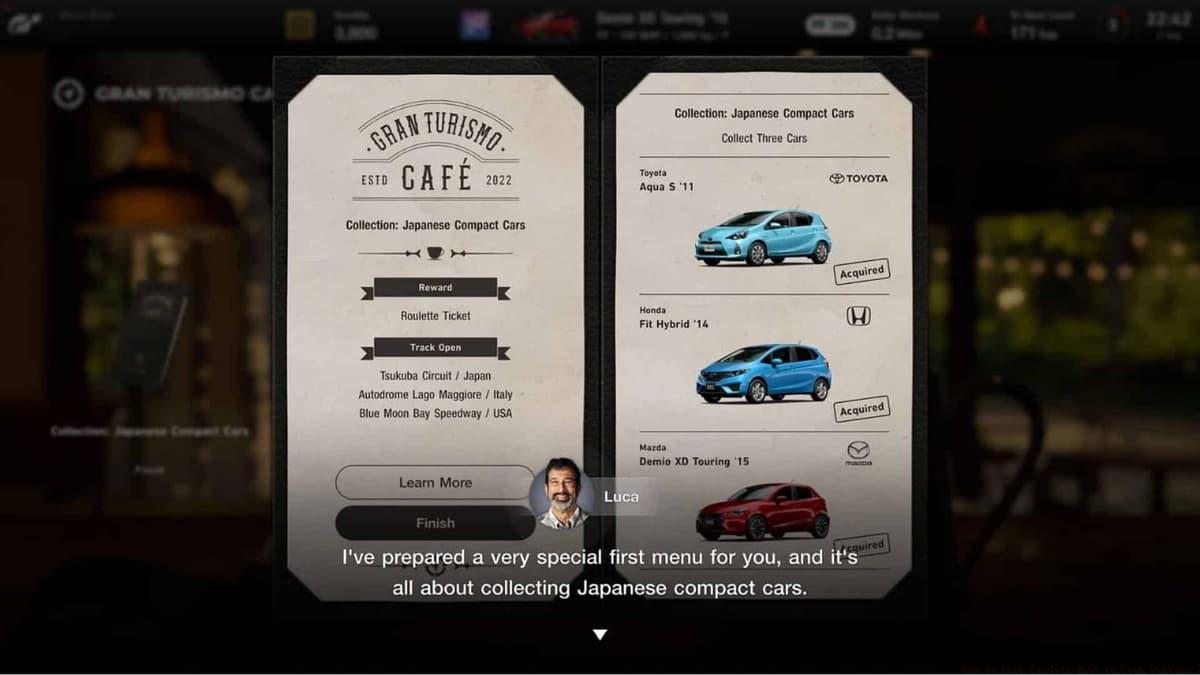
The GT Cafe’s Menu Books provide structured progression with guaranteed rewards.
The GT Cafe’s Menu Book system offers the most reliable early-game credit source, providing structured objectives that reward completion with substantial credits, cars, and roulette tickets. These multi-spin roulette tickets can yield anything from modest credit amounts to six-figure gold bars or even high-value vehicles. Prioritize completing Menu Books that align with cars already in your garage to minimize additional expenses.
Diversifying your gameplay across different modes prevents burnout while maximizing credit opportunities. World Circuit races provide consistent income, but don’t overlook the specialized events that offer bonus credits for specific vehicle types or performance restrictions.
Circuit Experience represents one of GT7’s most lucrative credit sources for skilled drivers. Each track features sector challenges and full-lap time trials that reward six-figure credit payouts for gold medals. These become particularly valuable once you’ve exhausted one-time rewards from other game modes.
Don’t settle for bronze or silver medals in License Tests when gold is within reach.
 Polyphony Digital
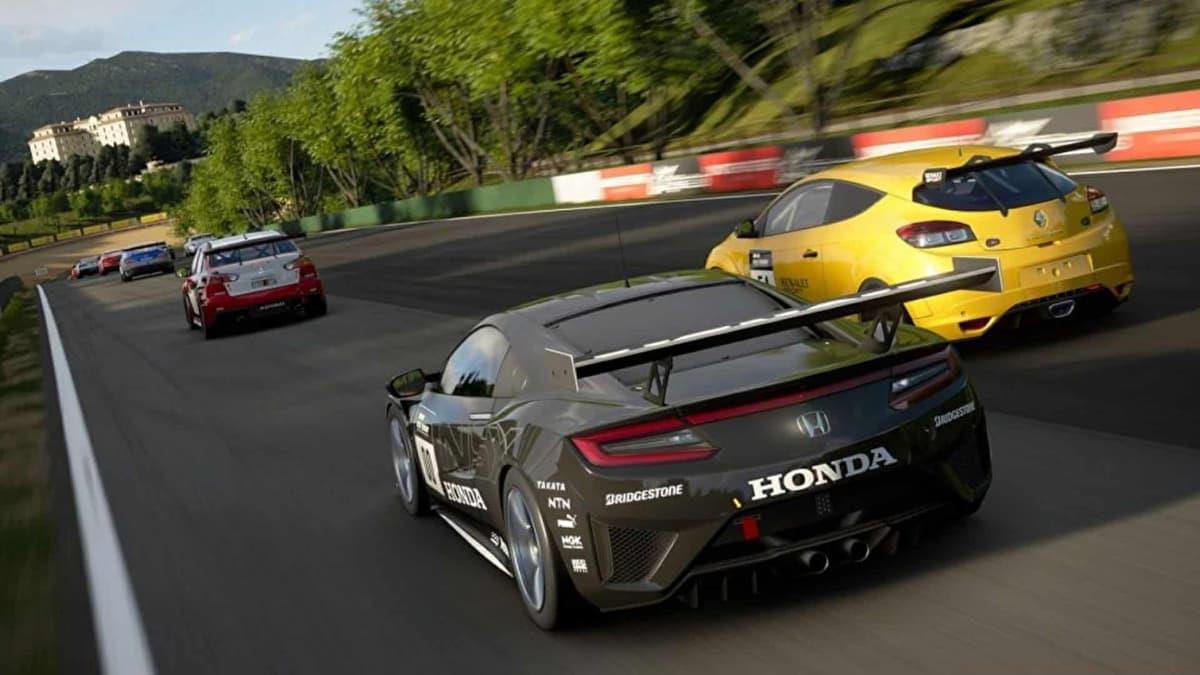
Mastering driving techniques saves credits through reduced vehicle wear and better race results.
When a track layout and car behavior remain fresh in your memory from recent license tests, pushing for gold medals becomes significantly easier. The credit rewards for gold licenses often exceed 50,000 credits per test, creating substantial cumulative earnings across all license tiers.
Strategic car management represents perhaps the most overlooked credit-saving technique. Before purchasing new vehicles for specific events, thoroughly inspect your existing garage for cars that could meet requirements with minimal upgrades. Often, a 20,000-credit tire upgrade or 15,000-credit power increase transforms an existing car into an event-legal competitor, saving hundreds of thousands in new vehicle costs.
Advanced Optimization Techniques
Carefully evaluate whether upgrading existing cars justifies the investment versus purchasing purpose-built vehicles. We learned this lesson after spending over 100,000 credits upgrading a car that still couldn’t compete effectively, ultimately requiring a new purchase anyway. Research event requirements and competitor performance before committing to major upgrade expenditures.
Time management plays a crucial role in credit efficiency. Focus on events offering the best credit-per-minute returns rather than simply pursuing the highest total payouts. Some longer endurance races provide poorer time-to-credit ratios than shorter, repeatable events with clean race bonuses.
Avoid these common credit mistakes: overspending on cosmetic upgrades early game, neglecting to claim completion bonuses, selling cars you might need later (often repurchasing costs more), and ignoring daily marathon rewards that provide consistent small credit injections.
Microtransactions remain an optional last resort for players with limited time but available real-world funds. While purists may avoid them entirely, they can provide shortcuts for busy players wanting to access high-end content without extensive grinding. Consider your personal time-value equation before pursuing this route.
You now possess comprehensive strategies for dominating Gran Turismo 7’s economy. For additional gameplay enhancement, explore our other GT7 resources: Gran Turismo 7 Settings Optimization Guide | Advanced Driving Technique Tutorials | Vehicle Collection and Tuning Strategies | Multiplayer and Sport Mode Dominance Techniques
No reproduction without permission:SeeYouSoon Game Club » How to earn Credits fast in Gran Turismo 7 Master GT7's economy with advanced credit farming strategies and optimization techniques