
Master tactical backpack management in Death Stranding 2 with strategic dropping techniques, stealth optimization, and cargo protection strategies.
The Strategic Value of Backpack Dropping
Cargo management represents a critical gameplay pillar in Death Stranding 2. With enhanced stealth mechanics and more dynamic combat systems, carrying excessive weight can compromise both evasion capabilities and tactical responsiveness. Kojima Productions’ innovative backpack-dropping feature provides essential flexibility, allowing Sam to shed his load when agility takes priority over inventory capacity.
Understanding the mobility trade-off becomes essential for advanced gameplay. When burdened by heavy cargo, Sam’s movement transitions from fluid traversal to sluggish advancement. Turning radius widens, sprint duration decreases, and climbing animations become noticeably slower. Dropping your pack transforms these limitations, restoring baseline movement speed and enhancing your ability to navigate treacherous terrain.
Stealth effectiveness undergoes dramatic improvement without the backpack’s bulk. Enemy detection ranges shrink by approximately 30-40% based on testing observations, particularly useful when infiltrating MULE camps or avoiding BT territories. The visual profile reduction makes concealing yourself in foliage or behind structures substantially more reliable during covert operations.
How to Drop Your Backpack: Step-by-Step Mechanics
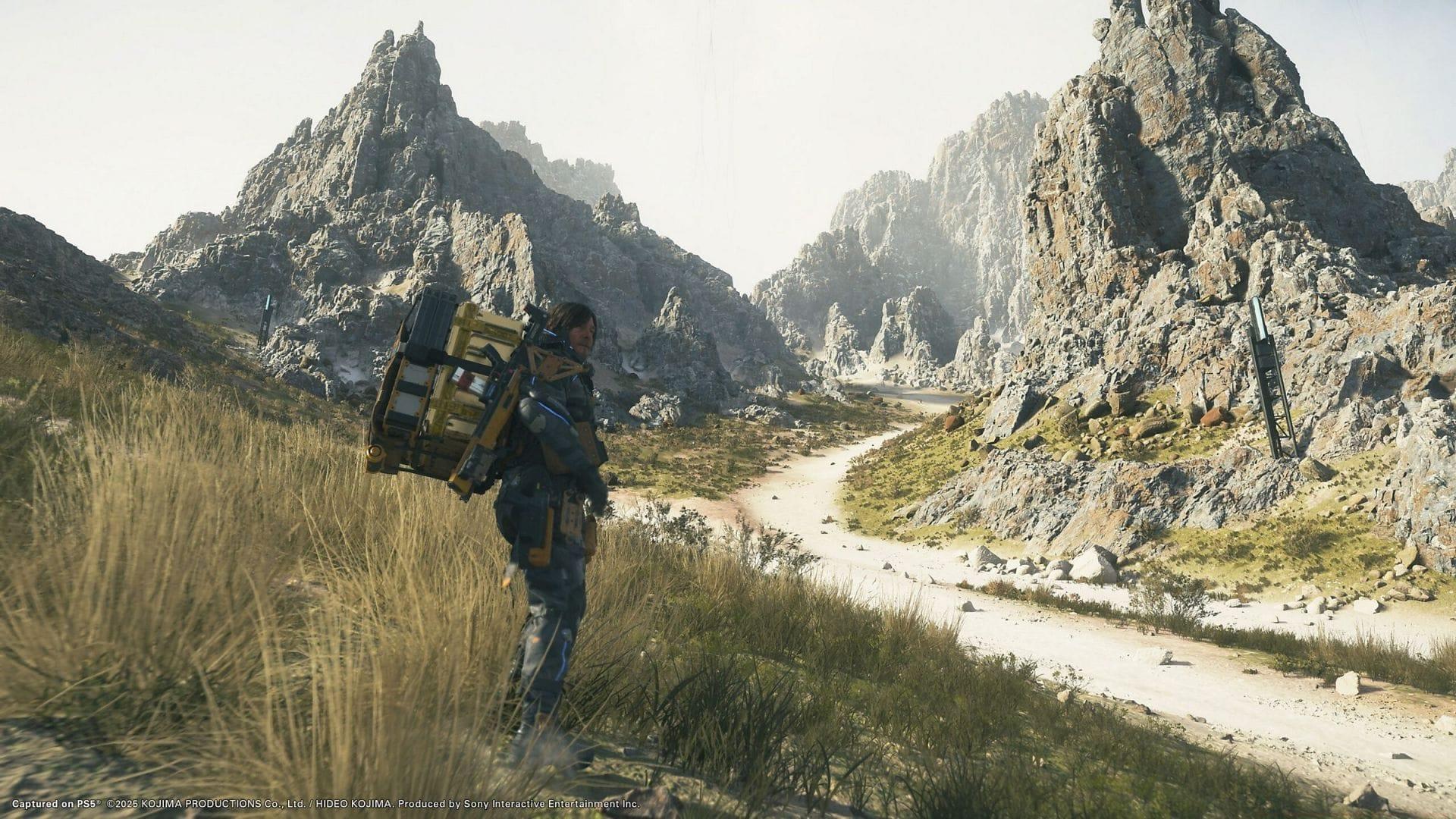
Execution requires simple but deliberate inputs. On PlayStation controllers, simultaneously press and hold L1 + R1 while standing on stable ground. A brief animation triggers where Sam carefully removes his backpack and places it upright on the terrain. Avoid performing this action while moving, jumping, or climbing, as this may cause placement errors or cargo damage.
Visual tracking systems activate immediately upon detachment. Your mini-map displays a persistent backpack icon with your unique player identifier. The HUD supplements this with a floating waypoint marker visible at moderate distances. For additional security, the backpack emits a subtle pulsing glow during nighttime or low-visibility conditions, ensuring recoverability across various environments.
Retrieval follows an intuitive reversal process. Approach your dropped backpack and press the interaction button when prompted. Sam will automatically re-equip the pack with all cargo intact, assuming no environmental damage has occurred during separation. Always verify cargo condition post-retrieval through your inventory screen, as some fragile items may have degraded during unattended periods.
Optimal Situations for Backpack Removal
Stealth infiltration sequences benefit tremendously from backpack-free movement. When approaching enemy encampments, drop your pack approximately 100-150 meters from the perimeter. This distance provides sufficient mobility for approach while keeping recovery feasible after clearing threats. Enhanced crouch-walking speed and reduced noise generation make navigating patrol patterns significantly more manageable.
BT zone navigation demands lightweight agility. The spectral entities in Death Stranding 2 exhibit heightened sensitivity to both auditory and visual cues. Without backpack cargo shifting and clattering, your sound profile diminishes considerably. Additionally, the reduced silhouette makes avoiding BT grasp attacks more responsive, particularly in crowded spectral territories where multiple entities may converge.
Combat engagements transform when you’re not carrying extra weight. Weapon sway decreases, melee attack chains execute faster, and dodging maneuvers cover greater distance. During firefights with Homo Demens factions or rogue porters, dropping your pack behind substantial cover before engaging provides both tactical advantage and cargo protection. Remember that backpacks left in exposed positions may sustain damage from stray gunfire or explosive blasts.
Environmental hazard traversal often requires temporary backpack abandonment. When crossing deep rivers, navigating narrow cliff passages, or moving through unstable structures, the extra weight can mean failure versus success. Assess each hazardous section before committing—sometimes carrying essential tools while leaving bulk cargo behind represents the optimal risk management strategy.
Advanced Tactics and Common Mistakes
Pre-drop cargo organization separates novice from expert porters. Before detaching your backpack, transfer critical survival tools to your suit’s integrated storage: the repair spray, grenade pouches, and climbing anchors should always remain on your person. Bulky materials, extra equipment, and non-essential deliveries can safely remain in the dropped pack, creating a balanced loadout for unexpected encounters.
Location marking requires dual verification. Never rely solely on HUD indicators for backpack recovery. Always note distinctive environmental features—peculiar rock formations, abandoned structures, or unique vegetation clusters serve as reliable landmarks when waypoint systems experience interference (common in BT-heavy regions). Taking a screenshot of the drop location provides additional insurance against navigation errors.
Avoid these frequent porter errors: dropping packs on unstable terrain that may collapse, leaving cargo in timefall precipitation zones without protection, forgetting to retrieve before crossing irreversible boundaries, and abandoning packs during scripted sequences that trigger area transitions. Each mistake can result in permanent cargo loss or significant delivery rating penalties.
Advanced timing strategies involve calculated risk assessment. During multi-stage infiltrations, you might drop and retrieve your pack multiple times as you progress through different threat zones. This “leapfrog” technique maintains continuous cargo access while preserving mobility advantages where most needed. Practice this in lower-risk areas before attempting in critical story missions.
Backpack vs. Suit Capacity: What You Can Carry
Suit-integrated storage imposes strict limitations. When separated from your backpack, Sam can only access equipment mounted directly on his suit’s harness system and items held in his hands. This typically includes: one primary weapon, one secondary tool, grenade pouches (limited capacity), and a small selection of immediately-accessible consumables. Understanding these constraints before dropping your pack prevents finding yourself unprepared during critical moments.
Essential items categorization should guide your preparation strategy. Always retain these on your person: Odradek scanner, blood bags for BT encounters, utility gloves for climbing, and at least one type of offensive equipment. Non-essentials like extra construction materials, additional weapon variants, and surplus consumables can safely remain in your dropped backpack until needed.
Weight distribution awareness affects even backpack-free movement. While significantly more agile without your main pack, Sam still carries weight on his suit and person. Overloading your suit storage with heavy items will partially negate mobility benefits. Balance remains crucial—distribute weight between dropped backpack and retained items to optimize both capacity and movement capabilities.
Recovery urgency varies based on cargo value and environmental conditions. High-value deliveries or fragile cargo require prompt retrieval, especially in timefall zones. Standard materials can remain dropped longer with minimal risk. Develop situational awareness to prioritize recovery sequences based on both cargo importance and changing weather patterns that might threaten unattended equipment.
Strategic backpack management elevates Death Stranding 2 from mere delivery simulation to tactical masterpiece. This system rewards thoughtful preparation, situational adaptation, and risk assessment—core competencies that distinguish successful porters from those constantly rebuilding their reputation from catastrophic cargo losses.
No reproduction without permission:SeeYouSoon Game Club » How to drop your backpack in Death Stranding 2 Master tactical backpack management in Death Stranding 2 with strategic dropping techniques, stealth optimization, and cargo protection strategies.