
Complete guide to post-game side quests in Hell is Us with strategies for 100% completion
Understanding Hell is Us’ Unique Gameplay Structure
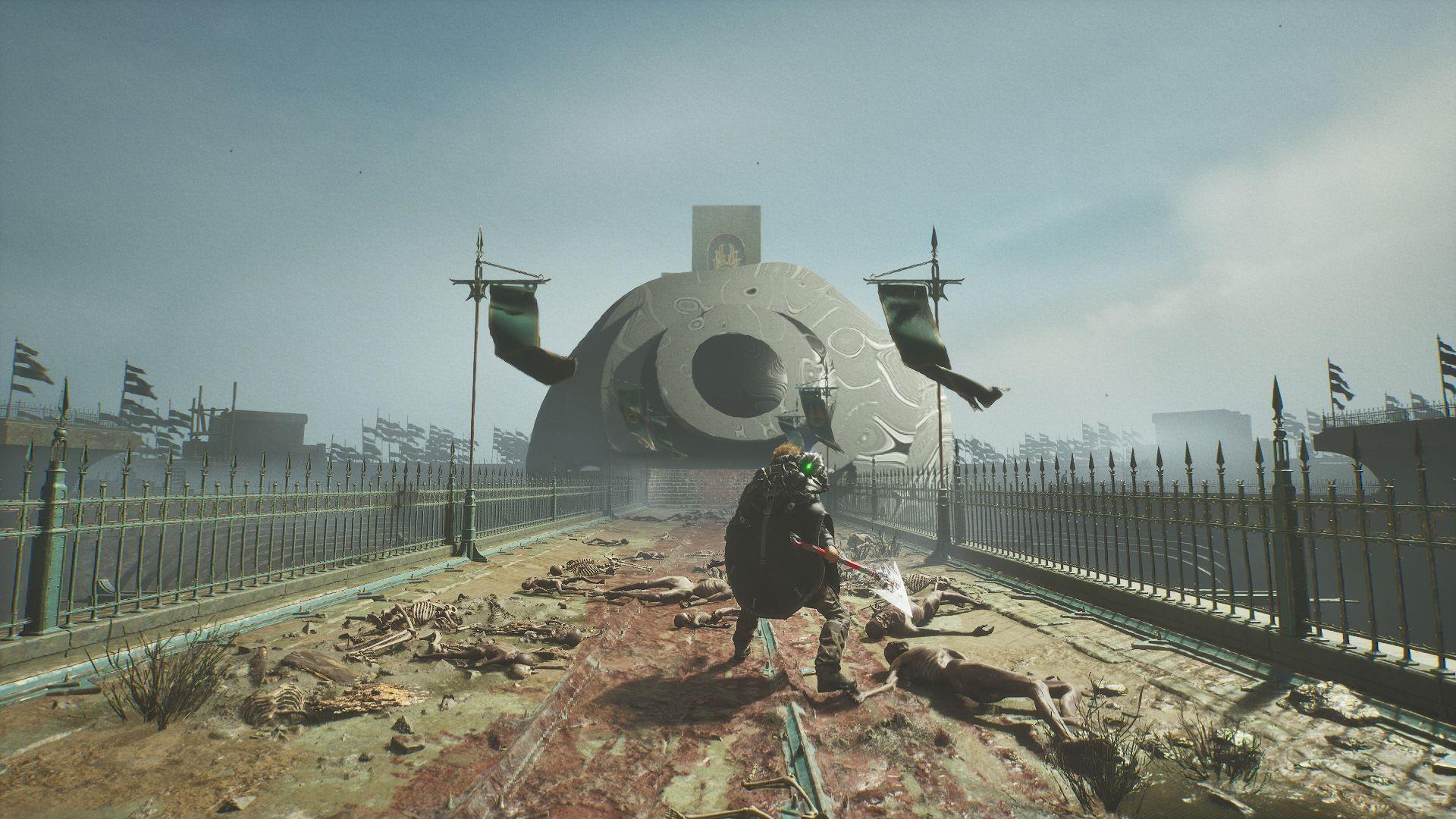
Hell is Us redefines action-adventure expectations by blending intricate puzzle mechanics, substantial exploration segments, and dynamic combat encounters into a cohesive experience. Unlike traditional games that provide explicit guidance, this title requires players to actively investigate their surroundings, interpret environmental storytelling, and engage with non-playable characters to uncover narrative threads.
The absence of conventional map markers and objective notifications creates an organic discovery process where players must distinguish between essential story progression and optional content through contextual clues. This design philosophy encourages thorough environmental scanning and careful attention to dialogue nuances.
For achievement hunters pursuing 100% completion (Platinum trophy), the game presents substantial challenges requiring meticulous attention to detail. Completion demands exhaustive participation in side activities including Good Deeds missions, comprehensive NPC interactions, diverse item acquisition, and systematic enemy elimination across all regions.
Completion Time Estimates for Different Playstyles
Understanding the time investment required for various completion levels helps players plan their gaming sessions effectively. Here’s a detailed breakdown of estimated completion times across different engagement approaches at normal difficulty:
Pro Tip: The significant time disparity between main story completion and full 100% completion stems from the game’s extensive hidden content. Many collectibles and side missions require backtracking through previously explored areas with new abilities or items obtained later in the game.
Post-Game Content Accessibility Explained
Rogue Factor has implemented a player-friendly system that permits engagement with all side activities after completing the main narrative. While the game doesn’t feature a New Game+ mode, this design decision actually benefits completionists by allowing direct access to your final save file for cleaning up remaining objectives.
Once the credits roll, you can reload your completed save where the game world remains fully accessible. The APC transportation system becomes invaluable during this phase, enabling efficient travel between locations to solve environmental puzzles and complete outstanding Good Deeds missions.
Your accumulated inventory of notes, correspondence, artifacts, audio logs, and investigative clues remains fully accessible, significantly streamlining the side quest completion process. This archived knowledge base helps connect narrative dots that might have been overlooked during initial playthroughs.
Common Mistake to Avoid: Many players mistakenly believe they need to start a new save file for missed content. Always return to your completed save instead, as starting fresh would require repeating substantial portions of the main story.
Advanced Strategies for Post-Game Completion
Maximizing efficiency during post-game cleanup requires strategic approaches to content organization and exploration. Begin by categorizing remaining objectives by geographic region and difficulty level to create a systematic completion roadmap.
Good Deeds Optimization: These humanitarian missions often involve complex multi-step processes. Create a checklist documenting NPC requirements, item locations, and conversation triggers to minimize redundant backtracking. Many Good Deeds have time-sensitive components, so prioritize these when planning your session.
Collectible Tracking: Utilize the game’s built-in inventory tracking systems alongside external tools if needed. Audio logs and documents often provide crucial context for environmental puzzles, so review your collected materials regularly to identify patterns and connections.
Combat Preparation: Post-game enemy encounters may feature enhanced difficulty. Ensure your character has optimal gear upgrades and ability configurations before tackling remaining combat challenges. Some areas contain respawning enemies that can be farmed for experience or rare materials.
Environmental Mastery: Develop thorough exploration habits by investigating every interactive element. Many hidden passages and secret areas only become accessible after obtaining specific story items, so revisit locations with new perspective and tools.
No reproduction without permission:SeeYouSoon Game Club » How long does it take to beat Hell is Us? Complete guide to post-game side quests in Hell is Us with strategies for 100% completion