
Understanding Blizzard’s controversial $50 Hearthstone Mercenaries pricing and community backlash analysis
The Controversial Pricing Strategy
Blizzard’s recent Hearthstone Mercenaries event introduced premium card bundles at an unprecedented $50 price point, sparking immediate controversy within the gaming community. This pricing represents a dramatic departure from the game’s established monetization structure, where card packs traditionally ranged from $3 to $20 maximum.
As Blizzard continues facing player scrutiny across multiple titles, the decision to implement premium $50 card packs for the Mercenaries event has drawn direct comparisons to Raid Shadow Legends’ aggressive monetization tactics.
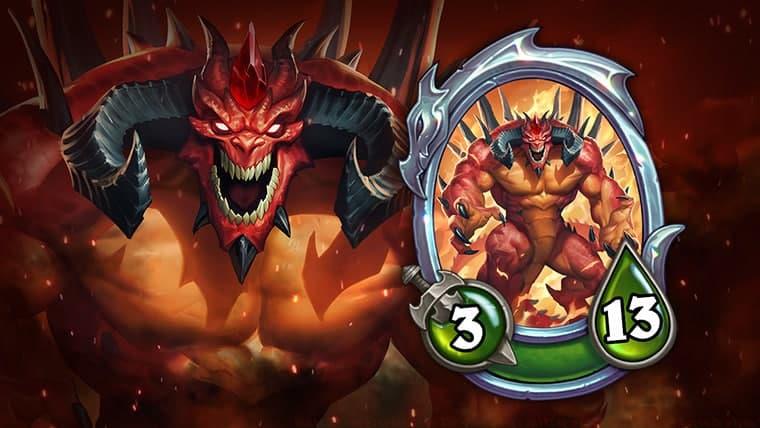
With player migration from established Blizzard titles like World of Warcraft reaching notable levels, attention has shifted to Diablo, Overwatch, and Hearthstone as potential recovery vehicles for the company. While anticipation builds for Diablo 2 Resurrected’s upcoming release, the introduction of $50 Diablo-themed card packs in Hearthstone has generated significant community friction. The comparison to Raid Shadow Legends, widely recognized for its extensive microtransaction systems, indicates growing player frustration with premium pricing models.
 Blizzard Entertainment
While Diablo’s inclusion in Hearthstone represents exciting crossover content, accessing this iconic character requires substantial financial investment. The Mercenaries event brings beloved Blizzard characters including Diablo and Sylvanas Windrunner to Hearthstone through premium acquisition methods.
Community Backlash and Comparisons
The specific pricing for Diablo and Lich King Mercenaries packs establishes a new premium tier at $50 (£46), significantly exceeding previous maximum bundle costs. Standard card packs previously capped at $20 (£17), making these new offerings more than double the established price ceiling. Player response has been immediate and overwhelmingly negative across social platforms.
Community criticism focuses on the perceived aggressive monetization approach, with one player describing the implementation as “a Raid Shadow Legends clone for Hearthstone,” expressing disappointment that “thought Blizzard couldn’t go any lower.” Creative community responses include modified Hearthstone interface mockups adding Raid Shadow Legends branding alongside Yu-Gi-Oh and Auto Chess references, highlighting the perceived similarity in monetization strategies.
Meme culture has quickly adopted the controversy, with one popular image titled “Greed” depicting Electronic Arts symbolically passing a “worst company” trophy to Blizzard. Reddit commentary reveals deep player frustration, with one comment noting “Desperate, and losing money. Their greed and disdain for their player base knows no bounds.” Another player expressed outrage at the value proposition: “You can purchase complete games for this price point. Charging $50 for minimal additional content percentage seems fundamentally unreasonable.”
Strategic Implications for Players
For dedicated Hearthstone players, this pricing shift necessitates careful value assessment and strategic planning. The $50 price point establishes a new premium tier that may influence future content pricing across Blizzard’s gaming ecosystem.
Practical Assessment Framework: Evaluate Mercenaries content based on gameplay hours, collection completeness goals, and alternative acquisition methods. Consider whether the premium content provides proportional value compared to entire game purchases available at similar price points.
Common Strategic Mistakes: Avoid impulse purchasing without evaluating content utility. Many players overlook gradual acquisition through gameplay or future sales opportunities. Premium bundles often see price adjustments or inclusion in special promotions following initial release periods.
Advanced Collection Strategy: Seasoned players recommend prioritizing content based on meta relevance rather than cosmetic appeal. The Mercenaries mode introduces new gameplay mechanics that may not align with every player’s preferred style, making careful evaluation essential before premium investment.
Broader Industry Context
Blizzard’s pricing strategy reflects broader industry trends toward premium microtransactions in established games. As player bases mature, companies often introduce higher-priced content tiers to maintain revenue streams from dedicated enthusiasts.
The comparison to Raid Shadow Legends highlights growing player awareness of monetization patterns across the gaming landscape. This incident occurs during a period of increased scrutiny regarding video game pricing models and consumer value propositions.
Industry analysts observe that successful premium pricing requires transparent value communication and content justification. The community backlash suggests Blizzard may need to reassess their value proposition or implementation timing given ongoing player relationship challenges.
Future content releases will indicate whether this pricing represents a temporary premium experiment or establishes a new standard for high-end Hearthstone content. Player response metrics and engagement data following this controversy will likely influence similar decisions across the collectible card game genre.
No reproduction without permission:SeeYouSoon Game Club » Hearthstone players slam $50 card packs calling it “a Raid Shadow Legends clone” Understanding Blizzard's controversial $50 Hearthstone Mercenaries pricing and community backlash analysis