
Discover the underwater inspiration behind Hearthstone’s Voyage to the Sunken City expansion and master its new Colossal and Dredge mechanics
The Deep-Sea Inspiration Behind Voyage to the Sunken City
Hearthstone’s groundbreaking Voyage to the Sunken City expansion plunges players into the mysterious depths of Zin-Azshari, blending aquatic exploration with innovative card mechanics. We gained exclusive insights from the development team about their creative process and strategic vision.
Hearthstone continues to evolve beyond its traditional tavern setting, now venturing into Azeroth’s most enigmatic underwater realms. This expansion marks a significant departure from previous themes, transporting players to the sunken ruins of Zin-Azshari where ancient secrets and dangerous creatures await discovery. The development team deliberately chose this aquatic setting to refresh the game’s narrative approach after the connected storylines of the Year of the Gryphon.
According to Associate Game Designer Edward Goodwin and Game Designer Cora Georgiou, the underwater concept had been brewing for years. “We’ve contemplated an aquatic expansion for quite some time,” Georgiou revealed. “The transition to standalone expansions provided the perfect opportunity to explore this uncharted territory without narrative constraints.” The team evaluated multiple underwater locations from Warcraft lore, including the fan-favorite Vashj’ir, before settling on Nazjatar and the cataclysmic Great Sundering as their primary inspiration.
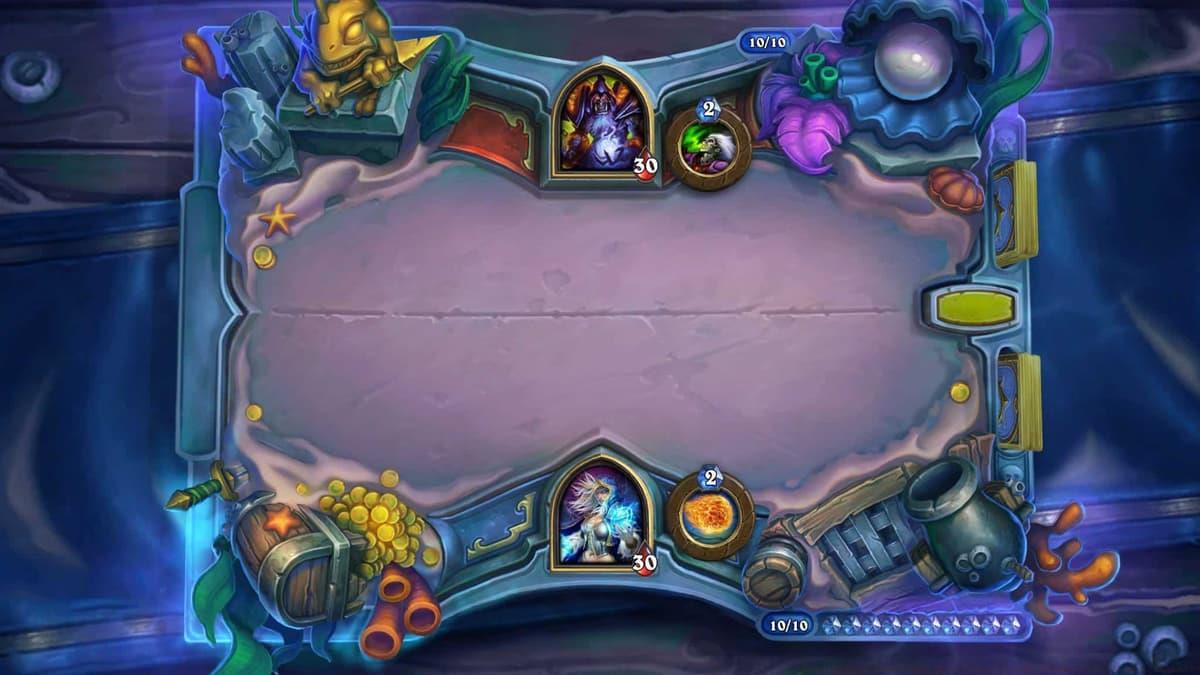 Blizzard Entertainment
The vibrant coral landscapes and ancient architecture create a visually stunning backdrop for Hearthstone’s deepest adventure yet.
The Great Sundering’s historical significance provided rich narrative ground for the expansion. This catastrophic event that shattered Ancient Kalimdor and submerged Zin-Azshari offered both dramatic storytelling potential and thematic consistency with the underwater setting. The developers emphasized how this historical backdrop naturally complemented their mechanical innovations, creating a cohesive experience where gameplay and narrative reinforce each other.
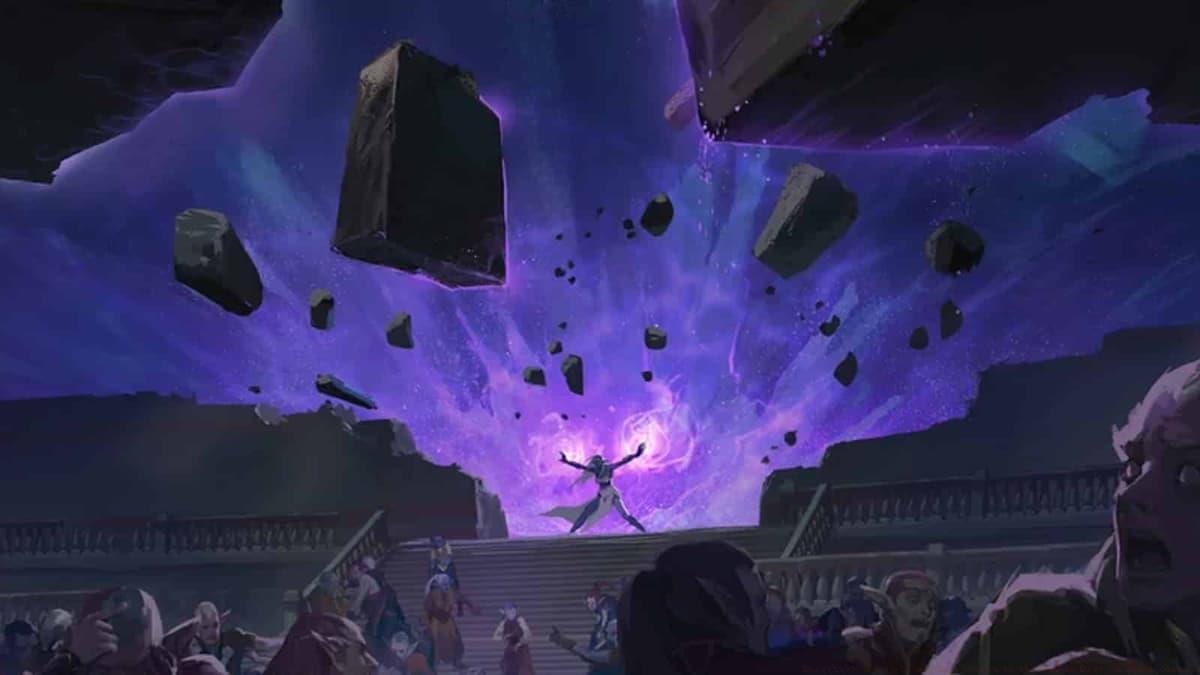 Blizzard Entertainment
The fallen glory of Zin-Azshari serves as both setting and story driver, connecting gameplay to Warcraft’s deepest lore.
Colossal Keyword: Mastering Giant Underwater Creatures
The Colossal keyword introduces a revolutionary approach to representing massive creatures that dominate the battlefield. Unlike previous minion-summoning mechanics, Colossal creatures deploy with predefined appendages that create immediate board presence and strategic complexity.
“We aimed to capture the sheer scale of deep-sea leviathans that felt too enormous for conventional card representation,” Georgiou explained. The appendage system ensures these creatures impact multiple board positions simultaneously, demanding thoughtful play and counterplay. Each Colossal minion’s appendages feature unique abilities that synergize with the main body, creating layered tactical decisions for both players.
Strategic Insight: Time your Colossal plays when you have board control or can protect the main body. The appendages typically have lower health pools, making them vulnerable to area-of-effect clears if deployed without support. Consider holding Colossal minions until you can capitalize on their board-splitting nature against single-target removal decks.
Advanced players should note that Colossal minions create inherent card advantage by generating multiple bodies from a single card. This makes them particularly valuable in control matchups where resource attrition determines victory. However, their higher mana costs require careful deck construction to ensure you can reach late-game scenarios consistently.
Common mistake: Overcommitting to Colossal minions against decks running transform effects or silence mechanics. These can neutralize your investment by removing the appendage synergy. Always assess your opponent’s potential answers before deploying your most valuable Colossal creatures.
Dredge Keyword: Uncovering Deck Secrets
Dredge revolutionizes deck manipulation by granting players visibility and selective retrieval from their deck’s bottom layer. This mechanic perfectly embodies the expansion’s exploration theme while introducing profound strategic depth to card sequencing and resource management.
“Dredge mirrors the archaeological excavation of sunken ruins,” Edward Goodwin elaborated. “Just as explorers sift through seabed sediment, players now dig through their deck’s foundation to recover valuable resources.” The mechanic allows examination of the three deepest cards, with the option to promote one to the top position—a powerful tool for consistency and combo enabling.
Advanced Technique: Combine Dredge with Azsharan cards to create powerful delayed-value engines. Azsharan cards place enhanced “Sunken” versions at your deck’s bottom when played, creating ideal Dredge targets for later recovery. This synergy enables sophisticated resource planning across multiple turns.
Optimal Dredge usage requires understanding your deck’s win condition. Aggressive decks should prioritize retrieving burn spells or tempo plays, while control decks benefit from digging for answers or value generators. The mechanic’s flexibility makes it applicable across archetypes, but its effectiveness depends on proper contextual application.
Common mistake: Wasting Dredge effects early when your deck bottom contains low-impact cards. Smart players track which cards remain in their deck and use Dredge selectively when high-value targets have potentially sunk to the bottom. This awareness separates casual use from strategic mastery.
The thematic resonance of Dredge extends beyond mechanics—it creates a tangible connection to the expansion’s core narrative of discovery and recovery. Each use feels like uncovering buried treasure, reinforcing the underwater adventure fantasy through gameplay.
Advanced Strategies and Common Pitfalls
Mastering Voyage to the Sunken City requires understanding how the new keywords interact with existing Hearthstone systems and anticipating common gameplay errors that can cost you matches.
Meta Integration Strategy: Colossal minions excel in midrange and control decks that can survive to the late game. Pair them with card draw engines and survival tools to ensure consistent deployment. Against aggressive decks, consider mulliganing away high-cost Colossal minions unless your early game can stabilize.
Dredge transforms deck-building considerations. Include targeted search cards that benefit from bottom-deck manipulation, and consider the order in which you play Azsharan cards to optimize your Dredge targets. Sequencing becomes crucial—playing Azsharan cards too early without Dredge tools wastes their potential.
Avoid These Critical Errors: Don’t overvalue Dredge in fast matchups where tempo matters more than card quality. Similarly, avoid playing Colossal minions into obvious board clears—sometimes it’s better to hold them as finishers rather than tempo plays. Recognize when your opponent’s deck contains hard counters and adjust your strategy accordingly.
Optimization tip: Track which cards have been played to better predict what remains in your deck for Dredge targeting. This game-state awareness significantly improves your decision-making and separates skilled players from casual ones.
The developers successfully captured their vision of an immersive underwater adventure through these innovative mechanics. As Georgiou concluded, the expansion delivers “the right feeling, and the gameplay, and the excitement” that makes Hearthstone continually engaging. Now equipped with deeper strategic understanding, you’re ready to plunge into Zin-Azshari’s mysteries and emerge victorious.
No reproduction without permission:SeeYouSoon Game Club » Hearthstone devs break down Voyage to the Sunken City’s new mechanics Discover the underwater inspiration behind Hearthstone's Voyage to the Sunken City expansion and master its new Colossal and Dredge mechanics