
TL;DR
- Conserve stamina by walking instead of running to maximize daily productivity
- Unlock fast travel in Chapter 2 and use Return Bells for emergency farm returns
- Prioritize low-cost crops like Dress Lettuce for steady early-game income
- Experiment with all job classes and skill boards for combat versatility
- Plan each day around one major activity due to Harvestella’s time constraints
Establish your Harvestella success foundation with our comprehensive beginner’s guide
While Harvestella appears to blend Final Fantasy’s RPG elements with Stardew Valley’s farming mechanics, it introduces several unique systems that require strategic adaptation. The game’s time progression operates differently than traditional farming sims, and combat demands more tactical thinking than simple button-mashing. Seasonal conclusion events further emphasize the importance of meticulous time allocation. This guide delivers crucial advice for optimizing your schedule, mastering the job system efficiently, and managing scarce resources for enhanced crafting capabilities.
If movement through Harvestella’s agricultural areas and underground caverns feels deliberately measured, that’s intentional design. Walking represents the optimal pace, whereas sprinting rapidly depletes your stamina reserves. Time advances gradually in all locations except the overworld map, but restoring depleted energy proves expensive during early gameplay when culinary components remain scarce.
Adopting a more deliberate pace than you might instinctively prefer conserves vital energy, enabling you to allocate that stamina toward farm maintenance tasks or gathering critical materials like timber and mineral resources.
Rapid transit capabilities become accessible during Chapter 2, when Dianthus instructs you in utilizing Motus Monolites—those mystical crystalline structures positioned throughout each region. Activation simply requires pressing the interaction button when adjacent to these artifacts. You can journey to any previously activated Motus Monolite within a specific zone or transport directly back to your homestead. The primary advantage lies in significantly reducing overworld map traversal duration, thereby freeing additional time for agricultural activities and exploration.
For emergency returns to your farm before unlocking Chapter 2’s travel network, maintain a supply of Return Bells to avoid being stranded after nightfall.
Common navigation mistake: attempting to explore multiple distant locations in a single day. The time investment for cross-region travel typically consumes most of your daylight hours, leaving insufficient time for farming tasks. Optimal strategy involves designating each day for either exploration or farm management, rarely both.
Similar to other life simulation titles, each day presents limited temporal resources requiring strategic allocation. After completing morning routines at Bird’s Eye Brae, determine your primary objective before venturing across the world map or utilizing the Motus Monolite network. Despite fast travel capabilities, you’ll generally accomplish just one significant exploration zone or complete one to two missions daily. While no rigid deadlines exist, employing your days purposefully and productively yields superior long-term results.
Advanced time optimization: Group similar tasks geographically. If visiting Shatolla, complete all ocean-side quests simultaneously rather than making multiple trips. This approach mirrors efficient strategies in our Class Guide for maximizing battlefield efficiency through role specialization.
Agricultural products constitute your primary revenue stream during initial chapters, so while reserving some Grilla—Harvestella’s currency—for inventory expansions and new ability tomes remains important, the majority of earnings should reinvest in seed procurement. Budget-friendly vegetables like Dress Lettuce serve as your economic cornerstone, offering respectable profit margins and rapid growth cycles. Once financial stability improves, diversify into premium seeds. Naturally, you’ll purchase fewer high-value seeds compared to economical varieties, but they substantially accelerate capital accumulation.
Economic pitfall to avoid: Over-investing in slow-growth luxury crops early game. While tempting for potential high returns, their extended maturation periods create cash flow gaps that hinder essential early upgrades. This economic principle parallels weapon investment strategies in our Weapons Unlock guide, where balanced resource allocation proves crucial.
Upon gaining access to additional professions, ensure regular rotation and experimentation with each new class and their associated skill trees. Fundamental attacks possess limited effectiveness, and similar to conventional RPGs, acquiring new abilities becomes essential for confronting powerful adversaries and boss encounters. Harvestella introduces standard warrior and sorcerer roles initially, then expands into supportive functions, healing specialists, and sophisticated combatants capable of blending physical techniques with arcane arts for area domination.
Combat optimization: Master job synergy. Certain class combinations create powerful combat loops—a Mage’s area attacks might group enemies for a Fighter’s cleave abilities. This tactical approach resembles team composition strategies found in our Complete Guide to battlefield dominance through coordinated class interactions.
Harvestella emphasizes RPG elements over agricultural simulation, but cultivation remains an integral component of your daily regimen.
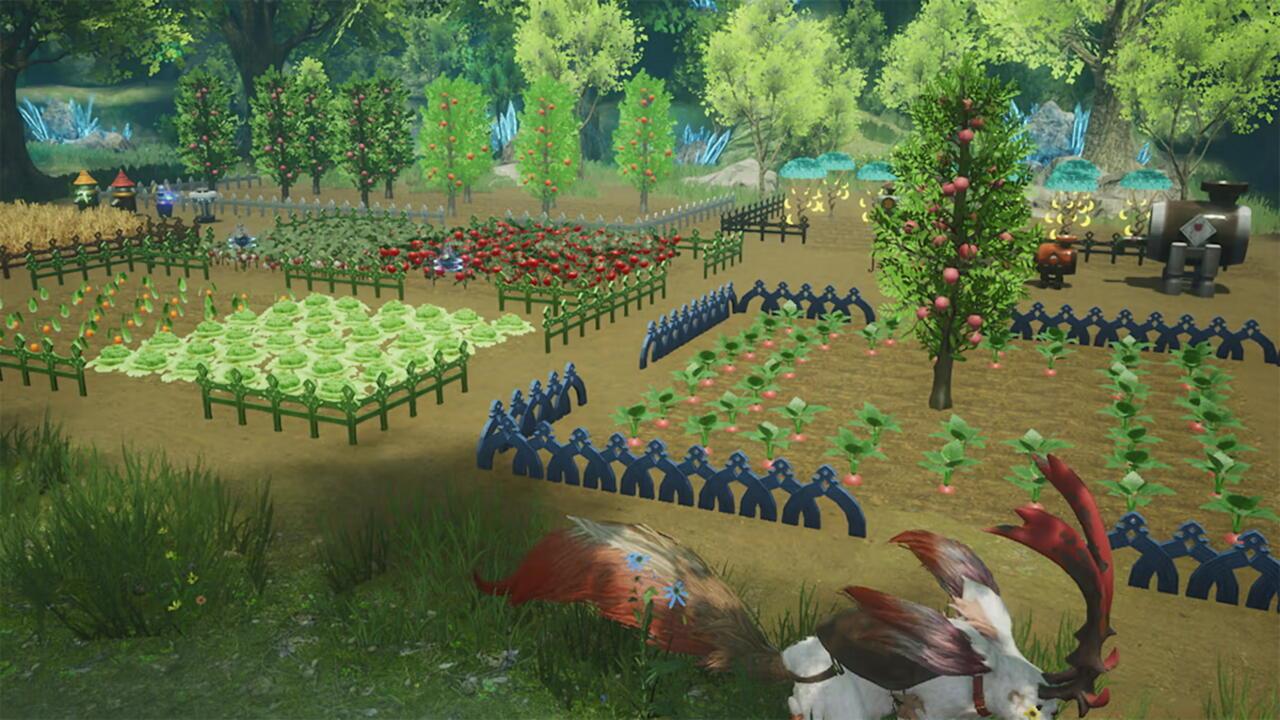
Harvestella is more RPG than farm sim, but crops are still an important part of your routine.
Seasonal preparation strategy: Always plant crops with sufficient growth time before season transitions. Quietus, the destructive season-ending event, will obliterate any unharvested plants, resulting in significant financial losses. Plan your planting schedule around each season’s duration, leaving a 2-3 day buffer before Quietus arrives.
Action Checklist
- Practice walking exclusively during first week to master stamina conservation
- Purchase and carry Return Bells before any major exploration
- Allocate 70% of daily Grilla to seed reinvestment
- Experiment with all unlocked job classes for 2-3 days each
- Plan crop cycles with 3-day Quietus buffer
No reproduction without permission:SeeYouSoon Game Club » Harvestella Tips For Beginners: Time Management, Crop Planning, And More Master Harvestella's unique blend of farming and RPG mechanics with essential beginner strategies