
Analyzing fan concerns over censorship in GTA remasters and strategies to engage with evolving game content.
The Core Debate: Preservation vs. Modernization
The unveiling of GTA: The Trilogy – Definitive Edition has ignited a complex discussion that extends beyond its visual upgrades. While the shift to Unreal Engine 4 promises a next-generation sheen, a significant portion of the community is preoccupied with a different kind of change: the potential softening of the games’ famously sharp and provocative content.
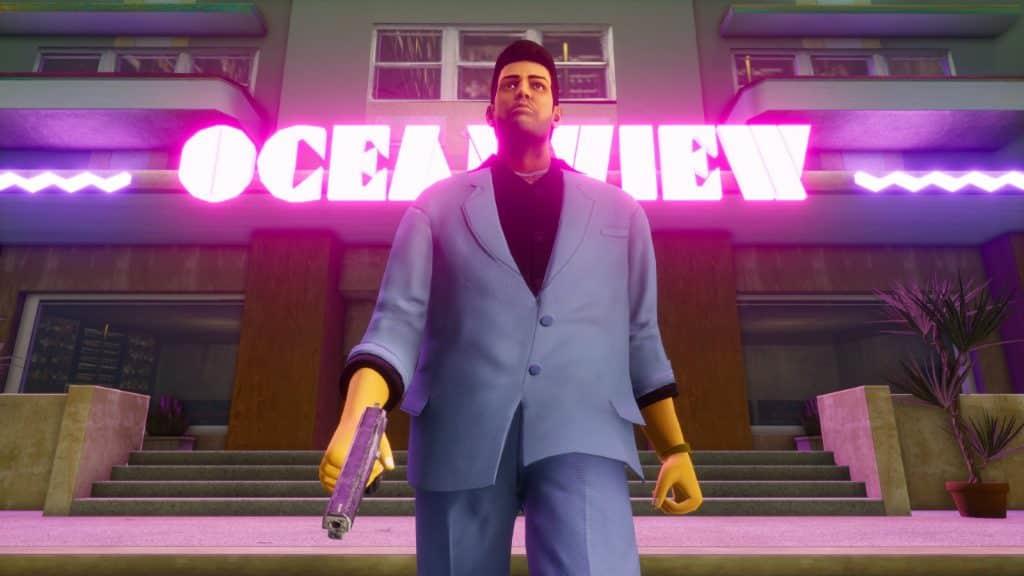
Following extensive anticipation, Rockstar Games finally previewed the remastered trilogy. The enhanced graphics are evident, but a parallel concern has emerged regarding whether the titles’ more contentious elements will survive intact in today’s climate.
For many, the original Grand Theft Auto trilogy represents a specific era of gaming commentary. Whether it’s the neon-soaked decadence of Vice City or the gang-rivalry narratives of San Andreas, these games were products of their time, fearlessly employing satire and stereotype. The core question for returning players isn’t just about improved textures or lighting, but whether the foundational tone—the biting, often uncomfortable humor—has been recalibrated to align with 2023’s social-political landscape. This anxiety over creative censorship is now a central topic in fan forums and social media discussions.
 Rockstar Games
The remastered trilogy’s visual foundation is Unreal Engine 4.
Rockstar’s legacy is built on holding a funhouse mirror to society. The narratives serve as exaggerated critiques, from GTA 5’s scathing take on hollow consumerism and the fractured American dream to GTA 3’s gritty portrayal of organized crime. This satirical approach is intrinsic to the series’ identity.
Case Study: The Phil Cassidy Controversy
Engaging with sensitive themes inevitably means depicting controversial symbols and ideas. A segment of the fanbase argues this is non-negotiable; it’s the very mechanism that gives Rockstar’s storytelling its teeth and justifies its description as a series that “laughs in the face of political correctness.” A prime example emerged from the trailer: the character Phil Cassidy (voiced by Gary Busey). Observant fans spotted that his jacket in the Definitive Edition no longer bears the Confederate flag insignia present in the original. For advocates of preservation, this edit misses the point. As one fan articulated, the original use wasn’t an endorsement but a tool for mockery and character flavor—a crucial distinction that they feel is lost in the alteration. “The fact that it is used as a means of mocking stereotypes, that’s the whole point!” they emphasized.
Broader Implications for Game Development
This debate touches on a fundamental tension in modern media restoration. One perspective champions the use of diverse, even objectionable, character traits as essential tools for building complex, believable worlds and narratives. Conversely, another viewpoint laments what they see as a trend toward sanitization. Critics of the changes worry that Vice City, in particular, might emerge as a “censored, watered-down version,” arguing that such revisions underestimate the audience’s capacity to understand satire. A more pointed critique suggests that in making these alterations, “Rockstar has become the thing they mocked for so long,” implying a shift from counter-cultural critic to mainstream accommodator. The final verdict awaits the release of the Definitive Editions on November 11.
Practical Tip for Players: To form a balanced opinion, avoid relying solely on trailer snippets. Upon release, directly compare specific scenes or dialogue from the original and remastered versions. Research statements from the developers at Grove Street Games and Rockstar regarding their editorial philosophy for this project. This moves the discussion from speculation to evidence-based analysis.
Common Mistake to Avoid: Conflating personal nostalgia with objective artistic assessment. It’s easy to resist any change to a beloved classic. Try to differentiate between alterations that genuinely neuter the narrative’s intent versus those that are minor aesthetic updates or legitimate corrections of outdated technical glitches.
How to Approach Remastered Content Critically
Optimization Strategy for Critical Engagement: Advanced players and critics can adopt a structured evaluation framework. First, create a list of key satirical moments, characters, and dialogue from the original trilogy that you consider essential. Upon playing the remaster, methodically check each item, noting if it’s unchanged, altered, or removed. Second, analyze the *context* of any change—does it feel like a safety-driven edit, or does it potentially refine the joke without blunting it? Finally, engage with the community debate by presenting your findings with specific examples, elevating the conversation beyond generalities.
The upcoming release is more than a simple re-release; it’s a litmus test for how classic, edgy content is handled in a new era. Whether the changes are perceived as prudent updates or unacceptable censorship will depend on each player’s lens. By preparing a critical framework and seeking concrete evidence, fans can ensure their opinions are informed and substantive, contributing meaningfully to this important industry conversation.
No reproduction without permission:SeeYouSoon Game Club » GTA players concerned about “censorship” in remastered trilogy Analyzing fan concerns over censorship in GTA remasters and strategies to engage with evolving game content.