
GTA Online Los Tuners racing plagued by lag: Player frustrations, community demands, and potential fixes analyzed
The Promise vs. Reality of Los Santos Tuners
The Los Santos Tuners update fundamentally shifted GTA Online’s focus toward competitive street racing and automotive customization culture. Rockstar Games delivered an impressive array of new vehicles, tuning options, and race types designed specifically for car enthusiasts. However, this racing-centric expansion has exposed critical flaws in the game’s underlying infrastructure that weren’t as apparent during casual gameplay sessions.
The racing community’s excitement quickly turned to frustration as persistent lag issues began undermining the very experiences the update was designed to enhance.
Rockstar’s LS Tuners patch introduced seventeen new vehicles alongside comprehensive customization systems and dedicated racing environments. Players anticipated this would elevate competitive racing to new heights, with precise vehicle handling becoming crucial for victory. Unfortunately, server instability has created an environment where technical performance often outweighs driving skill. The racing community has documented a significant increase in lag-related incidents since the update’s deployment, with many players reporting that previously stable connections now suffer from unpredictable latency spikes. This isn’t merely about occasional inconvenience—it fundamentally breaks the competitive integrity of races where milliseconds determine podium positions.
When Lag Strikes: Real Player Experiences
The Reddit user known as Ducky935 experienced what many racers now fear: achieving a personal best lap time only to have it destroyed by sudden lag. During a particularly competitive race, Ducky935 executed a risky but calculated shortcut through a back alley, narrowly avoiding a dumpster that could have ended their run. The momentary success turned to frustration when lag froze the game at a critical moment, causing their vehicle to collide with the obstacle they had just skillfully avoided.
What makes this incident particularly galling for the racing community is the apparent inconsistency in how lag affects different players. In Ducky935’s case, the dumpster they collided with seemed to phase harmlessly through the vehicle immediately behind them, suggesting synchronization issues between player clients. This creates competitive imbalances where some racers experience obstacles differently than others. Community analysis suggests these aren’t isolated incidents but rather symptoms of systemic issues with how GTA Online handles real-time position updates during high-speed racing scenarios.
 Rockstar Games
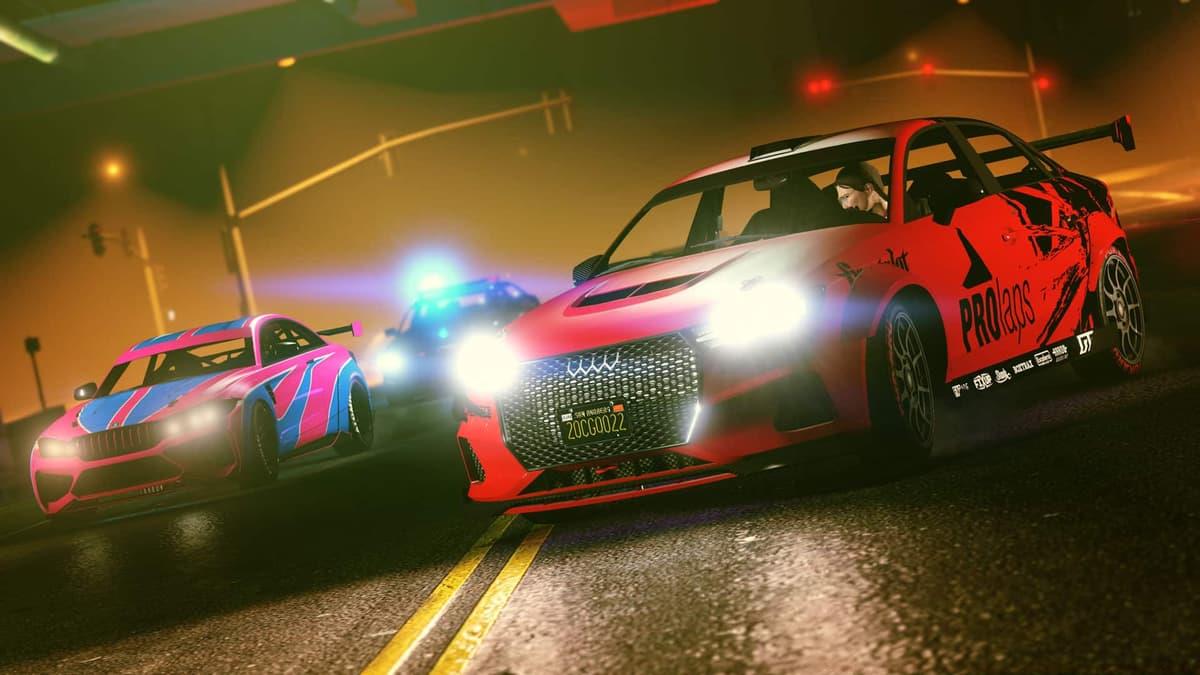
The precision required for Los Tuners racing makes lag particularly devastating to player experience and competitive fairness.
Community sentiment reflects growing concern that connection quality no longer guarantees stable gameplay. “The random moments of lag have gotten worse and more prevalent across the board,” noted one experienced racer. This suggests the issue isn’t limited to individual connection problems but represents broader server-side performance degradation. Racing enthusiasts argue that when milliseconds separate winners from losers, consistent server performance isn’t a luxury—it’s a fundamental requirement for the content Rockstar has developed.
Technical Analysis: Why Lag Disproportionately Affects Racing
Racing content places unique demands on GTA Online’s infrastructure that other gameplay modes don’t require. During standard freeroam sessions, minor lag might cause momentary visual glitches or delayed responses. In racing scenarios, however, the game must maintain precise synchronization of multiple vehicles moving at high speeds through complex environments, all while calculating real-time physics for collisions, drifts, and custom vehicle modifications.
The Los Tuners update’s sophisticated vehicle handling models and customization options have exponentially increased the data synchronization requirements between players and servers.
Three technical factors contribute specifically to racing lag: First, vehicle customization data must synchronize across all players in real-time, as visual modifications affect hitboxes and performance characteristics. Second, race environments feature more dynamic objects and complex physics than standard freeroam areas. Third, the precision timing required for optimal racing lines means players notice latency that would be imperceptible during casual gameplay. The community has observed that lag spikes frequently occur during specific racing moments: when multiple players cluster together, during complex environmental interactions (like the dumpster incident), or when custom vehicle parts load into the session.
Advanced players have identified patterns suggesting the issue relates to how Rockstar’s servers prioritize data packets. During racing, position updates should receive highest priority, but community testing indicates cosmetic and environmental data sometimes takes precedence, creating the rubber-banding effect where cars appear to jump between positions. This technical shortcoming becomes particularly problematic in the close-quarters racing that Los Tuners encourages, where maintaining consistent positioning relative to other vehicles is crucial for both strategy and safety.
Practical Strategies for Mitigating Race Lag
While awaiting potential fixes from Rockstar, competitive racers have developed several strategies to minimize lag impact. These approaches won’t eliminate server-side issues but can reduce their frequency and severity during critical racing moments.
Connection optimization begins before entering Los Santos: hardwired Ethernet connections consistently outperform Wi-Fi, and closing bandwidth-intensive applications can reserve resources for GTA Online.
Session management proves crucial—smaller race lobbies (8-12 players) experience significantly fewer synchronization issues than full 30-player sessions. Advanced players recommend creating race-specific sessions through the interaction menu rather than joining public lobbies. Additionally, racing during off-peak hours (late night to early morning local time) often provides more stable server performance. Hardware considerations include ensuring your system meets or exceeds recommended specifications, as client-side rendering lag can compound server issues. On consoles, clearing cache regularly has shown measurable improvements for some players.
Common mistakes that exacerbate racing lag include joining sessions from different regions (increased ping), using elaborate custom vehicles with complex modifications in crowded lobbies, and attempting races immediately after loading into a session before assets fully populate. Optimization tips for serious competitors include disabling unnecessary visual effects, reducing draw distance settings during races, and avoiding the use of certain vehicle modifications known to cause synchronization issues (particularly neon underglow and specific wheel types that have historically caused rendering problems).
Community Demands and Developer Response
The GTA Online community’s primary request isn’t for more content but for stabilization of existing systems. Players acknowledge Rockstar’s continued support through updates like Los Santos Tuners but argue that technical infrastructure must keep pace with content expansion.
Effective feedback channels include Rockstar’s official support system, structured community petitions, and documented bug reports with specific reproduction steps.
Community organizers have begun compiling comprehensive lag incident reports, noting patterns related to specific races, vehicle types, and session conditions. This data-driven approach aims to provide Rockstar with actionable information rather than generalized complaints. The prevailing sentiment suggests players would willingly accept slightly longer intervals between major content updates if those cycles included dedicated performance optimization patches. Historical precedent offers some hope: previous GTA Online updates have eventually received performance improvements after initial deployment issues, though the timeline remains uncertain.
Looking forward, the community hopes Rockstar will address these issues before expanding racing content further. The concern is that additional racing-focused updates without infrastructure improvements could render competitive racing increasingly unstable. For now, players continue enjoying the substantial content Los Santos Tuners provides while implementing their own mitigation strategies and collectively advocating for the technical attention this popular game mode deserves.
No reproduction without permission:SeeYouSoon Game Club » GTA Online LS Tuners lag keeps ruining races and players want a fix GTA Online Los Tuners racing plagued by lag: Player frustrations, community demands, and potential fixes analyzed