
Granblue Fantasy: Relink delivers thrilling anime-style action with deep RPG mechanics and satisfying progression
Introduction: From Mobile to Mainstream
Granblue Fantasy: Relink represents Cygames’ ambitious transition from mobile gaming to premium console experiences. This action RPG transforms the beloved gacha franchise into a fully-realized adventure that maintains the series’ core identity while expanding its reach.
Having experienced the original Granblue Fantasy during its peak popularity, I understand both the appeal and pitfalls of the gacha model. The transition to a fixed-price premium game eliminates the predatory monetization while preserving the addictive progression loops that made the original compelling. Cygames has successfully translated a decade of mobile development expertise into a polished console experience that respects players’ time and investment.
- Price: $59.99/$99.99 (Deluxe)
- Release Date: 1 February 2024
- Platforms: PC, PlayStation 4 & 5
Story and Narrative Approach
The narrative structure of Relink operates like a condensed anime film adaptation, assuming prior familiarity with the Granblue universe. This approach delivers breakneck pacing that catapults players from humble beginnings to world-threatening conflicts within hours rather than dozens of sessions. The storytelling prioritizes momentum over meticulous world-building, creating an experience that feels both epic and accessible.
Character development occurs primarily through Fate Episodes – optional vignettes that provide backstory and permanent stat boosts. These segments utilize static character models with voice-over narration rather than fully animated cutscenes, a practical compromise given the massive roster. While visually limited, these episodes contain genuinely compelling writing that adds depth to the ensemble cast.
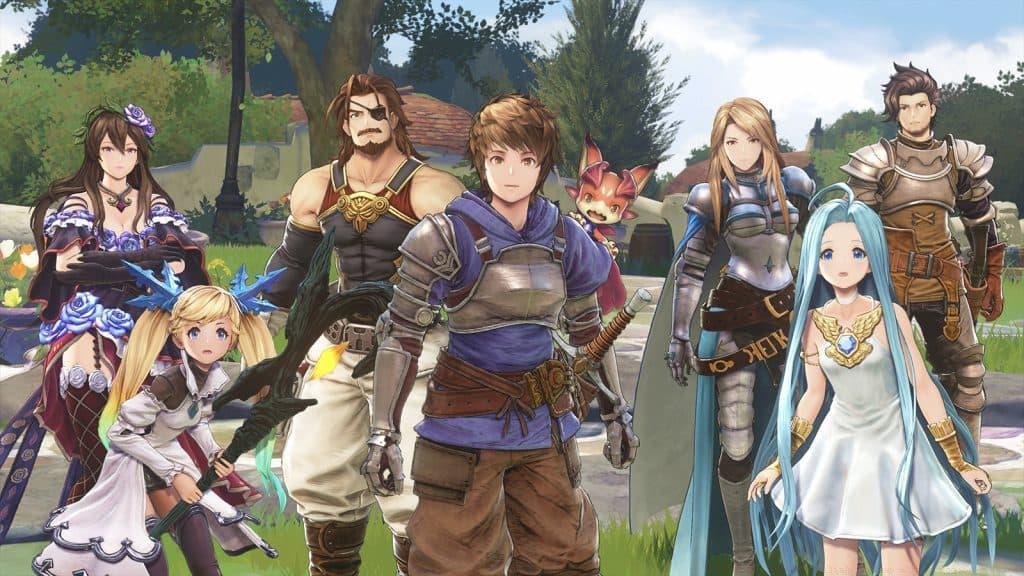
The main storyline embraces classic JRPG tropes with three distinct henchmen serving a larger antagonist manipulating colossal creatures. This familiar framework provides comfort rather than innovation, executed with such sincerity that it becomes endearing rather than derivative. The narrative never attempts to subvert expectations, instead focusing on delivering a polished execution of proven formulas.
Core Gameplay Mechanics
Combat in Relink combines accessible button-mashing fundamentals with surprisingly deep strategic layers. The initial simplicity of basic attack combos gradually reveals complex character-specific mechanics that dramatically alter playstyles. Each of the 20 playable characters features unique combat roles and control schemes that transcend simple statistical differences.
The elemental weakness system encourages strategic party composition, though solo players face limitations with the mandatory wind-element protagonist. Later stages introduce insta-kill mechanics and complex boss patterns that demand mastery of dodge timing and ability management. The game strikes an excellent balance between approachability and challenge, with generous revival systems preventing frustration during learning curves.
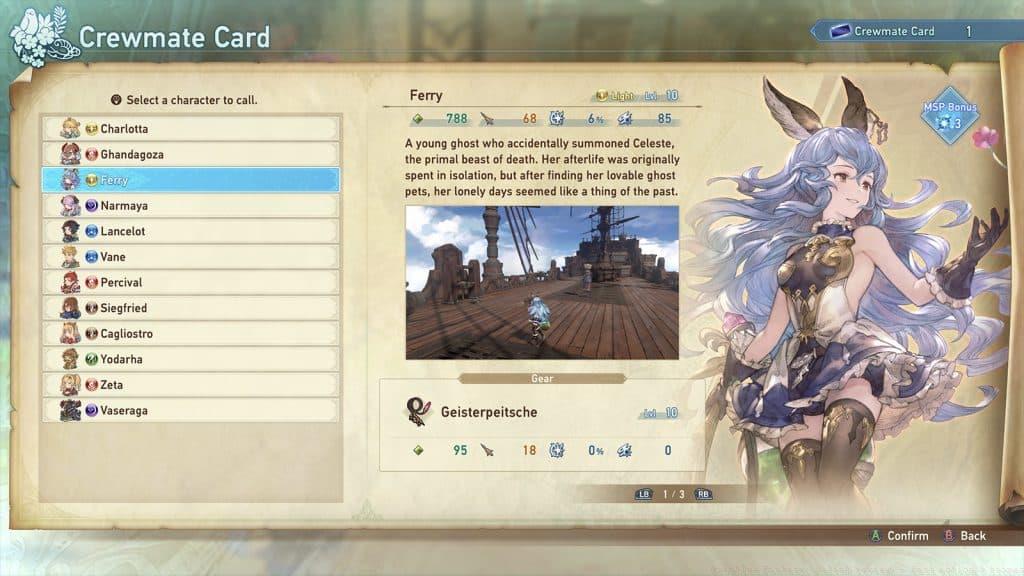
Progression systems encompass three distinct skill trees per character alongside weapon upgrades and mastery bonuses. The sheer volume of customization options can overwhelm initially, but the game gradually introduces complexity at a manageable pace. Post-campaign progression reveals the true depth of character building, with optimization requiring careful planning across multiple systems.
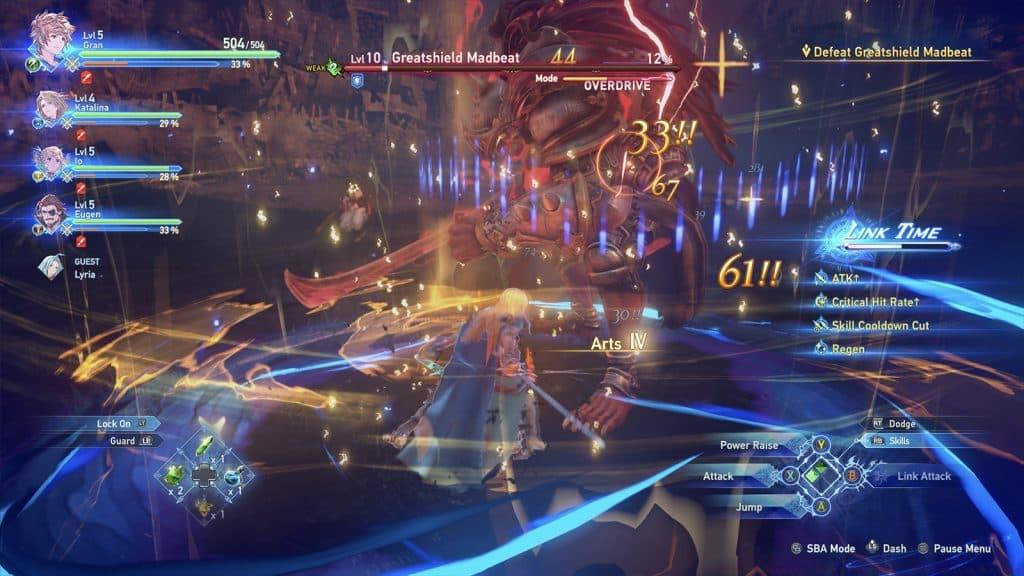
Link Attacks represent the pinnacle of cooperative gameplay, triggering spectacular team maneuvers when properly coordinated. These cinematic sequences not only deliver massive damage but also provide strategic breathing room during chaotic encounters. Mastering the timing and activation conditions for these attacks becomes crucial for tackling endgame content efficiently.
Game Structure and Design
The quest-based structure draws clear inspiration from Monster Hunter and Phantasy Star Online, blending story progression with repeatable content seamlessly. Town hubs serve as central points for upgrading gear, managing parties, and accessing both narrative missions and optional challenges. This design creates natural breakpoints that encourage experimentation with different gameplay approaches.
Completionists will find ample motivation in the tiered ranking system that evaluates performance across multiple criteria. The pursuit of S++ ratings provides enduring engagement beyond simple completion, though the time-limited objectives can create tension between efficient clearing and thorough exploration. Smart pacing ensures these optional challenges enhance rather than obstruct the core experience.
Post-game content substantially expands the experience with new difficulty levels, additional character episodes, and challenging boss encounters. The much-referenced “real game starts now” concept applies genuinely here, with progression systems opening up significantly after the credits roll. This extended gameplay loop maintains the satisfying reward frequency that characterizes the best live service games without the associated monetization.
Technical Performance and Platforms
Visual presentation stands as a major strength, with vibrant anime aesthetics and spectacular particle effects during combat sequences. The art direction successfully translates the distinctive Granblue Fantasy style into fully 3D environments while maintaining the series’ signature character designs. Performance remains consistently solid across all platforms, with particular optimization for PlayStation systems.
PC players benefit from generally excellent performance, though customization options remain limited to preset configurations. The Steam Deck experience proves serviceable with 30-40 FPS targets, though the lack of 16:10 support creates noticeable black bars on the handheld’s display. These minor compromises don’t significantly impact the overall experience, making Relink a strong portable gaming option.
Multiplayer functionality integrates seamlessly with the core gameplay loop, though matchmaking availability during the review period limited comprehensive testing. The design clearly anticipates cooperative play with mechanics like shared Link meters and coordinated attack opportunities. Solo players receive competent AI companions that handle basic combat effectively without advanced tactical control.
Final Verdict and Recommendations
Granblue Fantasy: Relink succeeds as both a franchise extension and a standalone action RPG achievement. The game respects player agency by offering substantial depth without mandatory grinding, creating an experience that accommodates both casual enthusiasts and dedicated min-maxers. The balanced difficulty curve ensures accessibility while providing genuine challenges for those seeking mastery.
While the narrative follows conventional patterns and side content lacks narrative depth, these shortcomings pale against the exceptional combat system and rewarding progression. The game understands its strengths and focuses execution accordingly, delivering one of the most satisfying action RPG experiences in recent memory. For fans of character-driven combat and substantial post-game content, Relink represents an easy recommendation.
The transition from gacha to premium model proves overwhelmingly successful, retaining the addictive progression that defines the series while eliminating predatory monetization. This achievement sets a compelling precedent for future franchise adaptations and establishes Cygames as a serious contender in the premium gaming space. If you click on a product link on this page we may earn a small affiliate commission.
No reproduction without permission:SeeYouSoon Game Club » Granblue Fantasy: Relink review – Fast action & tropes Granblue Fantasy: Relink delivers thrilling anime-style action with deep RPG mechanics and satisfying progression