
Exploring Genshin Impact’s narrative evolution and player concerns about integrated quest structures
The Evolution of Storytelling in Genshin Impact
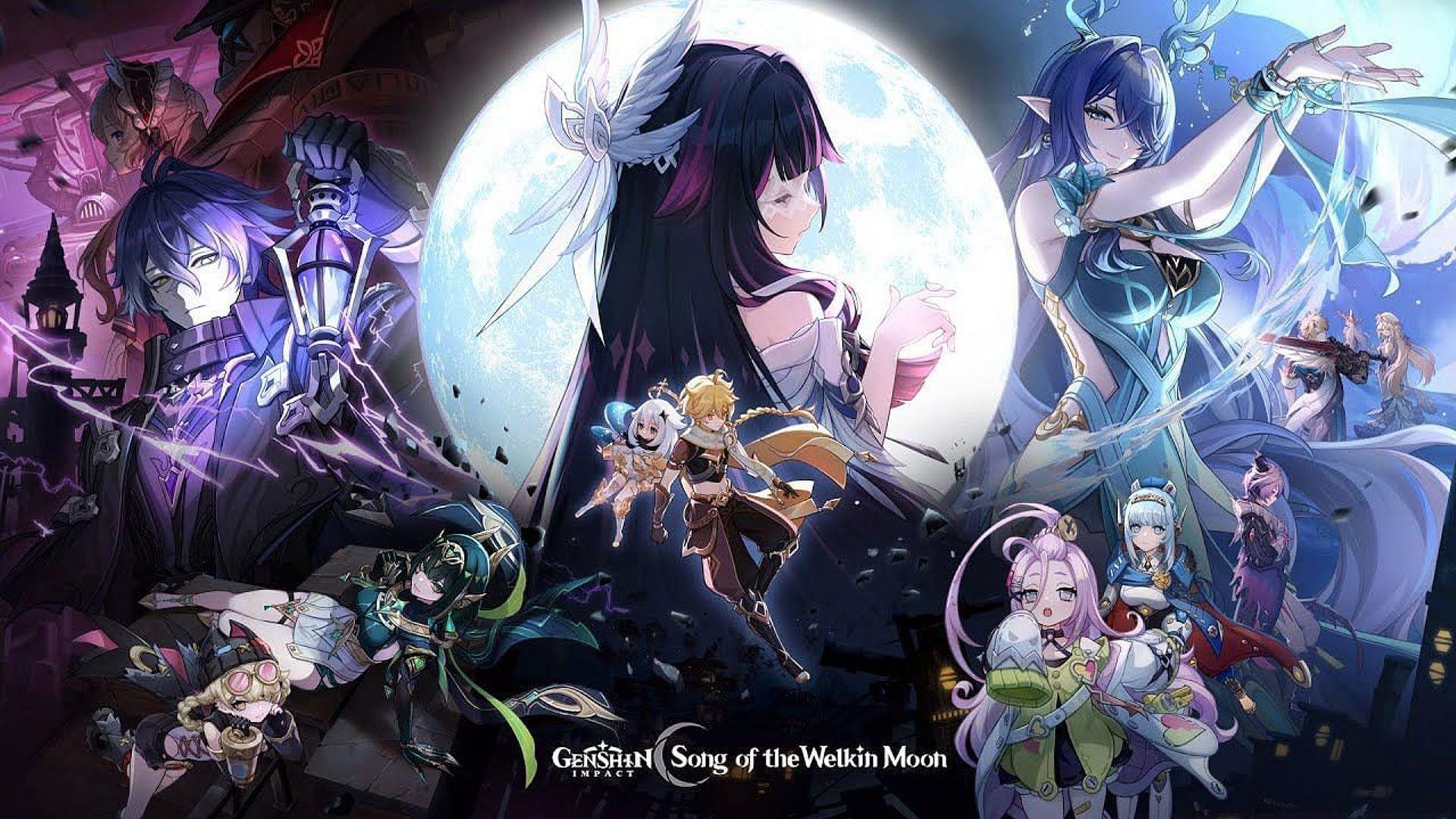
HoYoverse’s official announcement for the upcoming Luna I version reveals significant structural changes to Genshin Impact’s narrative delivery. The development team plans to merge character-specific Story Quests directly into the primary Archon Quest storyline for Nod-Krai updates. While the reward structure remains consistent with previous versions, the fundamental approach to character development and world-building will undergo substantial transformation.
This integration strategy represents a departure from Genshin Impact’s traditional compartmentalized storytelling, where character backstories typically existed as separate, optional content. The new format aims to create a more cohesive narrative experience but risks overwhelming players with concentrated lore density.
Looking for Crossword hints & solutions? Check out latest NYT Mini Crossword Answers, LA Times Crossword Answers, and Atlantic Crossword Answers
Many community members have expressed cautious optimism regarding these changes, citing HoYoverse’s demonstrated proficiency in character-driven narratives throughout earlier content updates. However, concerns linger about maintaining the signature pacing that has defined Genshin Impact’s main storyline since launch.
Learning from Honkai Star Rail’s Approach
We witnessed preliminary implementation of this revised narrative framework during Genshin Impact’s version 5.8 Archon Quest, specifically in the Song of the Welkin Moon Prelude. This storyline placed greater emphasis on exploring Ineffa’s historical background while subtly introducing Nod-Krai elements. Reception among the player base was divided—while many appreciated the expanded mythological context, others perceived the execution as resembling a character quest forcibly inserted into the primary narrative arc.
The storytelling methodology bears striking resemblance to HoYoverse’s current approach in Honkai Star Rail’s Amphoreus narrative arc. Within that game’s Trailblaze Mission progression, persistent temporal shifts and alternating viewpoints have generated confusion and narrative fatigue for certain players. Despite the recent implementation of scene-skipping functionality in newer updates, many community members report feeling that the storyline remains excessively protracted, with version 3.5’s primary content requiring nearly six hours to complete under standard play conditions.
This cross-game comparison provides valuable insights into potential challenges Genshin Impact may encounter. Players familiar with both gaming ecosystems recognize that narrative pacing represents a critical differentiator between the two titles, with Genshin traditionally maintaining tighter story progression.
Community Perspectives and Expectations
Veteran players of both HoYoverse titles voice shared apprehensions regarding this narrative direction. Genshin Impact has cultivated a distinguished reputation for delivering meticulously paced Archon Quests throughout its operational history. The prevailing concern centers on how character narrative integration might compromise this carefully established equilibrium if implemented without sufficient refinement.
With Genshin Impact’s Luna I update approaching imminent release, community expectations regarding execution quality have reached unprecedented levels. This version promises to introduce the most mythology-rich region encountered to date, weaving together numerous faction narratives, Moon Sisters lore, Columbina’s evolving role, and the ancient Hyperborean civilization’s legacy. Should the integrated storytelling format fail to resonate with players, it could significantly impact the broader player community’s engagement and satisfaction.
The development team faces the complex challenge of balancing narrative depth with accessibility—a tension that becomes increasingly pronounced as game worlds expand and character rosters grow. Community feedback during the Luna I early access period will likely prove instrumental in shaping future narrative directions.
Strategic Tips for Navigating New Quest Formats
Adapting to Genshin Impact’s evolving narrative structure requires strategic adjustments to gameplay approaches. Consider implementing these techniques when engaging with integrated quest content:
Progressive Engagement Strategy: Instead of marathon gaming sessions, break extended narrative segments into manageable 60-90 minute blocks. This approach enhances lore retention while reducing cognitive fatigue from complex storyline elements.
Character Relationship Mapping: Maintain brief notes on key character connections and faction alliances. The integrated format introduces multiple narrative threads simultaneously, making relationship tracking essential for comprehension.
Dialogue Skipping Tactics: Utilize the skip functionality selectively rather than comprehensively. Focus on bypassing repetitive exchanges while preserving critical plot revelations and character development moments.
Community Resource Utilization: Leverage fan-maintained wikis and story summary resources to fill comprehension gaps without sacrificing immersion through excessive pausing during gameplay sessions.
No reproduction without permission:SeeYouSoon Game Club » Genshin Impact’s upcoming version Luna I comes with a new storytelling style Exploring Genshin Impact's narrative evolution and player concerns about integrated quest structures