
Exploring Teyvat’s ancient origins, dragon sovereigns, and cosmic mysteries beyond the Archons
The Primordial World: Before the Archons
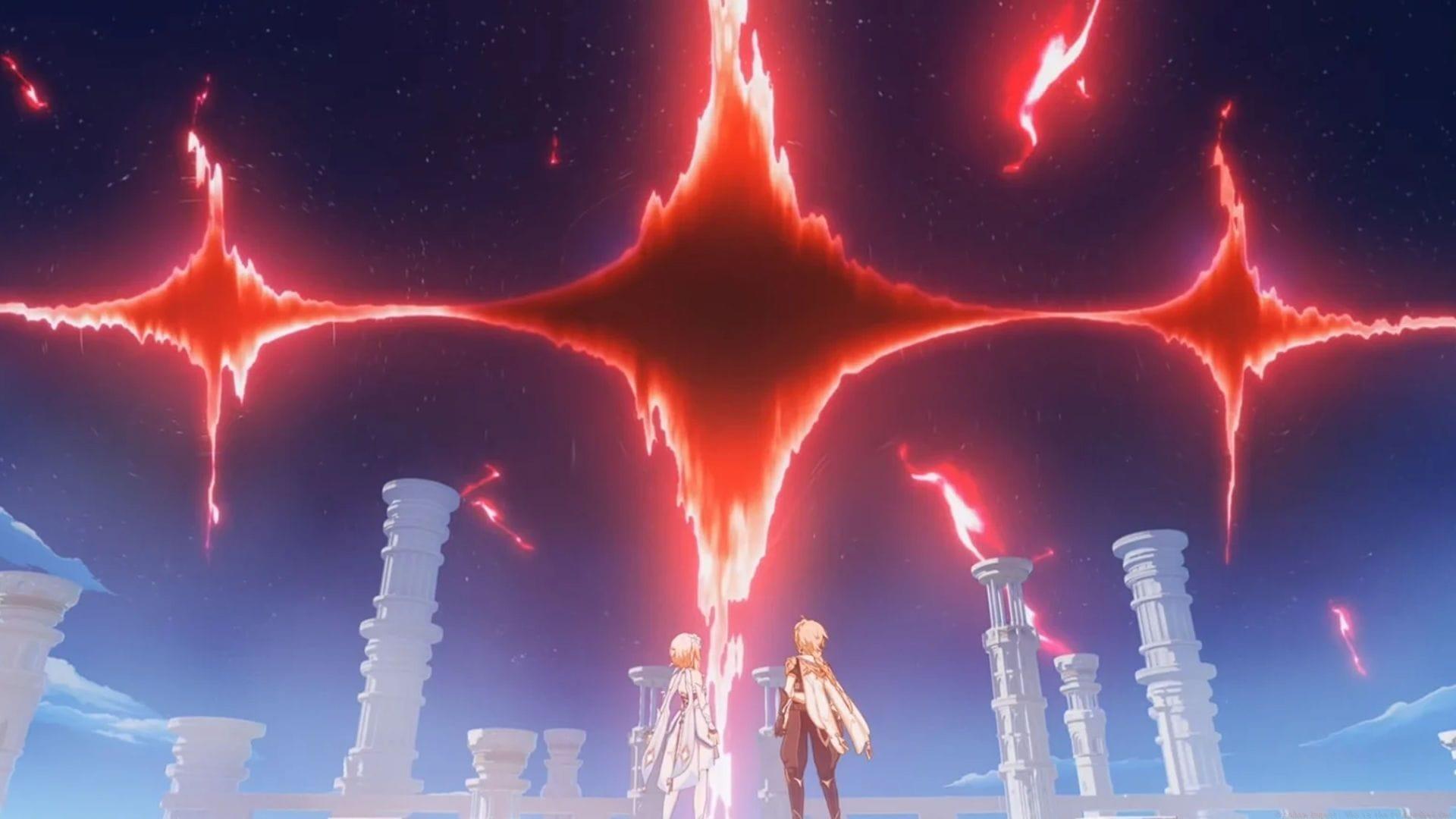
The Chinese term Genshin (原神) literally means ‘Original God,’ pointing toward a foundational divine entity central to Teyvat’s creation mythology. This linguistic clue suggests the game’s narrative extends well beyond the surface-level conflicts between Archons and spans cosmic-scale events that shaped reality itself.
Important: Certain elements discussed remain speculative and lack full confirmation within current game content as of publication.
Before the current celestial hierarchy emerged, Teyvat existed as a domain governed by primordial elemental dragons called Sovereigns. The dragon king Nibelung represented the pinnacle of this ancient order, emerging concurrently with Teyvat’s very existence according to surviving fragments of pre-Celestial lore.
Advanced players should note that understanding this pre-history significantly enhances comprehension of modern Teyvat’s political and magical structures. The dragon sovereigns weren’t merely powerful beasts but embodiments of elemental principles that shaped the world’s fundamental laws.
Cosmic Entities and Divine Powers
Datamined information references an entity called ‘Asmoday,’ potentially derived from Asmodeus—a powerful demonic monarch featured in the Ars Goetia from the Lesser Key of Solomon. This connection suggests deliberate mythological borrowing that informs the character’s potential role and motivations.
Current theories propose this being oversees metaphysical domains related to nothingness, encompassing concepts like absence, predetermined fate, and ultimate oblivion. While exact intentions remain mysterious, this entity likely functions as the primary active enforcer of the Heavenly Principles maintaining Teyvat’s current divine structure.
The Legacy of the Primordial One and the Shining Shades
The enduring influence of these ancient cosmic forces manifests throughout contemporary Teyvat. Organizations including the Abyss Order, Fatui, and survivors from Khaenri’ah actively work to dismantle the Heavenly Principles, viewing their governance as fundamentally unjust and oppressive.
Historical catastrophes like Enkanomiya’s collapse, the immortality curse affecting certain characters, and dangerous forbidden knowledge all connect back to primordial conflicts involving creation, rebellion, and existential survival. The concept of the false firmament represents an artificial barrier erected by Celestia to block external threats while restricting humanity’s potential for divine ascension.
Gnostic Influences and Philosophical Foundations
Genshin Impact incorporates substantial elements from Gnostic philosophy, particularly the concept of a flawed material world created by a false deity (the Demiurge) that traps divine essence within physical forms. The spiritual objective involves ascending through successive layers of archonic barriers to ultimately reunite with the true divine source (Monad).
This philosophical framework directly mirrors the Traveler’s progression through Teyvat’s seven nations, with each region revealing deeper truths about the world’s nature and the concealed realities governing existence. The gradual unveiling of secrets in each territory parallels the Gnostic journey toward enlightenment.
The Primordial One (or Phanes) bears resemblance to Protophanes, the ‘First Appearing One’ within Gnostic tradition. The central conflict between celestial order and forbidden knowledge reflects the eternal struggle between control mechanisms and liberating enlightenment that defines Gnostic cosmology.
Players often miss how deeply these philosophical underpinnings affect character motivations and story arcs. Recognizing these influences provides predictive insight into future narrative developments and character decisions.
Modern Consequences and Ongoing Conflicts
Figures including King Deshret, the Khaenri’ahns, Fatui Harbingers, and the Traveler collectively seek to penetrate the celestial illusion, potentially aiming to transcend its limitations. This shared objective unites otherwise disparate factions in their opposition to Celestia’s governance.
As the narrative progresses toward Natlan and Snezhnaya, these ancient cosmic mysteries—particularly concerning the Primordial One and Heavenly Principles—increasingly dominate the central storyline. Teyvat’s reality encompasses far more than elemental magic and divine commandments; it conceals profound truths about cosmic-level betrayals and foundational deceptions.
The ultimate nature of the sky, the genuine origin of deities, and the true purpose of Visions threaten to dismantle the Traveler’s established understanding of this world. The fundamental question driving player engagement remains: What power truly governs Teyvat, and what motivations underlie their rule?
A common mistake players make is underestimating how these cosmic-scale conflicts influence seemingly minor gameplay elements. Regional politics, character backstories, and even artifact lore often contain clues about these larger metaphysical struggles.
Advanced Lore Analysis Strategies
For players seeking deeper engagement with Teyvat’s cosmology, several research approaches yield significant insights. Cross-reference artifact descriptions with character stories to identify consistent mythological patterns. Analyze environmental storytelling in domains and ruins for clues about pre-Celestial history.
Avoid the common pitfall of taking character dialogue at face value—many figures possess incomplete knowledge or deliberate misconceptions about Teyvat’s true nature. Instead, compare multiple sources including books found in-game, artifact lore, and world quest dialogues to build a more accurate understanding.
Pay particular attention to recurring symbolic motifs like Irminsul connections, the significance of twins in mythology, and color symbolism in character designs. These often provide subtle hints about philosophical alignments and cosmic relationships that aren’t explicitly stated in main storyline dialogue.
Advanced optimization involves creating timeline maps of historical events mentioned across different sources and identifying contradictions that may indicate unreliable narrators or deliberately obscured truths. This method frequently reveals narrative breadcrumbs the developers have planted for future revelations.
No reproduction without permission:SeeYouSoon Game Club » Genshin Impact: Who is the Primordial One? Exploring Teyvat's ancient origins, dragon sovereigns, and cosmic mysteries beyond the Archons