
TL;DR
- Reboot Vans provide 120-second cooldown respawns vs Apex’s single-use beacons
- Collect reboot cards within 90 seconds for squad revival opportunities
- Fortnite respawns include basic gear while Apex players return empty-handed
- Strategic positioning near Reboot Vans enables multiple revives per match
- Team coordination separates card collection from activation for efficiency
The gaming landscape has fundamentally shifted with respawn mechanics becoming standard in leading battle royale titles. What was once a permanent elimination now offers redemption through strategic revival systems that reward coordinated team play.
Fortnite and Apex Legends continue their competitive dance, each borrowing and refining features from the other’s playbook. Apex introduced groundbreaking ping communication that Fortnite adapted, while Epic’s battle pass monetization model found its way into Respawn’s title. This cross-pollination drives innovation, with respawn mechanics representing the latest evolution in this ongoing feature exchange.
With Fortnite’s 8.30 update, Epic integrated Reboot Vans into core gameplay modes, moving beyond limited-time experiments. This permanent addition mirrors Apex’s established Respawn Beacon system but introduces distinct tactical variations that change squad dynamics.
Reboot Vans serve as strategic revival points scattered across Fortnite’s map in team-based modes. Both Fortnite’s system and Apex’s approach share the core premise: when squad members face permanent elimination rather than temporary knockdown, teammates can retrieve revival items within a critical time window.
You have exactly 90 seconds to secure your fallen comrade’s reboot card after their elimination. This creates intense risk-reward scenarios where teams must decide whether to prioritize revival or survival. Successfully delivering the card to a Reboot Van restores your teammate with basic equipment, though their combat effectiveness remains limited initially.
The card collection process demonstrates clever design efficiency. Once any teammate retrieves the reboot card, the entire squad gains access to use it at any available Reboot Van. This separation of collection and activation enables sophisticated team strategies where one member can secure the card while another positions at the van.
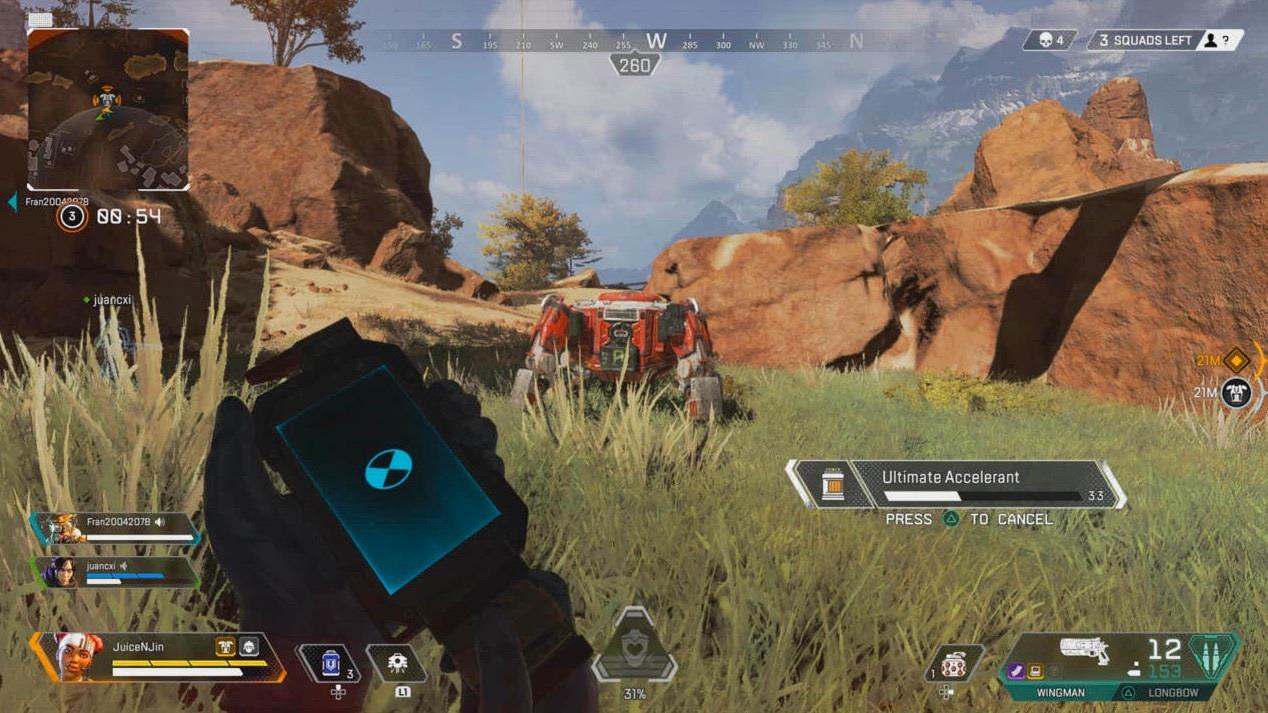
Strategic timing becomes crucial – the 90-second window forces decisive action while preventing indefinite revival attempts. Teams must quickly assess whether the revival attempt justifies exposing themselves to additional danger.
Vulnerability during revival presents the most dramatic contrast between systems. Apex’s Respawn Beacons summon highly visible drop ships that announce your position to the entire map, creating dangerous landing scenarios for returning teammates. Fortnite’s approach offers more subtle revival with players materializing directly on the van with minimal visual indicators.
Usage limitations separate the systems significantly. Apex features limited single-use beacons that permanently deactivate after one respawn, creating resource competition across squads. Fortnite’s Reboot Vans operate on a 120-second cooldown system, allowing strategic positioning near active vans for multiple revival opportunities throughout a match.
Respawn equipment provisions create critical gameplay differences. Apex players return completely unequipped, facing extreme vulnerability until they secure new gear. This creates challenging recovery scenarios where revived teammates often become liabilities rather than immediate assets.
Fortnite provides returning players with survival essentials: 100 health, a Common Pistol with 36 rounds, and 100 wood for emergency building. While not competitive against fully-equipped opponents, this baseline kit enables basic self-defense and mobility.
Mastering Reboot Van usage requires sophisticated team coordination. Designate specific roles: one player as card retriever, another as van security, and potentially a third providing overwatch. This specialization maximizes efficiency while minimizing exposure during critical revival windows.
Map positioning knowledge becomes paramount. Identify Reboot Van locations during early game exploration and note which remain active as the storm circle closes. Positioning near active vans during late-game scenarios can provide crucial revival opportunities when squad numbers matter most.
Common mistakes include attempting revives in high-traffic areas without proper cover, or wasting the 90-second window on indecision. Successful teams pre-plan their revival strategies, discussing potential scenarios before engagements occur.
Risk management dictates when revival attempts justify the danger. Evaluate your current equipment, storm position, and visible enemy activity before committing to a reboot. Sometimes preserving your remaining squad members proves wiser than risking their elimination for a questionable revival.
For players transitioning from Apex Legends, understanding these mechanical differences is essential. While the core concept remains familiar, the tactical applications and risk calculations differ significantly between systems.
Action Checklist
- Memorize Reboot Van locations during initial drop phase
- Practice card retrieval within 90-second time limit
- Coordinate team roles: retriever, activator, security
- Time Reboot Van cooldowns for multiple revival strategies
No reproduction without permission:SeeYouSoon Game Club » Fortnite’s Reboot Vans Will Be Very Familiar To Apex Legends Players Master Fortnite's Reboot Van system with strategic respawn tactics and Apex Legends comparisons