
TL;DR
- Red/blue territory lines show IO vs Resistance control with strategic advantages
- Building disabled until March 29 – replaced by tactical sprint, wall mounting, overshields
- Tanks and armored vehicles dominate combat with specific counter-strategies required
- War Effort donations fund turrets and battle buses for faction progression
- Siege Cannons enable rapid map traversal while military checkpoints provide loot advantages
Fortnite’s island becomes a strategic battleground in Season 2, where territorial dominance directly impacts your gameplay experience. The Resistance theme manifests through clear faction boundaries that dynamically shift throughout the season, creating evolving combat environments.
The most significant visual change appears as colored boundary lines across your minimap. Red demarcations indicate Imagined Order strongholds where enemy presence is heaviest, while blue zones represent Resistance-controlled safe territories. Early season analysis reveals IO domination over approximately 65% of the map, forcing Resistance players to adopt guerrilla warfare tactics. Understanding these zones is crucial because faction-controlled areas provide distinct tactical benefits – IO territories feature enhanced surveillance while Resistance zones offer quicker shield regeneration.
Strategic positioning within these territories requires careful planning. Landing in IO-controlled areas typically yields better loot but increased enemy encounters, while Resistance zones provide safer early-game looting at the cost of reduced weapon quality. This territorial system creates natural hotspots for PvP engagement, particularly along border regions where faction influence overlaps.
The War Effort donations system returns with enhanced functionality, allowing players to directly influence the ongoing conflict. Similar to Chapter 2’s Cube Legion funding mechanics, you can now contribute resources toward three major projects: player-operated light turrets, vehicle-destroying heavy turrets, and the game-changing armored battle bus. Data mining suggests mid-season updates will enable vehicle armor and turret customization for standard cars and trucks, potentially revolutionizing ground combat meta.
Heavy armor enters the fray with tanks that dominate open terrain despite their limited mobility. These armored vehicles feature 360-degree rotating turrets with explosive payloads and thermal imaging scopes for long-range target acquisition. Without building capabilities, tanks become nearly unstoppable without coordinated team efforts using the new anti-vehicle weaponry introduced this season.
The temporary building restriction imposed by IO forces necessitates mastery of new movement abilities. Your tactical options now include short-burst sprinting for rapid repositioning, wall mounting for improved firing positions, and a 50-point overshield that automatically regenerates after 8 seconds of avoiding damage. This fundamental shift from construction to mobility requires completely rethinking engagement strategies, similar to adapting to new vehicle combat dynamics in other tactical shooters.
When deploying into your first Season 2 matches, you’ll encounter numerous military checkpoints and forward operating bases that weren’t present previously. These installations typically contain concentrated loot spawns and ammunition caches, making them high-value landing zones despite increased player traffic.
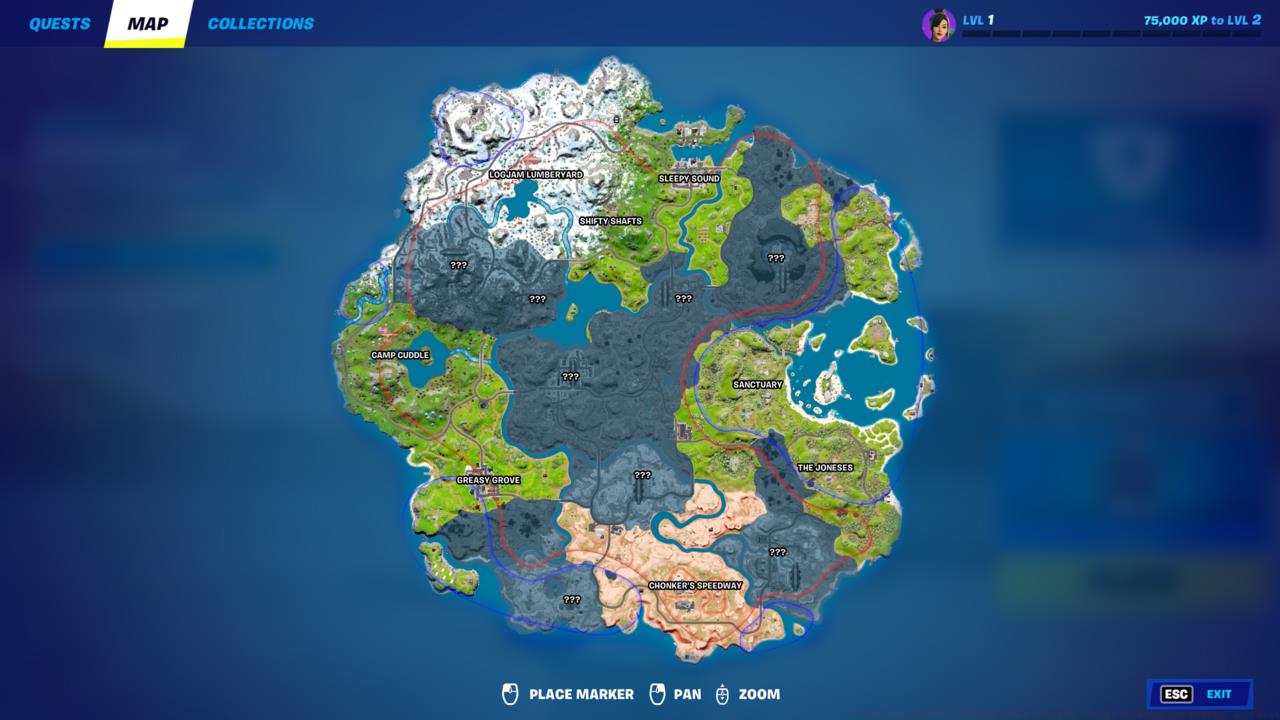
Here’s what the map will look like when you first jump into Season 2.
IO-dominated regions feature intimidating blimp deployments that provide aerial surveillance and occasional bombing runs. Meanwhile, Siege Cannons offer revolutionary mobility options, launching players across vast distances in single shots reminiscent of Sea of Thieves’ cannon travel mechanics. Mastering these launch trajectories can provide unexpected flanking opportunities and rapid zone rotations.
Notable absences include Klombos and Spider-Man Web Shooters, though community sentiment suggests potential reintroduction if narrative developments permit. The remaining wildlife population adds unpredictable elements to firefights, often revealing player positions or disrupting carefully planned engagements.
Adapting to the no-build meta requires fundamental changes to your combat approach. Prioritize positioning near natural cover and elevation advantages before engaging. The tactical sprint should be used for closing distances or disengaging, while wall mounting provides unexpected sightlines on unsuspecting opponents. Your overshield effectively adds 50 health, but remember it depletes first and requires nearly 10 seconds of safety to fully recharge.
Vehicle combat demands specific countermeasures against the new tank threats. Focus fire on tank treads to immobilize them, then use the thermal scope vulnerability window when they’re stationary to deliver critical hits. As you master these new mechanics, consider how they might apply to different class specializations for optimal team composition.
Territory control exploitation provides competitive edges – IO zones often contain better explosives and heavy weapons, while Resistance areas feature more healing items and mobility enhancements. This resource distribution encourages strategic movement between territories based on your current needs, much like managing resource allocation in our complete Battlefield guide strategies for map domination.
Common mistakes include overextending in enemy territory without escape routes, wasting overshield on unnecessary engagements, and underestimating siege cannon travel times. Advanced players should master the art of using faction boundaries as natural choke points for ambushes.
Action Checklist
- Analyze minimap territory colors before landing – red for high-risk/high-reward, blue for safer starts
- Practice movement combo: tactical sprint into wall mount for surprise attacks
- Master Siege Cannon trajectories to specific POIs for rapid rotation
- Coordinate tank takedowns with squad – one distracts while others disable treads
- Contribute to War Effort projects focusing on armored battle bus for end-game advantage
No reproduction without permission:SeeYouSoon Game Club » Fortnite Chapter 3 Season 2 Map Changes: Siege Cannons, IO Blimps, And More Master Fortnite Season 2's new map mechanics, territorial warfare, and no-build strategies for competitive advantage