
TL;DR
- Team Spirit’s TI11 failure stemmed from poor draft preparation and meta misreads
- BOOM Esports’ unexpected Magnus ban revealed intelligence gathering through public match data
- The roster remains motivated despite disappointment, with decisions pending team discussions
- Audio leakage from the arena created competitive disadvantages during matches
- Financial security from TI10 win allows complete focus on competitive Dota 2
Games and Esports Articles Dota 2
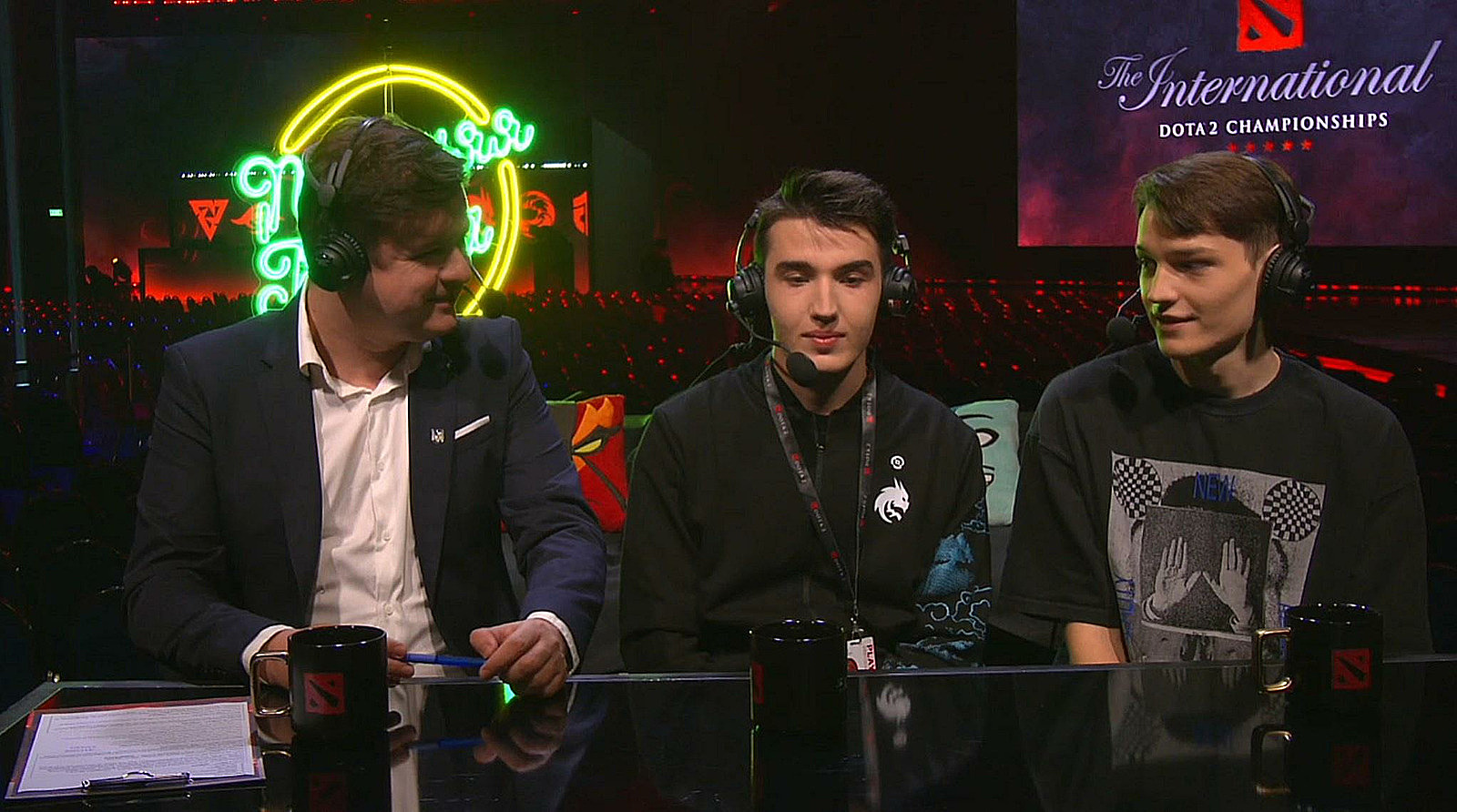
Team Spirit’s key players Magomed “Collapse” Khalilov and Miroslaw “Mira” Kolpakov recently appeared on a Russian esports talk show, providing candid insights about their disappointing performance at The International 2022. Hosted by former champion Oleksandr “XBOCT” Dashkevych, the discussion revealed critical strategic failures that led to their early exit.
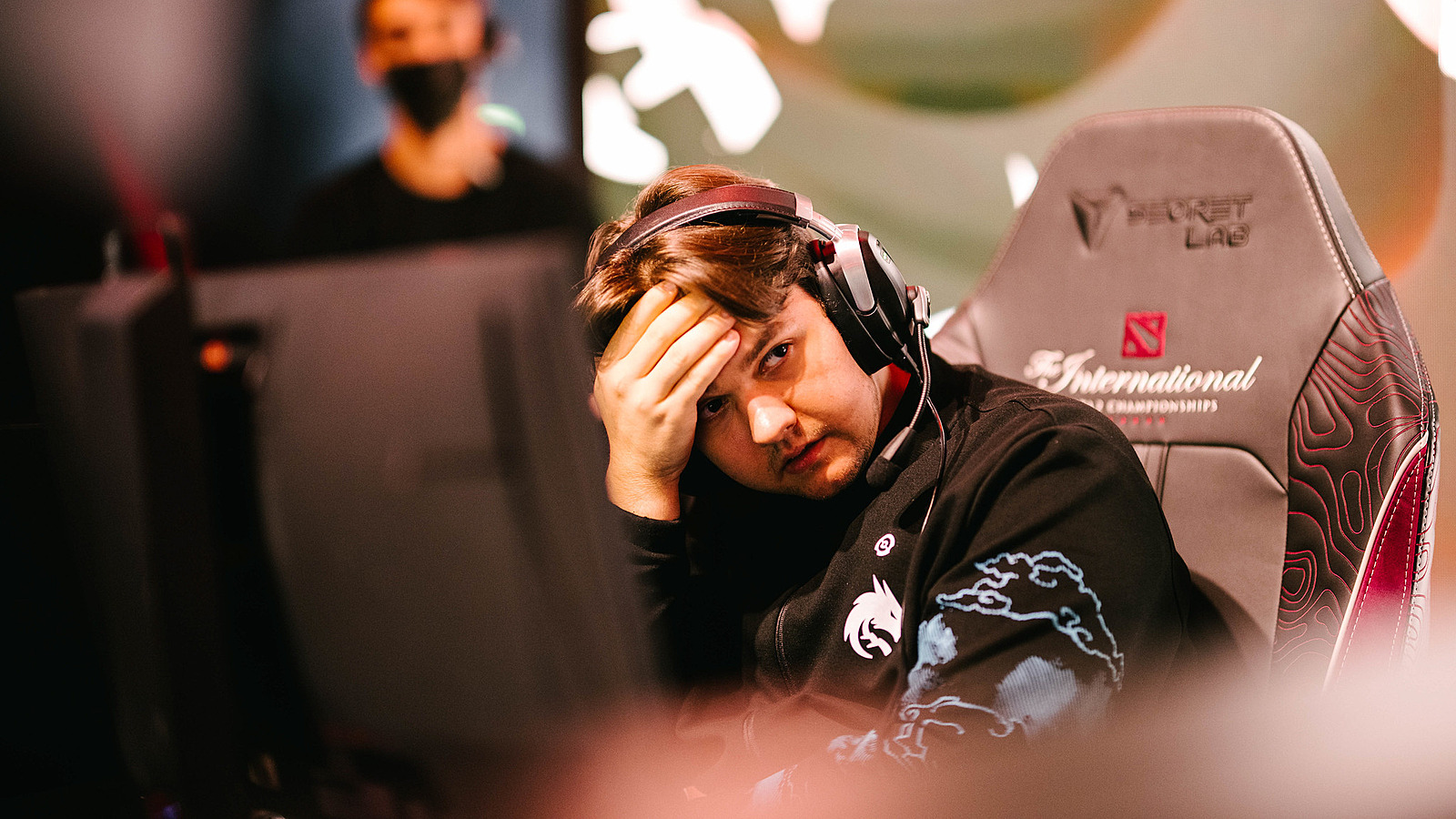
The most surprising revelation came from their elimination match against BOOM Esports, where an unexpected Magnus ban caught the defending champions completely off guard. Collapse admitted this strategic blindspot resulted from excessive hero practice on his main account, allowing opponents to gather valuable intelligence about their draft preferences.
— What were the primary factors behind your tournament performance? Was it meta misunderstanding or preparation deficiencies?
Collapse: This patch cycle didn’t align with our team’s strengths, and we consistently struggled with draft execution throughout the competition. When your hero selections lack synergy and strategic direction, gameplay becomes exponentially more challenging. Players attempt to compensate through forced engagements and suboptimal decisions. Our preparation quality simply wasn’t sufficient for this level of competition.
— Can you detail your preparation methodology? Did initial draft confidence evaporate or were problems evident from the beginning?
Mira: Our most practiced heroes during bootcamp—specifically Batrider and Earthshaker—became virtually unplayable in the tournament environment. I dedicated extensive practice to Earthshaker throughout our training period, only to discover his tournament winrate had plummeted to 20%. This forced an immediate adaptation to alternatives like Nyx Assassin, despite my limited experience with the hero.
Meta adaptation wasn’t the core issue in my assessment. Successful teams like beastcoast and Thunder Awaken demonstrated that sticking to comfort picks and established playstyles remains viable. Our fundamental preparation approach for this specific tournament proved inadequate from the outset.
Professional Dota 2 teams face constant pressure to balance practiced comfort picks with meta-appropriate selections. Spirit’s experience highlights the danger of over-relying on bootcamp strategies that don’t translate to the main stage. Teams must maintain flexible hero pools and adapt quickly when preferred strategies become ineffective.
— Have you conducted post-tournament evaluations regarding future direction? Were emotional reactions a significant factor?
Mira: We haven’t engaged in extensive discussions about our competitive future yet. Naturally, all team members feel disappointed with our performance, but I’m confident everyone remains committed to competitive Dota. Interestingly, motivation levels appear higher than before our elimination—this pattern typically follows significant losses in professional esports. Tournament exits, while disappointing, represent learning opportunities rather than catastrophic failures.
— Does this performance indicate roster changes are necessary?
Mira: That determination requires careful consideration. Before making any structural decisions, we need comprehensive internal discussions where each player can express their perspective openly. Only through this collaborative assessment can we determine our optimal path forward. These conversations haven’t occurred yet, leaving our competitive direction temporarily uncertain.
Successful esports organizations balance immediate performance with long-term development. Teams often face pressure to make roster changes after disappointing results, but maintaining team chemistry and established synergies frequently proves more valuable than reactive adjustments. The most effective teams conduct thorough performance reviews before considering structural changes.
— How significant was the difference between audience-present and audience-absent International experiences?
Collapse: The presence of live spectators doesn’t significantly impact my personal performance. I’ve developed effective pressure management techniques that allow consistent play regardless of environmental factors.
Mira: The audio design created substantial competitive disadvantages. During matches, players could clearly hear in-game sound effects from the arena despite wearing professional-grade headsets. Critical audio cues—smoke breaks, movement sounds, engagement reactions—all leaked through, providing unintended strategic information. This technical oversight by tournament organizers significantly impacted competitive integrity.
Professional players must adapt to various tournament conditions, but certain technical standards remain essential for fair competition. The audio leakage issue represents a significant oversight that professional tournaments must address to maintain competitive integrity across all matches.
— How dramatically has daily life transformed since claiming the Aegis of Champions?
Mira: Fundamentally, our lifestyle remains consistent with our pre-championship routine. The crucial difference involves financial security—we no longer worry about basic expenses like meals or accommodation costs. This stability enables complete focus on Dota 2 development without financial distractions. [Do you maintain dormitory residence?] Absolutely not. I departed from university housing simultaneously with leaving academic studies. Our requirements remain modest—we’re essentially dedicated gamers who primarily operate from home environments while pursuing competitive excellence.
Winning The International creates immediate financial freedom that transforms career perspectives. Players can focus entirely on skill development and competitive performance without secondary employment concerns. This represents a significant advantage in the highly competitive professional Dota 2 landscape.
— What strategic approach guided your draft against BOOM Esports? Collapse, did you personally advocate for the Outworld Devourer selection?
Collapse: I’ll reveal a critical strategic error—we should have avoided the Nyx Assassin pick entirely. Magnus represented the optimal choice, enabling teamfight control through Skewer and carry elimination capabilities. Personally, I overlooked that Mars functioned as both offlane and mid hero for our opponents, creating draft vulnerabilities we failed to anticipate.
Mira: The situation developed strangely—we hadn’t selected Magnus throughout the entire tournament, only utilizing him during scrimmages against regional Asian teams. BOOM’s decision to ban the hero during final draft stages seemed inexplicable initially. Somehow they obtained intelligence indicating we continued practicing the hero despite recent balance adjustments. This intelligence gathering appeared highly suspicious at the time.
Collapse: I bear responsibility for this intelligence leak—transitioning to my primary account for public matches provided the data they needed. My extensive Magnus practice, along with Primal Beast repetitions, created predictable patterns opponents exploited strategically.
“We picked heroes based on emotions, not logic, picked heroes that we lost to”. Bryle talks how success at scrims hurt TSM.FTX at TI11
Professional teams must balance practice effectiveness with strategic secrecy. Using primary accounts for hero specialization practice creates vulnerability to opponent analysis. Many top teams maintain separate accounts for strategic development to prevent this exact scenario.
— What motivated your decision to utilize your primary account for practice sessions?
Collapse: Before traveling to Malaysia, I exclusively practiced on alternate accounts. Upon arrival, I considered that continuing this approach might prevent recognition, potentially leading to role conflicts during matches. Utilizing my main account seemed advantageous since local fans generally support me. This strategy proved effective—I secured offlane position in every match without contention.
Team Spirit’s Class Guide principles apply similarly to Dota 2 hero specialization—maintaining unpredictability while developing expertise remains challenging yet essential for competitive success. Their elimination from The International 2022 occurred following a Lower Bracket Round 1 defeat against BOOM Esports. The organization earned approximately $260,000, representing about 1/70th of their TI10 championship earnings.
Entity Kataomi: “We were really scared during the first RNG attempt to backdoor. We were teleporting in panic and shouting”
Understanding Complete Guide methodology helps teams analyze their strategic weaknesses systematically. The Weapons Unlock analogy applies to hero mastery development—both require strategic planning and controlled practice environments.
Action Checklist
- Conduct post-tournament team review sessions within 72 hours of elimination
- Establish separate practice accounts for hero specialization to prevent opponent intelligence gathering
- Develop flexible hero pools that adapt to meta shifts while maintaining team strengths
- Create draft contingency plans for unexpected hero bans or picks
- Implement audio isolation protocols for tournament matches with live audiences
No reproduction without permission:SeeYouSoon Game Club » “For some reason BOOM banned Magnus in the final stage”. Collapse and Mira on early exit from TI11, roster future, and life after TI win Team Spirit's TI11 exit analysis: draft failures, roster decisions, and post-championship life insights