
Exploring the hidden costs and consequences of FIFA 23 transitioning to free-to-play gaming model
The Allure of Free-to-Play: Why Players Want Change
The gaming landscape has undergone a seismic shift toward free-to-play models, creating significant pressure on EA SPORTS to reconsider FIFA’s traditional $50+ price structure. As battle royale titles like Warzone and Apex Legends demonstrate the power of accessible gaming experiences, FIFA enthusiasts increasingly question why their favorite football simulator remains behind a paywall.
The success of EA SPORTS’ Ultimate Team monetization strategy has ironically fueled expectations for a free-to-play FIFA 23, mirroring industry trends where initial access costs nothing but in-game purchases drive revenue.
Modern gamers have grown accustomed to free entry points with optional cosmetic and gameplay enhancements. The Call of Duty franchise exemplifies this transition perfectly – Warzone’s constant updates maintain player engagement while traditional campaign modes decline in relevance. This industry-wide movement sparked internal EA discussions about free-to-play adoption during FIFA 22’s development cycle, though the title ultimately launched with standard pricing. The persistent rumors suggest serious consideration of this model, with FIFA 23 potentially becoming the testing ground for this radical shift. Supporters of free access should understand the potential consequences before celebrating this possibility.
 EA SPORTS
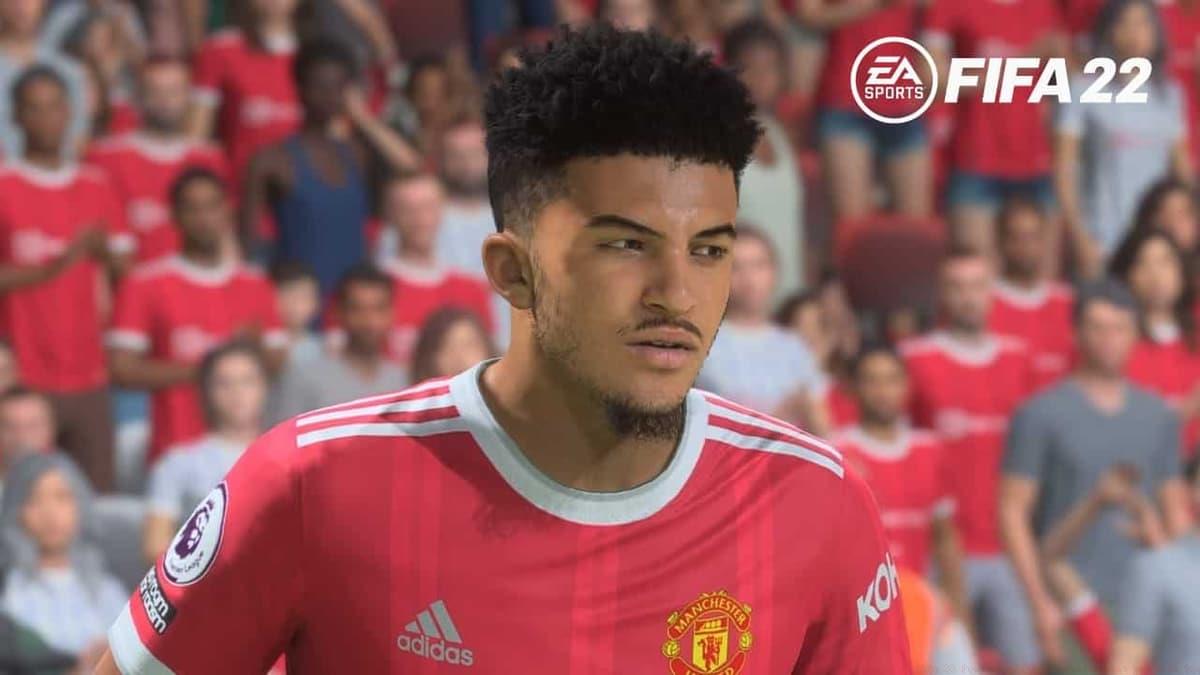
Growing community demand for free FIFA access reflects broader gaming industry trends. Criticism of FIFA’s current model is both widespread and justified. Multiple gaming publications downgraded their review scores for recent installations, specifically citing the overwhelming emphasis on microtransactions through Ultimate Team packs, promotional events, and diminished item values. GamesRadar+ highlighted how subtle Ultimate Team adjustments amplify annual pay-to-win criticisms, while IGN noted the persistent shadow cast by microtransactions – both awarding 70/100 MetaCritic scores that reflect consumer frustration with the current monetization approach.
The Ultimate Team marketplace exhibits extreme volatility, creating two distinct tiers: highly-rated cards with minimal value (evident in ICON price collapses) and elite cards that remain nearly unobtainable for average players. Previous FIFA editions maintained healthier mid-range card valuations, allowing players to accumulate sufficient FUT coins through strategic trading to acquire top-tier talent. The current polarization forces EA to continuously produce Squad Building Challenges and Objectives content to sustain engagement, while simultaneously pushing players toward FIFA Point purchases or excessive gameplay grinding. Despite community advocates proposing market correction mechanisms like stimulus packages, no substantive changes have emerged to address these economic imbalances.
Monetization Nightmare: The True Cost of ‘Free’ FIFA
Understanding player desire for free access requires acknowledging current spending patterns. Many Ultimate Team participants already invest more in microtransactions than their initial game purchase, with the mode generating approximately $1.6 billion in supplemental content revenue during 2021 according to Statista analysis. EA’s February 2022 confirmation that FIFA 22 achieved record success with 10% increased sports title bookings and double-digit unit sales growth demonstrates the franchise’s financial health under the existing model. Despite this prosperity, community surveys reveal strong support for alternative ownership models, including potential acquisitions by 2K or Microsoft during the FIFA naming rights dispute, indicating widespread dissatisfaction with current monetization practices.
 EA SPORTS
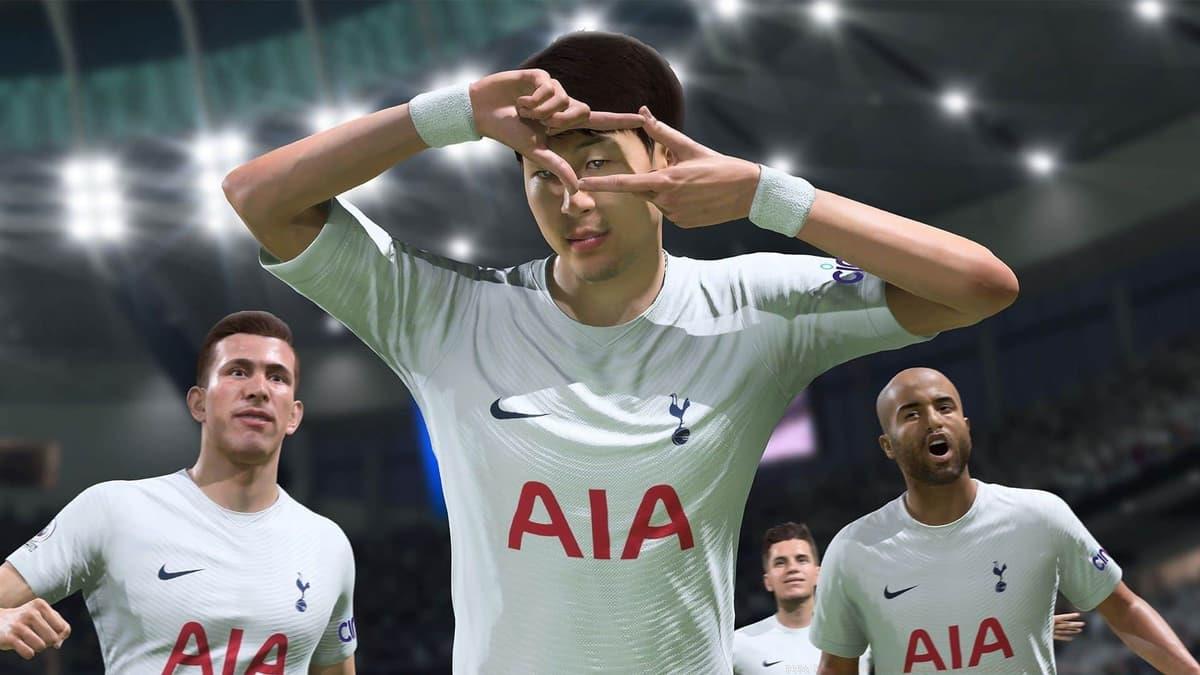
October 2022 release timing fuels speculation about free-to-play implementation. Opposition to popular ideas often carries risk, but legitimate concerns exist regarding free-to-play adoption. The most alarming scenario involves intensifying current monetization strategies to compensate for lost upfront revenue from game sales. Without millions in launch revenue, EA would inevitably amplify existing monetization mechanics, creating potentially predatory systems that could undermine gameplay integrity.
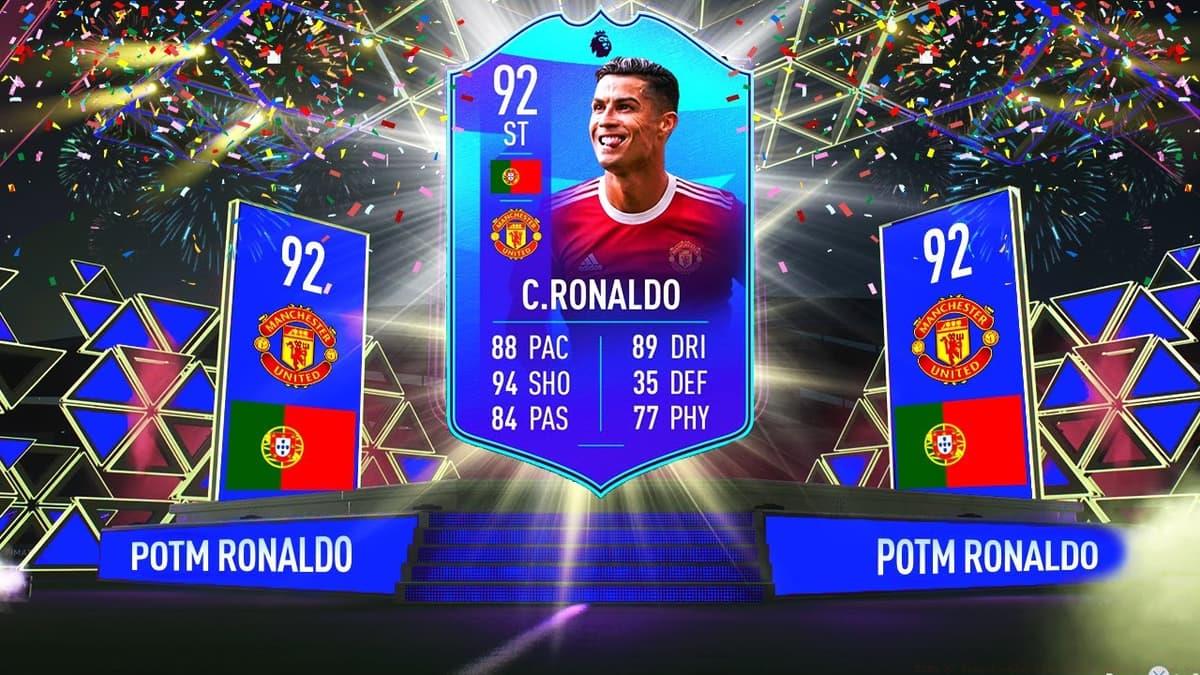
A free model would likely accelerate FUT promotional frequency – the very mechanism currently diluting Ultimate Team item quality – while reducing both the quantity and caliber of free content. The Cristiano Ronaldo Player of the Month challenge exemplifies this dynamic, requiring 26 separate squads (over 280 players) for a supposedly “free” reward. This design intentionally creates the illusion of accessibility while demanding substantial FUT coin investment, typically acquired through pack openings and FIFA Point purchases. Early-game availability of premium cards like Ronaldo’s POTM version is deliberately restricted to maintain market balance and revenue streams.
 EA SPORTS
Ronaldo’s POTM card demonstrated the illusion of ‘free’ high-end content. This case study reveals how untradeable card value already teeters on collapse, with challenges engineered to foster grinding behavior that drives additional purchases for competitive progression. A free-to-play environment would undoubtedly amplify these mechanics, making elite cards virtually inaccessible without financial investment or exceptional pack luck from Rivals, Draft, or Squad Battles rewards. The existing content treadmill has cultivated relentless demand for new items, potentially compromising long-term game health through calendar-crammed interchangeable promotions that overshadow distinctive events like Team of the Year and Team of the Season. Notably, traditional tournament celebrations like World Cup and EUROs have disappeared from recent installations – and this erosion occurs despite millions in game sales revenue. A free system would unquestionably accelerate monetization levers to maximize player spending.
EA FC 26 devs want to respect your time and money more than past games
EA FC 26 dev responds to claims of “less” FUT promos
EA FC 26 revealed – Here’s everything you need to know
Seasonal Updates vs Annual Releases: Structural Implications
 EA SPORTS
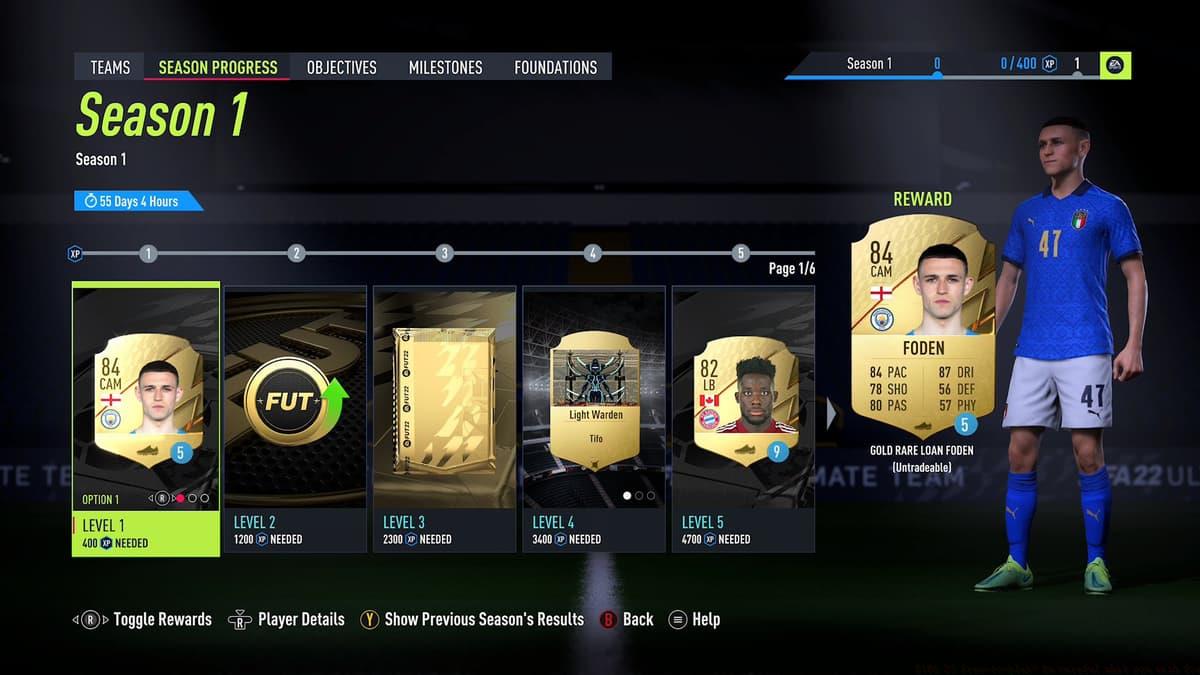
Current seasonal reward systems fail to match competitor engagement strategies. Beyond financial concerns, the structural implications of perpetual FIFA updates warrant examination. The existing seasonal Ultimate Team content – including complimentary packs and Objectives cards – pales in comparison to competitor offerings, primarily appealing to tifo enthusiasts rather than the broader player base. Successful free-to-play titles like Warzone implement comprehensive seasonal updates featuring distinctive cosmetics and gameplay adjustments, whereas FIFA’s gameplay mechanics frequently generate controversy. Even professional competitors privately acknowledge dissatisfaction with core gameplay elements during interviews, highlighting fundamental issues that would complicate continuous update models.
Warzone maintains player retention despite technical issues because its foundational shooting mechanics provide consistent, satisfying experiences. This stability enables successful minor adjustments through nerfs and buffs within continuous update frameworks. However, few battle royale games sustain engagement beyond their initial seasons, with Apex Legends representing a rare exception of effective long-term free-to-play management.
 Respawn Entertainment
Apex Legends demonstrates EA’s capability for successful free-to-play execution. Free FIFA access could theoretically extend player engagement throughout traditionally slow periods via continuous updates. However, eliminating annual launch anticipation – where communities hope for revolutionary animation improvements, innovative game modes, and enhanced gameplay – would sacrifice a crucial motivational driver for the player base. The excitement surrounding new franchise iterations fundamentally sustains community enthusiasm during development cycles.
Strategic Alternatives: Better Paths Forward
Adopting free-to-play frameworks similar to Fortnite, Apex Legends, and Warzone would inevitably prioritize monetization in development decisions. The escalating demand for continuous content would further dilute Ultimate Team’s quality while eliminating the excitement of annual launches in favor of routine seasonal updates featuring new kits and stadiums. The FIFA franchise already faces criticism for repetitive annual releases, making additional formulaic content particularly damaging. Revenue distribution transparency remains another concern – free-to-play FIFA 23 might reduce funding for offline modes, accelerating their stagnation as development focus narrows exclusively on Ultimate Team. Many argue this specialization has already occurred, but free access would institutionalize the imbalance.
Strategic Recommendation: Rather than full free-to-play conversion, EA should consider hybrid models that offer limited free access to specific modes while maintaining premium pricing for complete experiences. This approach could include free Ultimate Team entry with paid campaign modes, or seasonal passes that provide structured content without predatory monetization. Community management improvements and transparent communication about development priorities would also address many player concerns without resorting to radical business model changes that could compromise franchise longevity.
The apparent short-term benefit of free access could initiate a dangerous progression toward more expensive and addictive FIFA experiences. Reduced offline mode investment combined with intensified Ultimate Team focus represents the probable outcome – a scenario virtually nobody desires but would become inevitable under free-to-play economics. Players advocating for this transition should carefully consider whether temporary savings justify permanent structural changes that might undermine the franchise they love.
No reproduction without permission:SeeYouSoon Game Club » FIFA 23 free-to-play? Be careful what you wish for Exploring the hidden costs and consequences of FIFA 23 transitioning to free-to-play gaming model