
Understanding FIFA 22 trading bans: Why legitimate players face penalties and how to protect your account
The Trading Ban Crisis Explained
FIFA 22’s Ultimate Team community faces unprecedented account restrictions as EA Sports’ enforcement systems target routine market activities. Players report receiving temporary and permanent bans alongside coin wipes for engaging in standard trading practices that have been acceptable in previous FIFA editions.
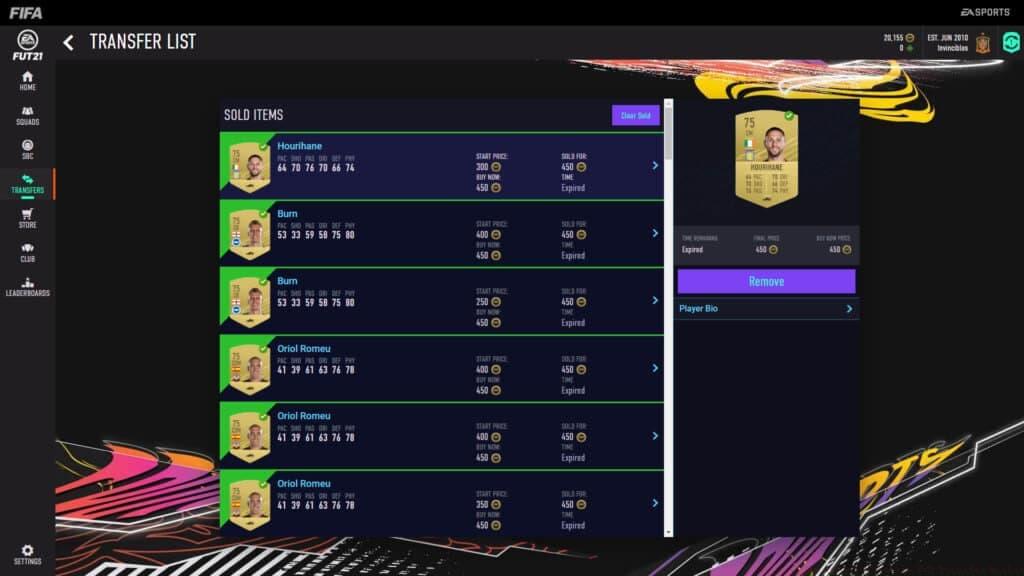
Recent enforcement actions have impacted FIFA Ultimate Team participants who conducted normal market operations, including selling cards at current market rates, flipping non-rare gold players, and liquidating valuable packed players.
EA Sports implemented widespread account penalties throughout October, initially targeting over 30,000 competitors who exploited a FUT Champions loophole that prevented match losses. However, the enforcement net expanded to include dedicated market traders operating within established game parameters. Numerous community members report receiving restrictions for common FUT economic strategies like trading non-rare player cards and selling items at prevailing market values. Many affected accounts experienced complete coin resets alongside temporary trading bans, creating significant frustration among the player base.
 EA SPORTS
FIFA 22’s automated systems have incorrectly flagged legitimate trading activities. Prominent content creator KingLangpard, who specializes in FIFA streaming content, emerged as an early voice highlighting this issue. He circulated another player’s experience of receiving a complete ban and coin wipe for conducting what appeared to be standard market operations. “EA previously emphasized that mastering trading mechanics and coin generation separates casual players from professionals,” he noted. “So why are established trading methods suddenly resulting in account restrictions?”
Understanding EA’s Automated Systems
EA’s fraud detection algorithms analyze transaction patterns to identify potential market manipulation, but recent updates appear to have created false positives that impact legitimate traders. The system monitors rapid buy/sell activities, price deviations from averages, and transaction frequency to flag suspicious behavior.
Common triggers include rapid flipping of meta players, large volume transactions of cheap cards, and selling newly acquired high-value players shortly after packing them. While designed to combat coin selling and bot activities, these parameters often catch dedicated traders who operate within market norms.
KingLangpard elaborated further on the situation: “I’ve witnessed numerous community members receiving restrictions or complete coin resets for selling meta cards at current market prices or transferring high-value packed players.” https://twitter.com/KingLangpard/status/1451078596236353539?s=20 Additional players confirmed experiencing similar unjustified penalties. Market specialist Ati, who provides trading education content, expressed frustration: “Are we really considering standard non-rare gold flipping strategies violations now? The detection system requires immediate recalibration. The current situation demonstrates complete disregard for legitimate market participants.”
Safe Trading Practices Guide
To minimize ban risks while maintaining profitable trading activities, implement these strategic approaches. Space out transactions throughout the day rather than conducting rapid-fire trading sessions, as clustered activity triggers detection algorithms more frequently.
When trading high-volume cards, avoid immediate relisting at significantly higher prices. Instead, use incremental price increases that align with natural market movements. For valuable packed players, consider incorporating them into your squad temporarily before selling to establish legitimate ownership patterns.
Monitor price ranges carefully and avoid listing cards more than 15-20% above current market averages, even during peak demand periods. The detection system flags extreme price deviations as potential manipulation, regardless of market conditions.
Diversify your trading portfolio across multiple player types and price ranges rather than focusing exclusively on meta cards or cheap golds. This distribution creates more natural trading patterns that resemble typical user behavior rather than specialized trading operations.
Community Impact and EA’s Response
The trading community expresses growing concern that legitimate market strategies now carry unacceptable account risks. Content creators who educate players on effective coin generation methods face particular challenges when their recommended approaches result in restrictions.
Electronic Arts has not released an official statement addressing these specific trading restriction concerns. However, the prevailing community perspective identifies this as a clear system error, with players requesting transparent explanations and resolution pathways. The absence of clear communication exacerbates frustration, as affected players lack guidance on avoiding future restrictions or appealing current penalties.
Many veteran traders report scaling back market activities until EA provides clarification, impacting market liquidity and card availability. This conservative approach particularly affects newer players who rely on affordable player cards that typically circulate through trading activities.
No reproduction without permission:SeeYouSoon Game Club » FIFA 22 traders left furious after EA wrongly wipes accounts in latest ban wave Understanding FIFA 22 trading bans: Why legitimate players face penalties and how to protect your account