
A critical analysis of FBC: Firebreak’s player count success despite mixed reviews, exploring subscription services’ impact on modern gaming metrics.
The Launch Reality: Mixed Reviews vs. Soaring Player Counts
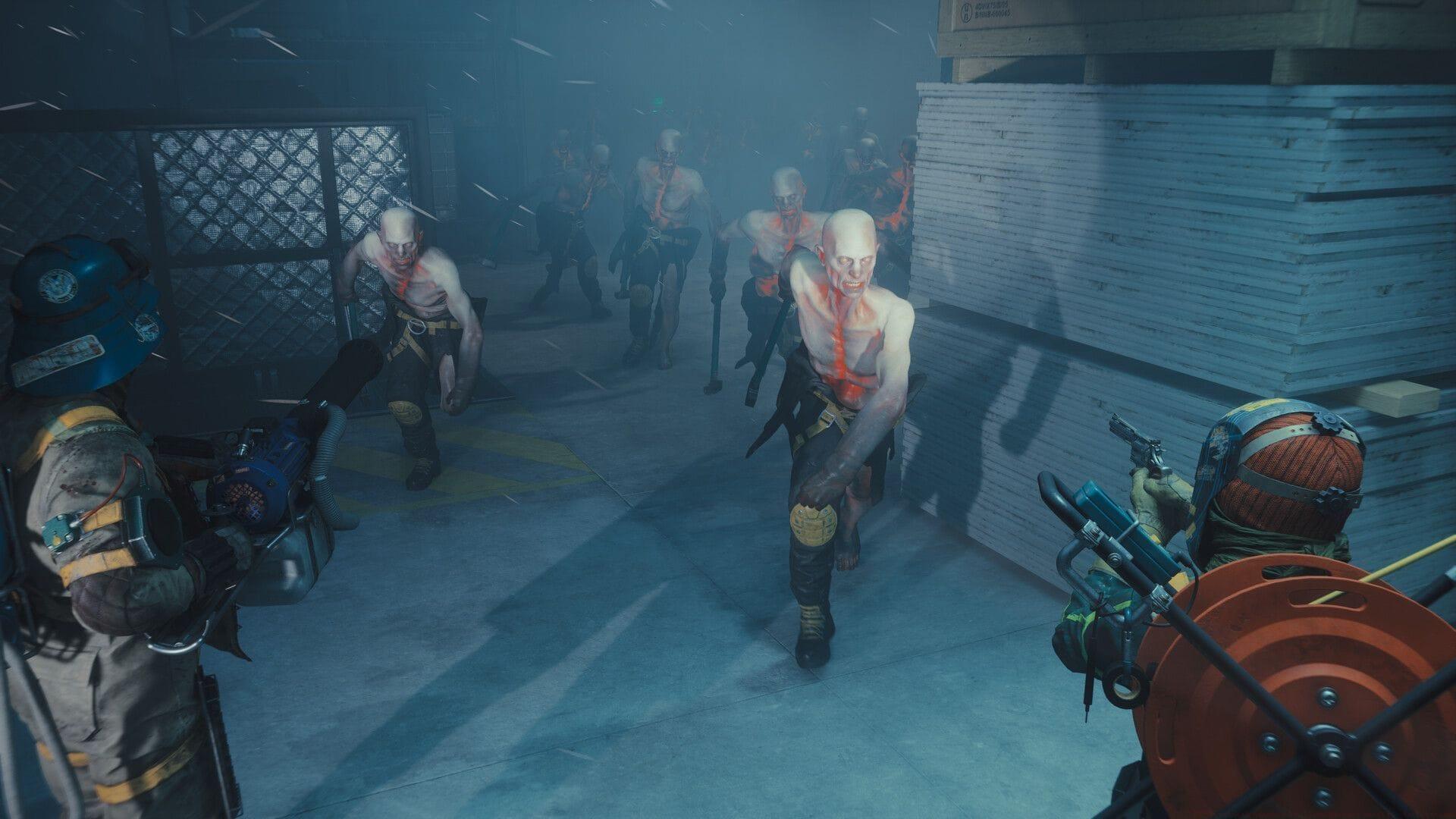
The launch of FBC: Firebreak presents a fascinating modern gaming paradox. Within its first fortnight, the title garnered a ‘Mixed’ aggregate rating on Steam, anchored by over a thousand reviews expressing significant reservations. Concurrently, developer Remedy Entertainment announced a milestone that seemed to contradict this sentiment: surpassing one million players globally. This dichotomy is less about game quality and more a testament to shifting models of game distribution and consumption. Curiosity, fueled by low-risk access through subscription libraries, can propel player numbers independently of critical consensus.
Looking for a different kind of puzzle? While we analyze gaming trends, you might also enjoy challenging your mind with the latest NYT Mini Crossword Answers, LA Times Crossword Answers, or Atlantic Crossword Answers.
Dissecting the Gameplay: Co-op Promise vs. Execution
At its core, FBC: Firebreak is engineered for three-player cooperative play, demanding synchronized teamwork and rapid tactical decisions. Each operative is assigned a distinct Crisis Kit—a curated loadout of weaponry, specialized gadgets, and support gear designed to foster complementary roles. While this premise holds potential for fresh dynamics, a common critique from both community and critics points to execution that feels hurried and susceptible to repetition loops. The central grievance in negative assessments hinges on perceived content scarcity relative to the base $40 price point, an issue magnified for those considering the premium Deluxe Edition.
Practical Tip: When assembling your three-player team, proactively assign roles based on Crisis Kit strengths (e.g., crowd control, single-target damage, support) before a mission begins. This prevents overlap and ensures coverage for various encounter types.
Common Mistake to Avoid: Many teams fail because all players independently prioritize combat. Designate one player to focus on environmental objectives and resource gathering during firefights. This split focus is often the difference between success and running out of time or supplies.
The Subscription Service Factor: Xbox Game Pass & PS Plus
The mystery of how a critically middling game reached seven-figure engagement so swiftly has a straightforward answer: the pervasive reach of monthly subscription services. The pivotal detail is that developers highlighted crossing a million players worldwide, not selling a million copies. This achievement was primarily fueled by the game’s day-one inclusion in both Xbox Game Pass and the PlayStation Plus Game Catalog.
These platforms have transformed player economics, offering vast libraries of titles—including major releases—for a recurring fee instead of individual full purchases. This dramatically lowers the barrier to entry. Coupled with cross-platform gameplay support, which expands the potential matchmaking pool, the recipe for rapid user acquisition is clear. Therefore, FBC: Firebreak’s player count is less a surprise and more a direct result of contemporary distribution strategies.
Optimization Tip for Advanced Players: Leverage the low-risk nature of Game Pass/PS Plus to experiment with unusual Crisis Kit loadouts or team compositions you wouldn’t try if you had purchased the game outright. Use this as a sandbox to discover potentially powerful, non-meta strategies that can give your squad an edge.
Strategic Insights for Players
The FBC: Firebreak case study offers clear takeaways for the discerning player. Firstly, a high player count no longer directly correlates with universal acclaim or even strong sales; it often signals prominent placement on a subscription service. Secondly, when approaching a co-op title with reported repetitive elements, plan session variety—rotate game modes, maps, or primary objectives to maintain engagement. Finally, thoroughly explore your Crisis Kit’s synergy with your teammates’ kits; mastery of interaction often yields more satisfaction and power than individual weapon skill.
Read more in-depth guides here:
- All Kits in FBC: Firebreak and which one you should choose
- FBC Firebreak RTX 5080 GPU benchmarks and performance review
- All Jobs in FBC: Firebreak explained
In the era of Game Pass and PS Plus, player metrics tell a new story. They reflect accessibility and curiosity as much as, if not more than, unqualified success. For developers, it’s a new avenue for exposure. For players, it’s an invitation to try more, but with a critical eye firmly open.
No reproduction without permission:SeeYouSoon Game Club » FBC Firebreak reaches 1 million players despite bad reviews A critical analysis of FBC: Firebreak's player count success despite mixed reviews, exploring subscription services' impact on modern gaming metrics.