
UFL’s complete guide: Release details, gameplay analysis, and how this free-to-play challenger aims to revolutionize football gaming
Introduction: A New Challenger Enters the Arena
For decades, the football gaming landscape has been dominated by two giants: EA’s FIFA series (now transitioning to EA Sports FC) and Konami’s Pro Evolution Soccer (rebranded as eFootball). While these titans have traded blows year after year, a genuine third contender hasn’t emerged since cult classics like Red Card and This is Football faded from prominence.
Enter UFL—a mysterious, free-to-play football simulator developed by Strikerz that promises to disrupt the established order. This comprehensive guide breaks down everything confirmed about UFL, from its release strategy to gameplay innovations and licensing challenges.
Football gaming enthusiasts have grown increasingly vocal about franchise fatigue. Many feel trapped between FIFA’s licensing monopoly and eFootball’s rocky transition to a free-to-play model. UFL arrives at a pivotal moment, positioning itself as a player-first alternative that prioritizes fair competition over annual monetization cycles. The developers have explicitly stated their mission: to create “a fresh experience in the football gaming space” that’s both accessible and satisfying for dedicated players.
This article will address the most pressing questions:
Release Timeline: When Can We Play UFL?
Strikerz has committed to a 2022 release window for UFL, though specific dates remain unconfirmed.
First unveiled at Gamescom 2021, UFL generated immediate buzz with its promise of free-to-play football without predatory monetization. The development team has maintained a “when it’s ready” philosophy, prioritizing polish over rushed deadlines. Current indicators suggest the team is working intensively toward a late-2022 launch, but players should prepare for possible delays if quality standards aren’t met.
Practical Tip: Follow @UFLgame on Twitter for official updates. The developers frequently share development insights and respond to community questions, providing the most reliable timeline information.
Common Mistake to Avoid: Don’t trust unofficial “leaked” release dates. Several gaming rumor sites have circulated false dates, causing unnecessary disappointment. Only Strikerz’s official channels provide verified information.
Gameplay Deep Dive: How UFL Plays Differently
The January 27 gameplay reveal provided our first substantial look at UFL’s mechanics. While brief, the footage revealed a sophisticated hybrid system that borrows from the best of existing football games while introducing novel elements.
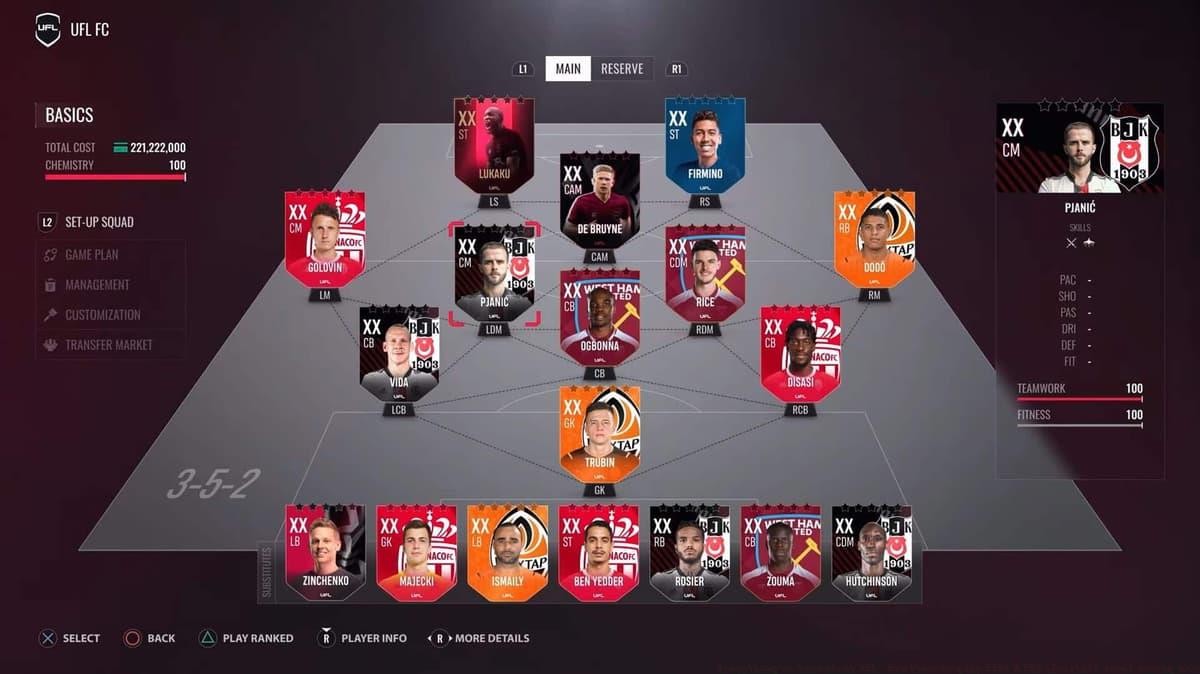
At its core, UFL’s club management mirrors FIFA Ultimate Team’s addictive formula. You’ll create a custom club, acquire players using in-game currency, and experiment with formations and tactical setups. However, Strikerz has integrated career mode elements like individual player development, allowing you to nurture prospects into stars rather than constantly chasing expensive transfers.
 UFL
UFLTeam creation blends Ultimate Team’s immediacy with career mode’s progression systems—a promising fusion that could satisfy both casual collectors and long-term strategists.
Where UFL truly innovates is in its competitive structure. The developers have emphasized a “global online league with division-based ranking and fair matchmaking.” This suggests sophisticated skill-based matchmaking that should prevent the lopsided matches common in other football games. The “grind” of ranking up is specifically designed to feel rewarding rather than frustrating.
Optimization Tip for Advanced Players: Pay close attention to player chemistry systems during team building. While details are scarce, UFL’s emphasis on fair play suggests chemistry will be more transparent and less exploitable than in some competitors.
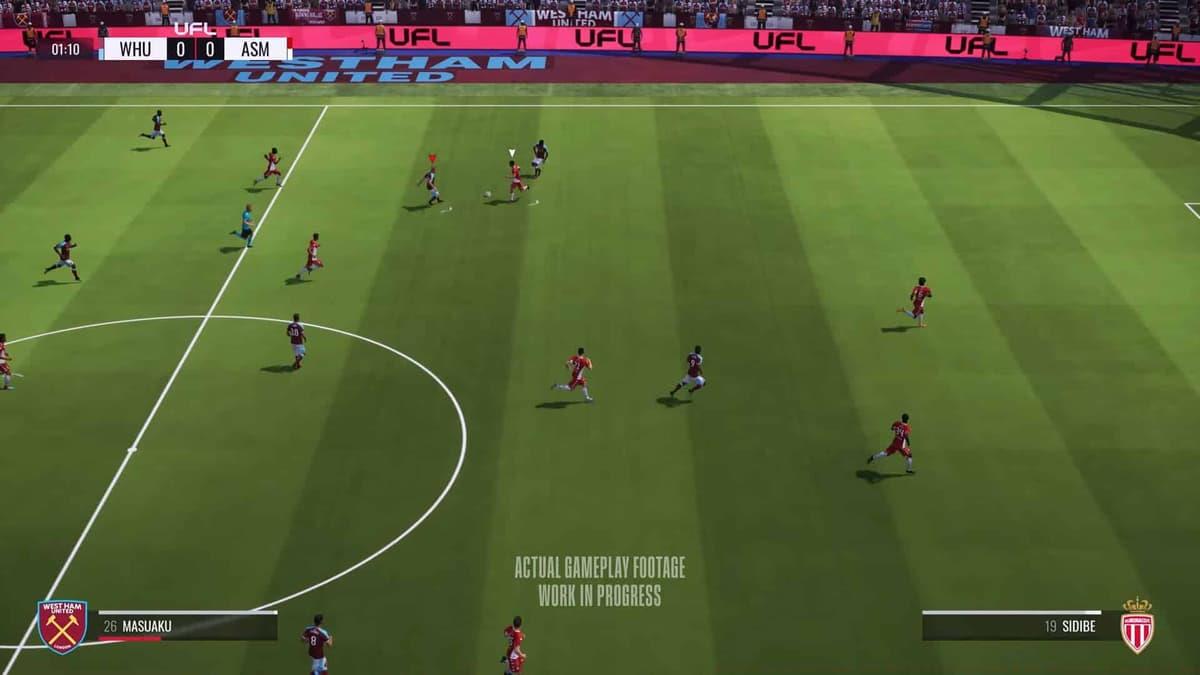
Game modes extend beyond standard competitive play. UFL promises robust co-op options and offline experiences, though specifics remain under wraps. The limited gameplay footage shows familiar presentation—score in the top left, player indicators with stamina bars in the corners—but the engine appears remarkably smooth during shooting and tackling animations.
 UFL
UFLVisual presentation aligns with modern expectations, but the real test will be in gameplay responsiveness and tactical depth.
Strategic Consideration: Unlike FIFA’s often chaotic matchmaking, UFL’s promised ranking system could create more consistent competitive experiences. Prepare to develop adaptable tactics rather than relying on meta exploits.
The No-Sequel Promise: UFL’s Live Service Model
In a bold departure from industry norms, Strikerz has committed to never releasing a UFL sequel. Instead, the game will operate as a persistent live service updated continuously.
This “seamless and persistent gameplay” model means your club, players, and progress carry forward indefinitely. No annual squad resets. No repurchasing the same game with minor updates. Seasonal rewards and trophies become permanent additions to your club’s legacy.
Practical Implication: Your time investment actually accumulates value. In traditional annual sports games, hundreds of hours of effort vanish each September. With UFL, that progression builds a lasting football legacy.
Monetization Insight: Without annual $70 releases, UFL will likely monetize through cosmetic items, season passes, or optional convenience features. The developers’ emphasis on “fair-to-play” suggests pay-to-win mechanics will be minimized or eliminated entirely.
Platform Availability: Where You Can Play UFL
UFL launches exclusively on console platforms: PlayStation 4, PlayStation 5, Xbox One, and Xbox Series X|S.
This strategic decision focuses development resources on platforms where football games traditionally thrive. PC and Nintendo Switch players will need to wait, though Strikerz has indicated potential expansions to these platforms contingent on the game’s success.
We have received a great deal of positive feedback on our cinematic teaser, thanks so much to all of you!
With regards to the platforms, we're primarily focused on bringing UFL to @PlayStation and @Xbox but PC is also a platform that we're closely considering 👌
Stay tuned🔥 pic.twitter.com/KYlWjLQHWv— UFL (@UFLgame) August 26, 2021
Cross-Platform Consideration: While not confirmed, UFL’s online-focused design strongly suggests cross-play between PlayStation and Xbox ecosystems. This would significantly benefit matchmaking times and community longevity.
Platform Optimization Tip: Next-gen console owners should expect enhanced visual features and faster loading times. The game’s development appears optimized for PS5 and Xbox Series X|S hardware capabilities.
Licensing Landscape: What UFL Can and Can’t Include
Licensing represents UFL’s most significant challenge. EA Sports and eFootball hold exclusive agreements with most major leagues worldwide, creating substantial barriers for newcomers.
UFL secures player likenesses through FIFPro, the global footballers’ union representing over 65,000 professionals. This partnership ensures real player names, appearances, and basic attributes—the same source EA Sports utilizes for its non-league-licensed players.
Club partnerships provide some authentic team representation. Confirmed partners include:
• West Ham United (Premier League)
• AS Monaco (Ligue 1)
• Beşiktaş (Süper Lig)
• Borussia Mönchengladbach (Bundesliga)
• Shakhtar Donetsk (Ukrainian Premier League)
• Sporting CP (Primeira Liga)
• Celtic & Rangers (Scottish Premiership)
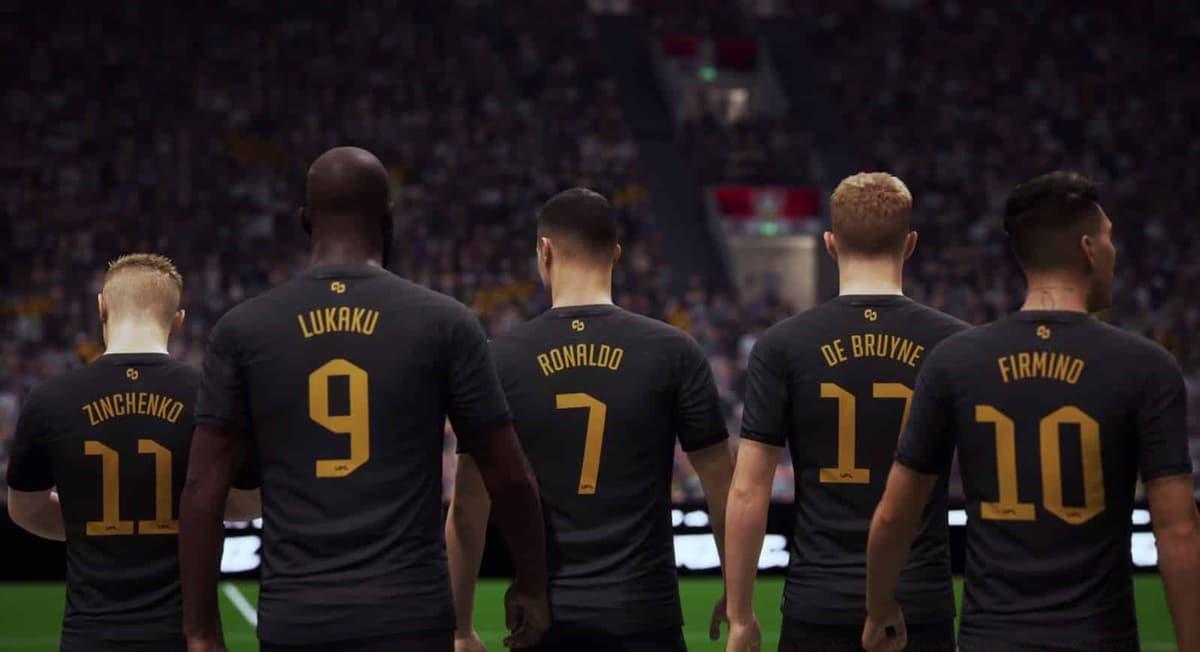
Notably absent are league-wide agreements. UFL will likely employ generic league names (“Spanish Division” instead of La Liga) similar to Pro Evolution Soccer’s historical approach. Ambassadors Cristiano Ronaldo and Kevin De Bruyne lend star power but don’t translate to full league licensing.
 UFL
UFLStar ambassadors boost visibility but don’t solve the fundamental licensing challenges facing new football games.
Licensing Reality Check: Don’t expect UFL to acquire major league licenses soon. Exclusive contracts with EA and Konami are typically long-term and expensive. UFL’s success will depend more on gameplay quality than authentic branding.
The football gaming market is expanding dramatically. With EA Sports FC, eFootball, UFL, and FIFA’s own planned title, players will soon have four distinct options—an unprecedented level of choice after years of duopoly.
UFL represents the most intriguing wildcard. Its free-to-play model, no-sequel promise, and focus on fair competition address common player grievances. While significant questions remain unanswered, the developers have articulated a compelling vision that could reshape expectations for football games.
We’ll continue updating this guide as new information emerges. For now, cautious optimism is warranted—UFL has the potential to become a legitimate third pillar in football gaming if execution matches ambition.
No reproduction without permission:SeeYouSoon Game Club » Everything we know about UFL: New free-to-play FIFA & PES eFootball rival coming soon UFL's complete guide: Release details, gameplay analysis, and how this free-to-play challenger aims to revolutionize football gaming