
An in-depth guide to Bungie’s next game franchise ‘Matter’ – gameplay details, esports ambitions, release window, and strategic insights
Introducing ‘Matter’: Bungie’s Return to Competitive Multiplayer Roots
Bungie is actively developing its next major gaming franchise, codenamed ‘Matter,’ which will operate alongside Destiny 2 rather than replace it. This strategic expansion represents the studio’s return to competitive multiplayer foundations while maintaining its successful live service model.
While Destiny 2 continues its development trajectory with upcoming expansions, Bungie has simultaneously initiated development on a completely new intellectual property. This next franchise appears to reconnect the studio with its competitive first-person shooter heritage while exploring fresh creative directions. From leaked trademark filings to detailed job listings, here’s our comprehensive analysis of what this project entails.With the Destiny ecosystem now approaching a decade of operation, industry observers have naturally questioned Bungie’s next strategic move. The development studio has publicly confirmed its commitment to Destiny’s ongoing evolution, but parallel development pipelines allow for new franchise incubation without resource conflicts.During Destiny 2’s Witch Queen expansion development cycle, Bungie established a dedicated team structure specifically for this new project. This separation ensures specialized focus while preventing creative overlap between established and emerging franchises.Examining these recruitment patterns and trademark filings provides substantial insight into Bungie’s strategic direction. Our analysis synthesizes these data points into a coherent projection of the studio’s next major release.
 Bungie
Strategic analysis suggests Bungie is developing a competitive multiplayer framework distinct from its existing franchises. Following the announcement of a strategic $100 million development partnership with Chinese gaming giant NetEase, trademark registrations for ‘Matter’ emerged in multiple jurisdictions. While potentially serving as an internal development codename, contextual evidence strongly indicates this represents Bungie’s next franchise initiative. Positioning descriptions within recruitment materials characterize the project as a “character-driven multiplayer experience” drawing inspiration from successful titles like Overwatch and Valorant. The design philosophy emphasizes “structured team dynamics and memorable cooperative moments” as core gameplay pillars. Additionally, Bungie has prioritized recruitment for developers possessing expertise in “live operations frameworks, games-as-a-service models, massively multiplayer online systems, free-to-play economies, and mobile platform adaptation.” Although still in early development phases, the studio’s infrastructure investments clearly target another evolving live service title with long-term content planning. Crucially, aesthetic and tonal differentiation represents a strategic departure. Multiple position descriptions emphasize a “vibrant, comedic visual language” fundamentally distinct from Destiny’s epic sci-fi seriousness or Halo’s military aesthetic. This suggests Bungie intentionally avoids franchise cannibalization through clear stylistic separation.
Practical Insight: For developers monitoring industry trends, Bungie’s hiring patterns reveal critical market signals. The emphasis on mobile adaptation experience suggests cross-platform availability from launch, while live operations recruitment indicates planned seasonal content structures similar to Destiny’s successful model. Competitive players should note the character-based design approach, which typically enables deeper strategic specialization than classless shooter frameworks.
Esports Ambitions: Building a Competitive Ecosystem from Day One
 Twitter: HCS
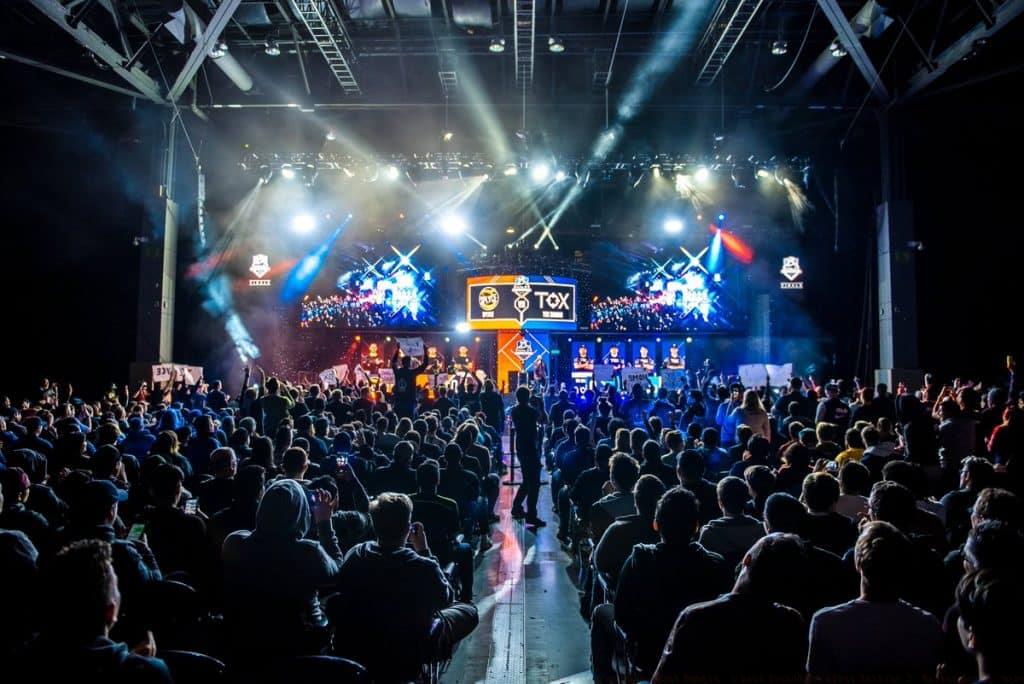
Competitive infrastructure development represents a core pillar of Bungie’s next project, building upon industry esports evolution. Bungie’s emerging project demonstrates methodically planned competitive aspirations within the esports domain. Leveraging developer experience from competitive first-person shooter ecosystems, the studio appears strategically positioned to re-enter this market segment with refined infrastructure. Specific recruitment language references intentions to “establish competitive ecosystems within esports and gaming landscapes.” Furthermore, the development team actively seeks designers with “advanced competitive map design methodology” expertise.
Common Development Mistake Avoidance: Many studios attempt to retrofit competitive features post-launch, resulting in unbalanced ecosystems. Bungie’s upfront investment in esports-specific hiring suggests they’re avoiding this pitfall by architecting competitive integrity from initial design phases. This approach typically yields more balanced gameplay and sustainable tournament structures.
While specific implementation details remain confidential, Bungie’s development priorities clearly incorporate competitive gaming considerations throughout the production lifecycle. This foundational integration typically produces more robust competitive ecosystems than post-launch adaptations.
Optimization Strategy: Aspiring competitive players should monitor Bungie’s beta testing phases closely. Early technical tests often reveal core gameplay mechanics that define competitive meta. Additionally, studying the studio’s Destiny 2 competitive balance approach provides valuable insight into their design philosophy for skill-based gameplay systems.
Release Timeline and Strategic Positioning
 Bungie
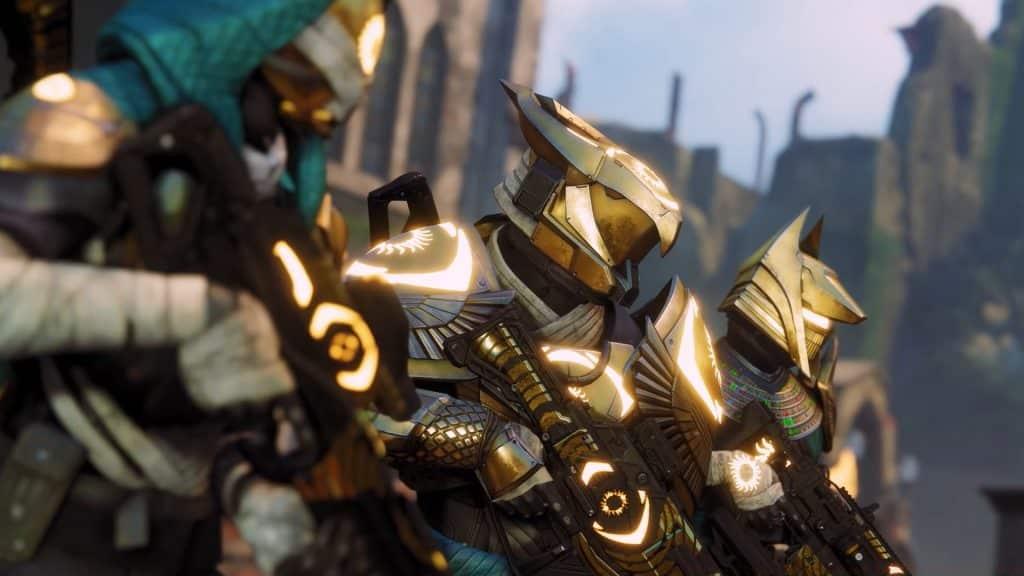
Strategic franchise management ensures Destiny 2’s continued development alongside new intellectual property incubation. No officially confirmed launch timeline exists for Bungie’s emerging franchise, reflecting its current early development status. However, internal studio communications reference aspirational targets. Development documentation indicates Bungie aims to “achieve market readiness” approximately by 2025.
Development Timeline Reality Check: Triple-A game development typically requires 4-6 years from initial concept to market release. A 2025 target suggests the project entered pre-production around 2021-2022, aligning with trademark filings and hiring patterns. Players should anticipate possible timeline adjustments, as game development frequently encounters scheduling revisions.
While public information may remain limited for several development quarters, Bungie’s established communication patterns suggest incremental reveals will precede launch. Industry observers should monitor gaming conventions and developer communications for emerging details.
Strategic Preparation: Players interested in competitive ecosystems should begin developing fundamental skills in character-based shooters during the interim period. Mastering games with similar design philosophies (Overwatch, Valorant, Apex Legends) creates transferable skills that typically accelerate adaptation to new competitive environments.
Strategic Insights and Future Outlook
Bungie’s franchise expansion strategy demonstrates sophisticated portfolio management, with ‘Matter’ representing both competitive market re-entry and stylistic diversification. The studio’s approach balances resource allocation between established revenue streams and emerging market opportunities.
Industry Trend Alignment: The emphasis on character-based design aligns with successful live service models that enable continuous content expansion through new character introductions. This approach typically supports longer product lifecycles than static roster games, as evidenced by Overwatch’s multi-year evolution and Apex Legends’ seasonal character releases.
Investment Implications: The NetEase partnership provides not just capital but potentially crucial Asian market access and mobile development expertise. This suggests Bungie is strategically positioning for global free-to-play distribution, contrasting with Destiny’s premium expansion model. Market observers should monitor whether this indicates broader business model evolution for the studio.
Development Team Composition Analysis: Bungie’s targeted hiring for specific expertise areas (mobile adaptation, live operations, competitive design) reveals a methodical competency-building approach rather than generic expansion. This specialization typically yields more polished final products than generalized team structures.
Destiny 2 2025 Roadmap explained: The Edge of Fate, Ash & Iron, Renegades, more
All Destiny 2 expansions in order of release
Leakers claim Destiny 3 and “Classic” Destiny 2 in development
No reproduction without permission:SeeYouSoon Game Club » Everything we know about Bungie’s next franchise after Destiny 2: Matter leaks, more An in-depth guide to Bungie's next game franchise 'Matter' - gameplay details, esports ambitions, release window, and strategic insights