
TL;DR
- 23savage confirmed rejecting OG offer after TI10, prioritizing SEA team loyalty
- European players demonstrate superior creativity and confidence compared to SEA’s rigid mindset
- Talon’s new coach AWF brings European strategic perspective and mental resilience
- SEA teams struggle with draft confidence and recovery from early game losses
- Player emphasizes need for mental coaching and cross-regional experience exchange
Games and Esports Articles Dota 2
In an exclusive post-match discussion following day one of The International 2022 group stages, Talon Esports’ star carry player Nuengnara “23savage” Teeramahanon provided candid insights into his team’s initial tournament performance. The Thai professional gamer analyzed both tactical execution and psychological factors affecting their early results.
The interview occurred immediately after Talon’s opening four matches, where the squad secured only a single victory against three defeats. This outcome fell short of their pre-tournament target of achieving at minimum a 2-2 record. Despite the disappointing start, 23savage maintained optimism about their potential for day two improvements.
— Well, you’ve just finished your first day at TI. How do you assess your team’s initial showing?
— Our opening performance certainly didn’t meet expectations, particularly considering our preparatory scrimmage results. We anticipated securing at least two victories but couldn’t convert opportunities into results. The single win provides momentum we can build upon for tomorrow’s crucial matches.
— What specific gameplay issues did you identify that require immediate attention?
— We displayed excessive caution throughout our matches, lacking the decisive map movements that characterized our practice sessions. There’s a noticeable gap between our scrimmage effectiveness and main stage execution currently.
— Do you attribute these performance gaps primarily to first-day tournament nerves?
— Definitely, first-day pressure significantly impacted our play. Several teammates are experiencing their inaugural International tournament, and the heightened stakes inevitably affect decision-making and execution under pressure.
— As a second-time TI participant, does this event hold particular significance for you?
— The excitement level is tremendous with TI hosted in Southeast Asia, just two hours from my native Thailand. Competing before home-region supporters in Singapore creates both motivation and additional performance expectations.
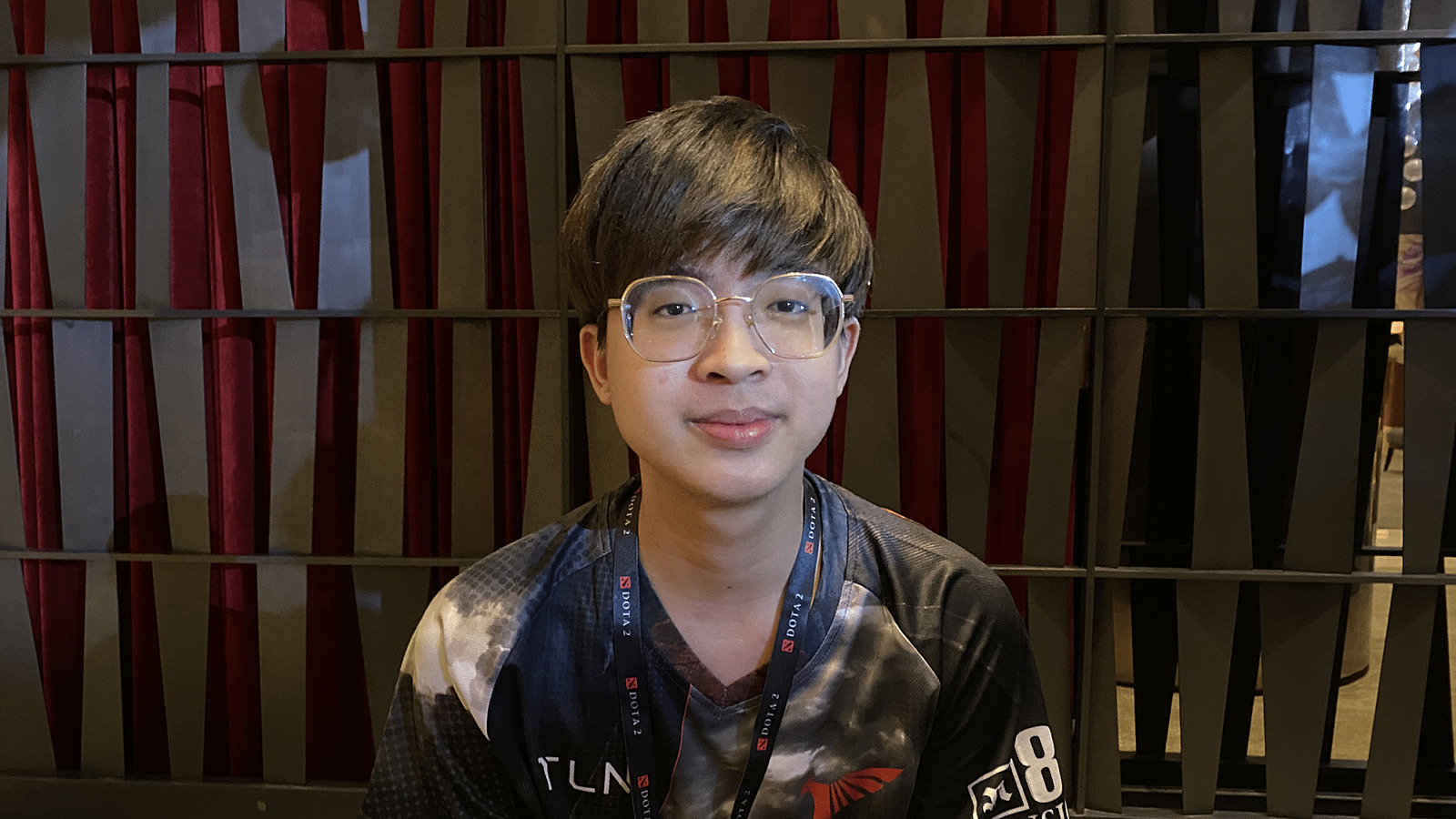
— Post-TI10 circulating rumors suggested imminent transition to European organizations, specifically OG. What substance existed behind these speculations?
— European offers materialized, with OG presenting a concrete opportunity. However, I believed our TI10 roster possessed untapped potential for subsequent season development. That faith unfortunately didn’t translate into expected results, representing in hindsight a questionable career decision.
— Does competing in alternative regions remain an objective for your professional development?
— Transitioning to European competition represents my primary career ambition. Since my competitive inception, I’ve recognized their distinctive strategic approaches and gameplay philosophies that differ fundamentally from Southeast Asian methodologies.
— Which European players or captains would you prioritize as ideal collaborative partners?
— Clement “Puppey” Ivanov, Mikhail “Misha” Agatov demonstrate exceptional leadership capabilities that could accelerate my skill development. Should Sébastien “Ceb” Debs resume active play, I’d enthusiastically welcome that partnership opportunity.
This International showcases numerous promising European squads including Gaimin Gladiators and Entity Gaming. These organizations exhibit impressive strategic depth and mechanical proficiency, though my familiarity remains limited primarily to established figures like Puppey, Misha, and Kuro “KuroKy” Salehi Takhasomi.
“You need to be a degenerate to win this game, I’m sorry”. Puppey’s sincere talk on what it takes to be good at Dota 2, and being the only player attending every TI
The Captain’s Speech.
— You referenced multiple offers received. Beyond OG, which organizations extended formal invitations?
— European interest concentrated exclusively on OG. Additional proposals originated from Southeast Asian franchises, making OG the sole major Western organization pursuing my acquisition.
— Following third-place DPC season finish with T1, exclusion from regional finals occurred unexpectedly. What factors precipitated this roster decision?
— Carlo “Kuku” Palad exercised captain’s prerogative regarding my removal. While respecting his leadership authority, the strategic outcome proved suboptimal for team performance.
— Did this unexpected departure generate professional disappointment?
— The timing created significant career complications, having recently finalized contractual commitments. Mid-season team transitions present substantial logistical challenges that impacted my competitive trajectory.
— What perspective formed regarding Anathan “ana” Pham replacing Kim “Gabbi” Villafuerte post-removal?
— Integrating a two-time TI champion like ana provides invaluable learning opportunities for developing players. Collaborating with established winners like Topias “Topson” Taavitsainen represents strategically sound roster construction, though regrettable for displaced teammates Karl and Gabbi.
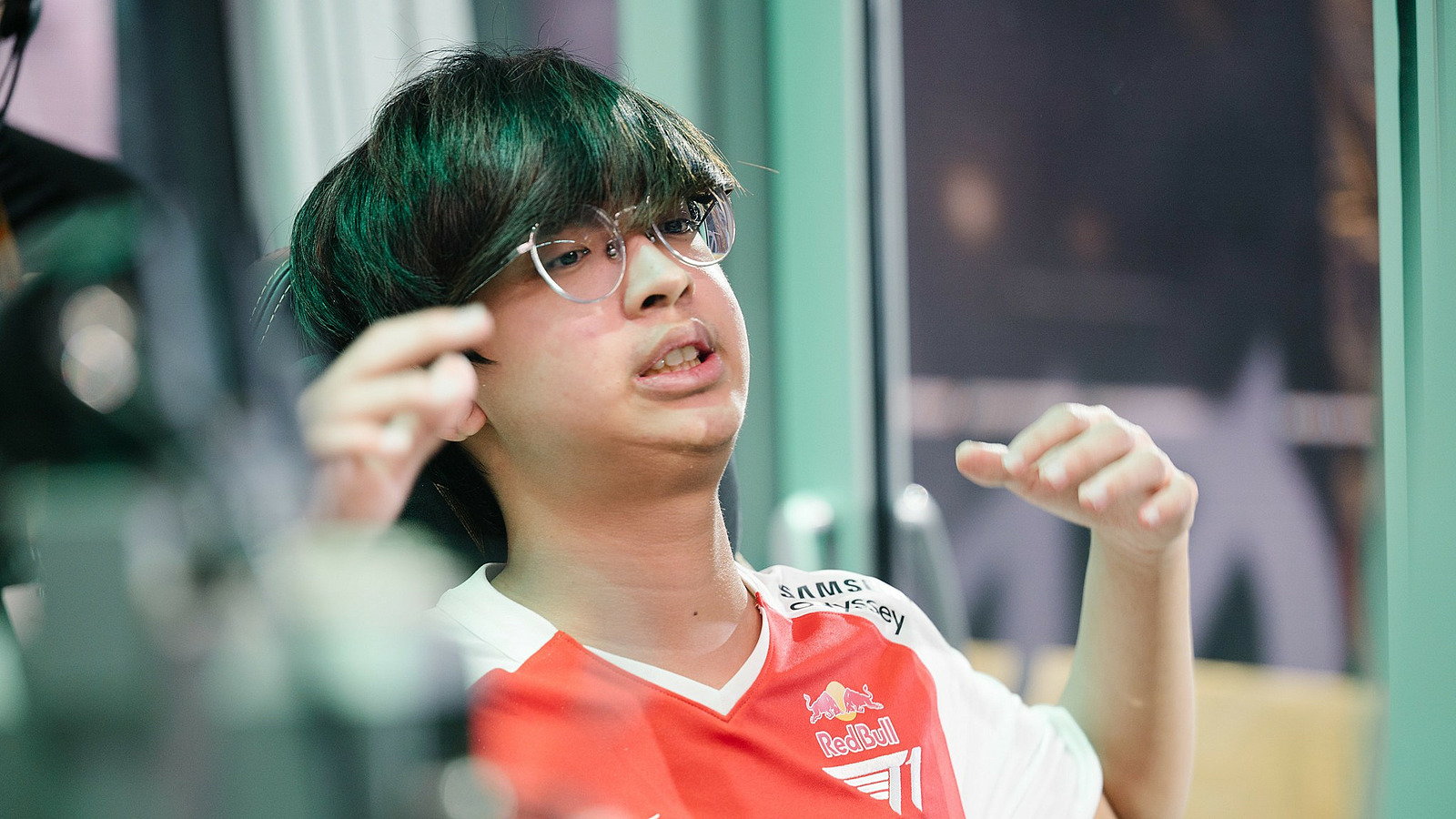
— Did T1’s subsequent TI qualification failure produce satisfaction or regret?
— Facing former teammates in high-stakes tournament matches would have provided compelling competitive narratives and personal validation opportunities.
— Does ana maintain elite competitive capabilities despite extended competitive absence?
— His fundamental skills remain championship-caliber when supported by appropriate team structures. The absence of foundational supports like Ceb and Johan “N0tail” Sundstein likely hampered his recent performance adaptations.
— What motivates Southeast Asian professionals’ persistent interest in European competition? Do you genuinely consider Europe the world’s premier Dota 2 region?
— European dominance stems from continuous talent infusion and intense competitive environments. During my previous European server exposure, public match quality provided substantial learning opportunities unavailable in SEA environments.
Even players ranked around position 500 demonstrate sophisticated gameplay understanding. Their specialized hero mastery, exemplified by level 30 Tinker specialists, illustrates unique strategic conceptualization and execution methodologies.
We visited the hotel where TI teams are staying. Here is the photo tour
Checking where the TI11 players live.
— How would you characterize European strategic cognition compared to SEA approaches?
— European professionals demonstrate superior creative problem-solving capabilities. Southeast Asian teams often operate within constrained strategic frameworks, struggling when encountering unfamiliar game situations. European adaptability and flexible problem-solving provide significant competitive advantages.
— Previously you identified drafting deficiencies as SEA’s primary competitive weakness. Does this assessment remain valid?
— Draft confidence represents the fundamental differentiator. European captains maintain conviction in their strategic concepts regardless of early setbacks, while SEA teams frequently experience confidence erosion following initial match losses.
— Would you attribute these performance gaps primarily to psychological factors?
— Mental resilience and competitive mindset create decisive performance differentials. Single game defeats often devastate SEA team morale, whereas European organizations typically demonstrate superior psychological recovery capabilities.
— Does your organization employ sports psychology professionals?
— We currently lack dedicated psychological support infrastructure.
— Would psychological coaching represent valuable team investment?
— Provided cost-effective accessibility, I would enthusiastically embrace professional psychological development resources.
Who likes anime the most? Who overslept and missed a match? Entity’s Tobi and Stormstormer play Team Bingo
— Did drafting deficiencies motivate Andrii “AWF” Bondarenko’s recruitment?
— AWF embodies European Dota’s strategic essence, enabling cross-regional knowledge transfer. His leadership capabilities and draft innovation immediately enhanced our strategic depth, though his physical arrival delays until tomorrow.
— What process facilitated his identification? Reports indicated Roman “Resolut1on” Fomynok recommended his candidacy.
— Initial contact originated through social media direct messaging, where AWF inquired about our coaching vacancy while working as tournament analyst. Recognizing our strategic direction needs, he proactively initiated communication regarding potential collaboration.
Following inconsistent competitive results, we initiated coaching search procedures. AWF’s availability and professional credentials made him the optimal candidate for our immediate requirements.
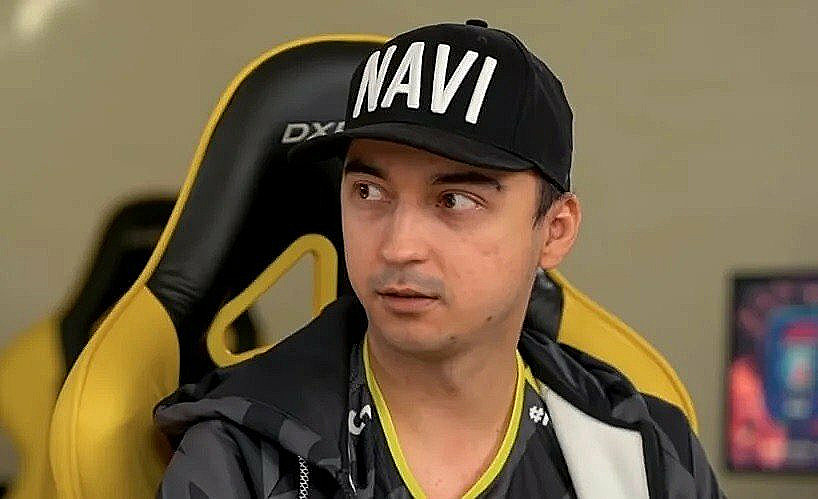
— Did you evaluate alternative coaching candidates during selection process?
— The compressed pre-TI timeframe restricted our evaluation to AWF exclusively. His professional background and immediate availability positioned him as the ideal strategic addition.
— Beyond drafting improvements, what additional contributions has AWF provided?
— His influence extends beyond strategic planning to confidence building and mental fortitude development. Consistently ensuring player comfort and competitive readiness demonstrates exceptional leadership qualities.
AWF on coaching Talon: “I was taking a shower 3 times a day. Picks are done — I’m taking a shower. Game over — I’m in a shower again, it was so hard to not fall asleep”
— With AWF yet to physically arrive in Singapore, how does his remote involvement affect current tournament performance?
— Post-match communication maintains strategic alignment, though draft phase restrictions prevent real-time input. We regard AWF as our definitive strategic leader whose presence elevates our confidence and competitive execution.
— Many professional carries criticize Southeast Asian public match quality, while you’ve achieved dominance in this environment. What guidance would you offer professionals struggling with SEA matchmaking conditions?
— European public matches emphasize coordinated team play, whereas SEA environments often devolve into individualistic engagements. Separating professional methodology from public match mentality presents persistent challenges that impact regional competitive development.
Arteezy on SEA pubs: “I have never seen a pos5 player in this region”
— Russian players encounter similar public match challenges with individualistic approaches dominating team coordination.
— During my Western European server experiences, language barriers frequently complicated communication, with Russian predominating match discussions.
— Does exceeding last year’s TI placement represent satisfactory outcome, or are you competing exclusively for championship victory?
— Simply qualifying for this International exceeded expectations following my T1 departure and subsequent lower division participation. After a challenging competitive year, my focus remains maximizing individual and team performance without outcome expectations.
— How would you characterize the strategic approach differences between European and Southeast Asian competitors?
— European squads consistently demonstrate more innovative tactical thinking. In our SEA region, we tend to operate within established frameworks and struggle when encountering scenarios we haven’t specifically prepared for. The European methodology involves thinking beyond conventional boundaries, enabling them to pivot strategies and adjust to evolving match conditions with remarkable fluidity.
This adaptability gap becomes particularly evident during high-pressure tournament situations where unexpected developments require immediate strategic recalibration. European teams excel at improvisation and creative problem-solving when standard playbooks prove insufficient.
— You’ve previously identified drafting as SEA’s primary weakness. Does this assessment still hold true?
— Absolutely. The core issue revolves around conviction in strategic concepts. European competitors maintain unwavering belief in their draft philosophies even when facing temporary setbacks. However, Southeast Asian players frequently experience complete confidence collapse following just one or two unsuccessful matches. This psychological vulnerability represents our most significant competitive handicap.
— Would you attribute this primarily to psychological factors?
— Yes, it’s fundamentally about competitive mentality and psychological resilience. After suffering a single defeat, SEA teams often become emotionally devastated, which severely impacts subsequent performance. Meanwhile, most European organizations demonstrate superior mental fortitude, maintaining composure regardless of match outcomes.
Professional teams should implement structured confidence-building exercises between matches, focusing on maintaining strategic conviction regardless of temporary results.
— Did drafting deficiencies motivate your decision to recruit AWF as your strategic coach?
— Precisely. Coach AWF embodies the strategic philosophy of European Dota, enabling knowledge transfer to our organization. We anticipated learning innovative approaches from his CIS region experience combined with European strategic methodology. His leadership qualities and innovative draft concepts represented exactly what we needed, though his physical arrival timing presented logistical challenges.
— How did your team initially connect with him? I understand Resolut1on recommended him to your organization.
— Initially, he reached out through social media direct messaging. AWF inquired about our coaching situation while working as an analyst, likely observing our strategic direction deficiencies. Initially we declined since we already had FoREv serving as coach at that time.
Following disappointing competitive results, we needed coaching changes and contacted AWF. The trial period yielded immediately positive results.
— Did you evaluate alternative coaching candidates?
— With approximately two weeks remaining before TI commitments, we focused exclusively on AWF. His availability and professional profile aligned perfectly with our requirements.
— Beyond draft improvements, what additional value has AWF contributed?
— His impact extends far beyond hero selection. He implemented confidence-building protocols that transformed our competitive mentality. Beyond strategic guidance, he provided continuous inspiration and motivational support, consistently ensuring optimal player comfort and performance readiness.
— Does your organization currently employ sports psychology professionals?
— We haven’t implemented formal psychological support systems yet.
— Would you consider implementing psychological training?
— If professional psychological services were available without financial burden, I would certainly participate (laughs).
Professional esports athletes can benefit tremendously from structured mental conditioning programs. These should include visualization techniques, pressure simulation training, and post-match decompression protocols.
Developing mental resilience requires consistent practice, similar to mechanical skill development. Teams should allocate specific training time for confidence-building exercises and strategic conviction development.
Action Checklist
- Analyze regional playstyle differences to identify skill development opportunities
- Develop mental resilience training routines to maintain confidence after early match losses
- Create cross-regional learning plan focusing on European strategic innovations
- Establish professional network with European captains and organizations for future collaboration
- Practice improvisational scenarios in scrims to develop out-of-box thinking
- Implement post-match analysis focusing on strategic concepts rather than outcomes
- Develop confidence anchors through successful strategy repetition
- Create pressure simulation exercises for draft confidence building
No reproduction without permission:SeeYouSoon Game Club » “EU players are confident in their ideas, while we quickly lose confidence”. 23savage on desire to play in EU, invite to OG, and his kick from T1Exclusive The Captain's Speech.